Staffordshire's highest rated dental practice - we guarantee the best quality dental care at great prices! Full range of dental care available - we can do everything under one roof!



A front tooth that sits slightly behind its neighbour can change how you feel in photos, meetings and everyday conversation. For some patients, porcelain veneers for crooked teeth offer a fast, natural-looking way to improve the appearance of a smile without months of orthodontic treatment. But veneers are not a shortcut for every type of crowding or misalignment.
The right choice depends on how crooked the teeth are, the health of your gums and bite, and whether you want to change more than alignment alone. A careful assessment makes the difference between a smile that simply looks straighter and one that also feels comfortable, functions properly and lasts.
A porcelain veneer is a finely crafted layer of ceramic that is bonded to the front surface of a tooth. Each veneer is designed around the individual tooth, allowing a dentist to refine its shape, shade, proportion and visible position.
For mild crookedness, small rotations or uneven front teeth, veneers can create the appearance of a more even smile. They can be particularly effective where teeth are slightly twisted, one tooth sits a little further back, or the edges have become worn and uneven over time. Because porcelain reflects light in a similar way to natural enamel, well-planned veneers can look bright and refined without looking artificial.
They can also address several cosmetic concerns at once. A patient with minor crowding, gaps, staining and chipped edges may prefer one treatment plan that improves all of these features together. This is where veneers can be a strong option: they are not just about making teeth appear straighter, but about creating better balance across the smile.
Veneers are usually best suited to teeth that are healthy, stable and only mildly out of position. The goal is to enhance what is already there, rather than force a cosmetic restoration to disguise a significant orthodontic problem.
A good candidate may have one or two front teeth that are slightly rotated, a tooth that appears shorter or narrower than the others, or small gaps that make the smile look uneven. It can also suit patients whose teeth have shifted after previous braces and who do not want another full course of orthodontic treatment.
Your bite matters just as much as the visible result. If the upper and lower teeth meet heavily on the front teeth, or if you clench and grind, veneers may be at greater risk of chipping or loosening without the right planning and protection. In some cases, a discreet night guard is recommended after treatment to protect your investment while you sleep.
Healthy gums are essential too. Red, bleeding or receding gums should be treated first. Veneers sit at the edge of the gumline, so a healthy foundation helps the finished smile look natural and makes it easier to keep clean.
If teeth are significantly crowded, severely rotated or positioned in a way that affects your bite, clear aligners or braces may be the more conservative route. Moving teeth into a healthier position can reduce the amount of tooth preparation needed and protect the long-term result.
This does not mean you must choose between orthodontics and veneers. Many smile plans combine both. Invisalign or braces can align the teeth first, followed by whitening, edge bonding or one or two veneers to perfect shape, shade or symmetry. It takes longer, but it can preserve more natural tooth structure and deliver a highly tailored outcome.
There are practical considerations as well. Veneers can usually transform a suitable smile over a shorter treatment period, while orthodontic treatment moves the actual tooth position and may take several months or longer. If your priority is a rapid cosmetic improvement for a mild concern, veneers may be appropriate. If your priority is correcting the underlying alignment, orthodontics is often the stronger answer.
A confident result should never begin with a one-size-fits-all shade chart or a rushed decision. At Church Lane Dental, cosmetic treatment planning starts by understanding what you want to change, what you already like about your smile and how your teeth function together.
Your dentist will assess the teeth, gums and bite, discuss your medical and dental history, and take photographs and digital records where appropriate. This allows the proposed changes to be considered in proportion to your face, lips and natural smile line. A smile should still look like yours – simply more balanced, brighter and more confident.
For traditional porcelain veneers, a small amount of enamel may need to be shaped to create space for the ceramic. The amount varies considerably. A tooth that sits slightly forward may require more preparation than one that is already set back. In suitable cases, minimal-preparation veneers may be possible, but this should be decided clinically rather than promised in advance.
Temporary veneers may be used while your final restorations are being made. Once the porcelain veneers are ready, the dentist checks their fit, colour and overall appearance before bonding them securely into place. Small adjustments are made carefully, because the finest details – edge length, surface texture and the way neighbouring teeth relate to one another – have a major effect on whether a smile looks natural.
Porcelain is highly stain resistant, durable and capable of delivering a beautifully lifelike finish. With good oral hygiene, regular dental care and sensible habits, porcelain veneers can last for many years. They do not respond to whitening treatments in the way natural teeth do, so the desired shade should be planned before they are fitted.
The key trade-off is that veneers are usually an irreversible treatment. Once enamel has been prepared, the tooth will continue to need a veneer or another restoration in the future. While porcelain is strong, it is not indestructible. Biting fingernails, opening packaging with your teeth, chewing ice or grinding can damage veneers just as these habits can damage natural enamel.
Cost is another important consideration. Veneers are a bespoke cosmetic treatment, with each restoration designed and made individually. During your consultation, ask for a clear plan that explains what is included, whether any preparation work is needed beforehand and how to protect the result over time. Finance options can make a planned smile transformation more manageable, but the decision should still be based on suitability rather than speed alone.
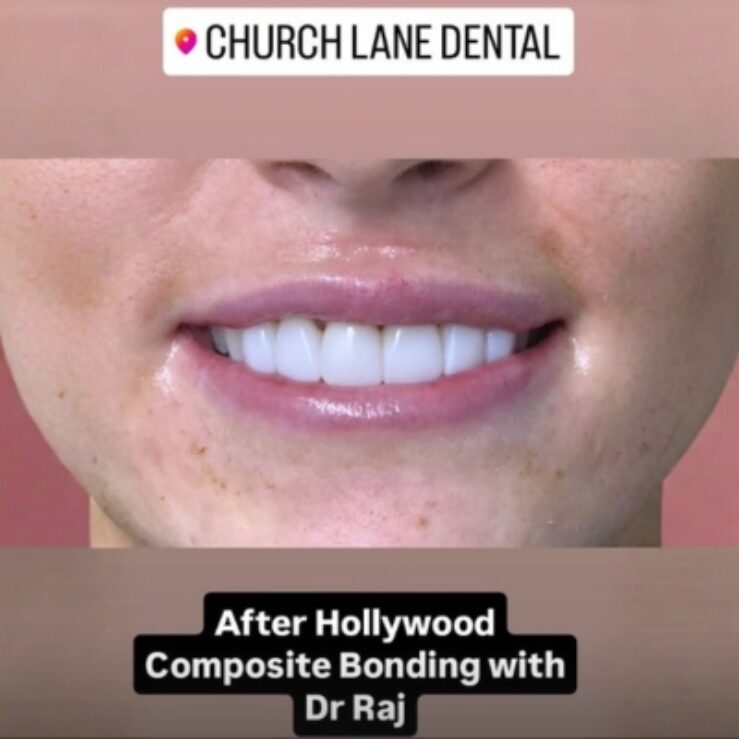
Composite bonding can sometimes improve the appearance of minor crookedness without removing enamel. It is often a more affordable option and can be repaired easily, although it may stain or chip more readily than porcelain and may require more regular maintenance. It is particularly useful for small edge changes, narrow teeth or subtle reshaping.
Invisalign is designed to move teeth, not cover them. It can be the better choice where several teeth need repositioning, spaces need closing or the bite needs attention. Many adults appreciate that clear aligners are discreet and removable, but consistent wear is essential for predictable progress.
Porcelain veneers sit between these options as a premium cosmetic solution for suitable teeth. They can produce a dramatic visual change with exceptional colour stability, but only after the underlying oral health, alignment and bite have been properly assessed.
Caring for veneers is straightforward: brush twice daily with a non-abrasive toothpaste, clean between your teeth every day and attend routine dental examinations and hygiene appointments. Your natural teeth and gums still need the same attention as before.
If you notice a rough edge, sensitivity, a change in how your teeth bite together or a veneer that feels loose, book an appointment promptly. Early assessment can prevent a small issue becoming a more complicated repair.
A straighter-looking smile should never come at the expense of healthy teeth or a comfortable bite. The best next step is a personal consultation where your options can be discussed clearly, without pressure, so you can choose a result that feels as good as it looks.
Back to blog
Quickly match your needs with the right dental treatment using our simple treatment finder.
Have questions or ready to book? Reach out, and our team will guide you every step of the way.


Follow us on Instagram for real patient transformations, behind the scenes updates and the latest offers. It’s the easiest way to stay connected and inspired on your smile journey.
EXPLORE