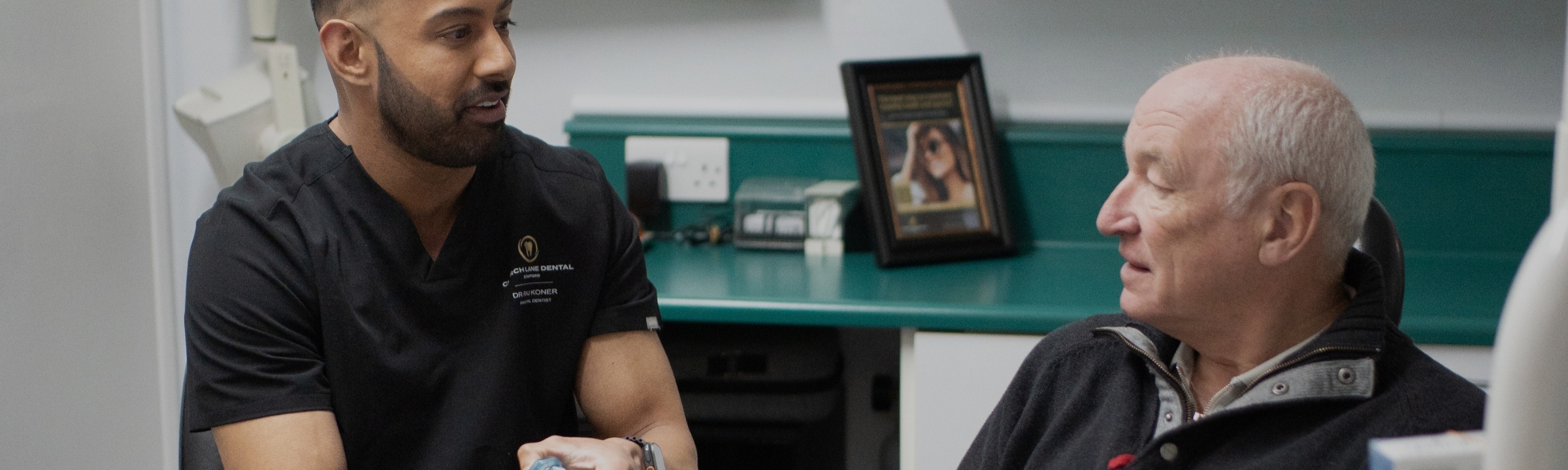
Staffordshire's highest rated dental practice - we guarantee the best quality dental care at great prices! Full range of dental care available - we can do everything under one roof!



A child’s first check-up, a parent’s broken filling on a Sunday, a teenager considering braces and a grandparent struggling with a loose denture can all need very different things from the same dental practice. That is what makes family dental care Stafford households can rely on so valuable: care that meets people where they are, without sending them elsewhere when their needs change.
For many families, dental care works best when it is familiar, flexible and easy to arrange around real life. The right practice should protect healthy smiles, respond quickly when something goes wrong and offer clear options when a family member wants to improve how their smile looks or feels.
Family dentistry is more than booking several people into consecutive appointments. It is a long-term approach to oral health, from early childhood through to later life. It combines routine prevention with restorative treatment, emergency support and, when wanted, cosmetic or orthodontic care.
The practical benefit is continuity. A dentist who knows a patient’s history can spot gradual changes in their gums, bite or teeth sooner. For parents, it also means less repetition, fewer unfamiliar environments for children and a clearer understanding of the treatment choices available to everyone in the household.
A comprehensive private practice can support routine examinations and hygiene appointments alongside fillings, crowns, dentures, implants, teeth straightening and smile enhancements. Not every patient will need every service, of course. The value is having an informed plan and the option to receive care in one place if a problem becomes more complex.
A dental check-up is not simply a search for cavities. It is an opportunity to assess gums, existing fillings and crowns, signs of tooth wear, bite changes and areas that are difficult to clean. Small issues are often easier, quicker and less costly to treat before pain starts.
Hygiene care matters too. Even careful brushing can miss hardened plaque and the areas around the gumline. A tailored hygiene visit can help manage bleeding gums, freshen breath and give practical advice that fits the individual, whether that means helping a child improve their brushing or supporting an adult with gum concerns.
How often a family member needs to attend depends on their oral health, not a one-size-fits-all timetable. Someone with healthy teeth and gums may need less frequent monitoring than someone with active gum disease, repeated decay or extensive dental work. A good clinician will explain the reason for their recommendation rather than simply telling you to come back at a fixed interval.
The hardest part of maintaining family appointments is often not the dentistry. It is finding time between school runs, shift patterns, work deadlines and weekends. Evening and weekend availability can make prevention far more realistic, especially for busy families who do not want to take multiple days away from work or school.
Children benefit from calm, positive early visits. The aim is not to rush them through an examination. It is to help them become comfortable with the surroundings, the dental chair and the people caring for them. A friendly introduction, simple explanations and praise for small steps can build trust that lasts well beyond childhood.
Parents should also feel able to ask direct questions. Is a wobbly baby tooth normal? Does a child’s bite need monitoring? Are fissure sealants suitable? Is frequent snacking affecting their teeth? Clear answers now can prevent uncertainty becoming a bigger problem later.
Teenage years bring another set of decisions. Orthodontic treatment may be considered when teeth are crowded, spaced or not meeting comfortably. Braces and Invisalign can both be excellent choices, but the best option depends on the bite, the movements required, daily habits and how reliably removable aligners will be worn. A consultation should focus on the likely result, the timescale and the responsibilities involved, not just the appearance of the appliance.
Family life does not schedule emergencies conveniently. Severe toothache can stop a child sleeping. A lost filling can become sharply painful. A chipped or knocked tooth after sport needs prompt assessment, even when the damage looks minor.
Urgent dental care should be accessible when pain starts, not only when a routine diary opens up. Same-day appointments, walk-in access and support outside conventional opening hours can make a genuine difference when someone is distressed. At Church Lane Dental, emergency appointments are available 24/7, including weekends and bank holidays, with emergency entry appointments from £25.
If a permanent tooth is knocked out, handle it by the crown rather than the root. If it is visibly dirty, rinse it gently in milk or saline and seek urgent dental advice immediately. Do not delay in the hope that discomfort will settle. For swelling affecting breathing or swallowing, or heavy bleeding that will not stop, seek emergency medical help.
Not every urgent concern needs complex treatment on the day. Sometimes the priority is to relieve pain, manage infection where appropriate or place a temporary repair before definitive care is planned. What matters is being assessed quickly and being told exactly what happens next.
Dental anxiety is common at every age. It may come from a difficult past experience, fear of injections, sensitivity to sounds or simply a long gap since the last appointment. Avoiding appointments can feel easier in the short term, but it can allow small concerns to become more demanding treatment.
A patient-centred practice will not judge that gap. It will listen first, explain each stage in plain language and agree signals that let the patient pause if needed. For some people, that reassurance and a slower pace are enough. For others, sedation dentistry may be appropriate, particularly for longer treatment or significant anxiety.
Sedation is not the same as being unaware of everything. It is carefully planned to help patients feel deeply relaxed while the clinical team monitors them throughout. Suitability must be assessed individually, including medical history and the type of treatment needed. Bringing these conversations into the open is often the first step towards rebuilding confidence.
Family care should never suggest that everyone wants the same outcome. Some patients want to keep their natural smile healthy with simple preventive care. Others may want to replace missing teeth, straighten crowding, brighten their teeth or repair chips that make them self-conscious.
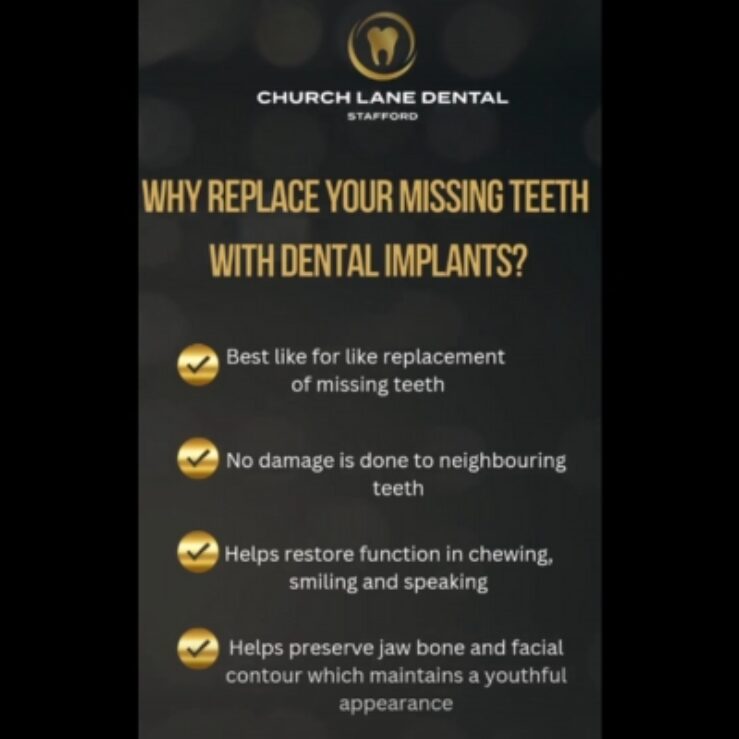
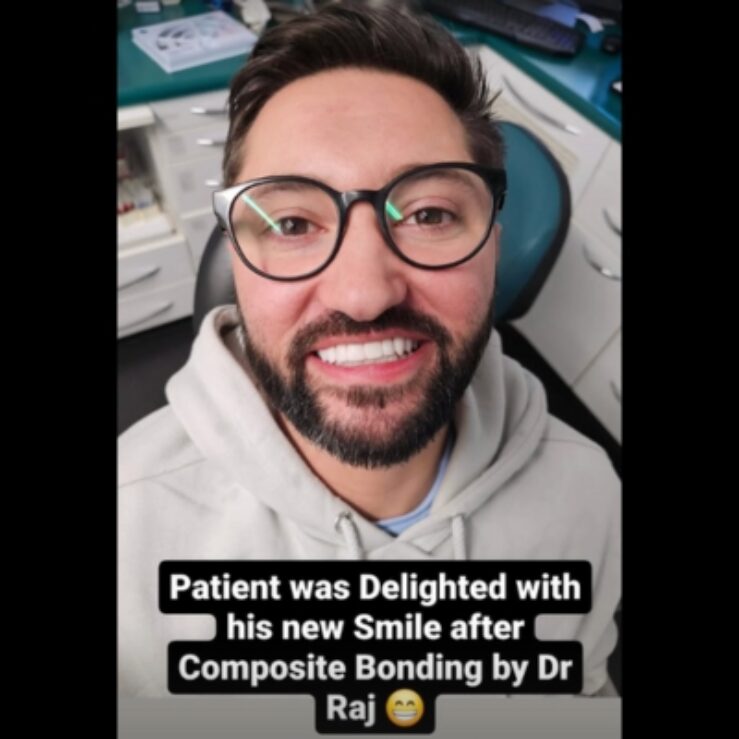
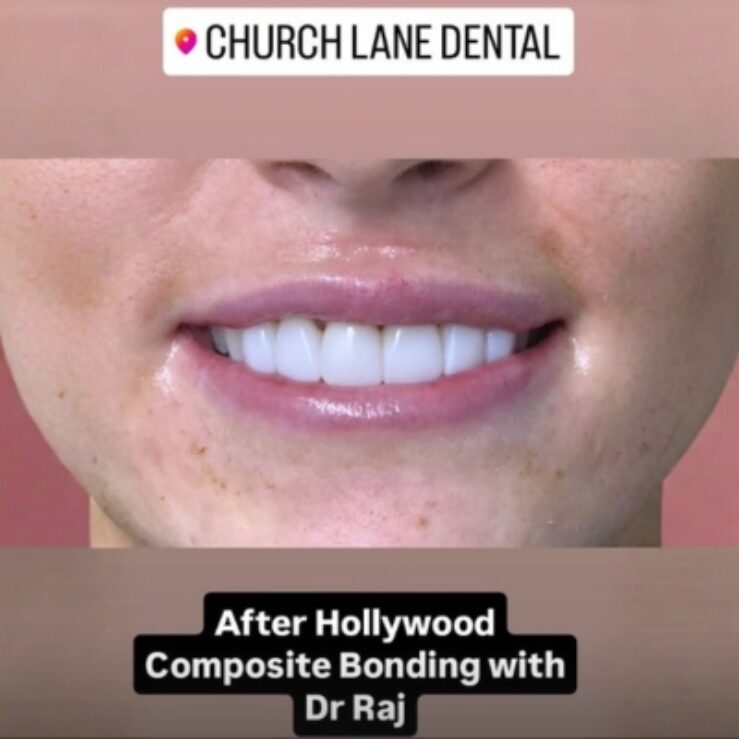
Cosmetic treatment is most successful when it begins with oral health. Whitening, composite bonding, veneers and orthodontics each have benefits and limitations. Whitening can lift tooth colour but does not change the shade of crowns or fillings. Bonding can make subtle improvements with minimal alteration to the tooth, though it may need polishing or repair over time. Implants can provide a secure solution for missing teeth, but they require healthy supporting bone, careful planning and a commitment to long-term cleaning and review.
The right plan is personal. It should include a clear explanation of what can be achieved, how long it is likely to take, the fees involved and how to protect the result. Finance options and membership plans can help some households spread the cost of planned care, while free orthodontic consultations give patients space to explore their teeth-straightening options before committing.
A family dentist should make dental care feel manageable, whether you are bringing in a nervous child, arranging a long-overdue check-up or dealing with a toothache late in the evening. The best time to build that relationship is before an emergency forces the decision.
Back to blog
Quickly match your needs with the right dental treatment using our simple treatment finder.
Have questions or ready to book? Reach out, and our team will guide you every step of the way.


Follow us on Instagram for real patient transformations, behind the scenes updates and the latest offers. It’s the easiest way to stay connected and inspired on your smile journey.
EXPLORE