Staffordshire's highest rated dental practice - we guarantee the best quality dental care at great prices! Full range of dental care available - we can do everything under one roof!



A toothache that wakes you at 2am, a broken tooth before work, or a child who has knocked out a tooth on the pitch can make everything else stop. When you need 24-hour emergency dental care in Stafford, the priority is simple: get the pain, bleeding or damage assessed quickly, then take the right steps to protect your smile.
Dental emergencies rarely arrive at a convenient time. Waiting until Monday can turn a manageable problem into a more complex treatment, particularly where infection, trauma or a loose restoration is involved. Fast, calm action gives your dentist the best chance of relieving discomfort and saving the tooth.
Not every dental concern needs treatment in the middle of the night, but severe symptoms should never be ignored. A dental emergency is usually a problem involving significant pain, swelling, bleeding, injury or a tooth that has been damaged or displaced.
Call for urgent advice if you have intense, persistent toothache; facial or gum swelling; uncontrolled bleeding after an extraction or injury; a broken, cracked or knocked-out tooth; a lost filling, crown or veneer causing pain; or a dental abscess. A cracked tooth may look minor, yet a deep crack can expose the nerve and become increasingly painful when you bite.
Swelling deserves particular attention. A dental infection can cause a throbbing toothache, a bad taste, swelling around the gum or cheek, and sometimes fever. It will not resolve simply because the pain eases. The source of infection needs professional treatment, which may include cleaning the tooth, drainage, root canal treatment or extraction, depending on the cause.
If swelling is affecting your eye, neck, breathing or swallowing, or you feel seriously unwell, call 999 or attend A&E immediately. These symptoms require urgent medical assessment. A dental practice can then help with the dental cause once it is safe to do so.
The right first aid can make a real difference, but it is not a substitute for an emergency appointment. Start by gently rinsing your mouth with warm water. If there is bleeding, place clean gauze or a clean cloth over the area and apply steady pressure. For swelling after an injury, hold a cold compress against the outside of your cheek in short intervals.
For pain, take paracetamol or ibuprofen only if you can safely take them and follow the instructions on the packet. Do not place aspirin directly on the gum or tooth. It can burn soft tissue and will not solve the cause of the pain.
If a filling or crown has come out, keep it somewhere safe and take it with you. Avoid chewing on that side of your mouth and choose soft foods until you are assessed. A temporary pharmacy repair kit may protect a sharp edge for a short time, but it should not delay proper treatment.
A knocked-out adult tooth is time-sensitive. Pick it up by the crown, which is the part normally visible in the mouth, rather than the root. If it is dirty, rinse it very briefly in milk, saline or clean running water without scrubbing it.
If you can confidently place the tooth back into its socket, do so gently and bite on clean gauze to hold it in position. If not, keep it moist in a small container of milk or saline. An older child or adult may also hold it in their cheek if there is no risk of swallowing it. Get emergency dental care immediately.
Do not put a baby tooth back into the socket. Reinserting it could damage the developing adult tooth underneath. Your dentist should still assess any child who has had a dental injury, even if the tooth seems intact.
Emergency dental care is not only about getting out of pain. It is about protecting the options available to you. A tooth with an early infection may be treatable with root canal treatment and a restoration. Leave it too long, and the infection or fracture may make extraction the safer choice.
The same is true of trauma. A chipped tooth may need smoothing or bonding, while a larger break may require a filling, crown or root canal treatment. Prompt examination, often supported by an X-ray, shows whether the nerve, root or supporting bone has been affected.
There is a balance to strike. A tiny chip with no pain can often wait for a routine appointment, provided you avoid biting on it. Severe pain, sharp edges cutting your tongue, a loose tooth, swelling or a tooth that has changed colour after an impact should be assessed urgently.
A good emergency appointment is focused, practical and reassuring. Your dentist will ask what happened, when the symptoms began and whether you have any relevant medical conditions or medicines. They will examine the tooth, gums and surrounding tissues, and may take an X-ray to identify infection, a fracture or damage below the gum line.
The first aim is to make you comfortable and stop the immediate problem from worsening. That could mean placing a temporary dressing, repairing a broken tooth, draining an abscess, recementing a crown, treating the nerve, or removing a tooth that cannot be saved. You should leave knowing what has been done, what to expect once the anaesthetic wears off and whether further treatment is needed.
Sometimes the safest approach is staged care. For example, a badly infected tooth may need emergency pain relief and stabilisation first, followed by a planned root canal treatment or extraction. This is not a compromise in care. It is often the best way to deal with acute inflammation while creating a clear long-term plan.
Fear of the dentist should not keep you in pain. Tell the team if you are anxious, have had a difficult dental experience, struggle with injections or have a strong gag reflex. Small changes, such as explaining each step, agreeing a stop signal and giving you time to settle, can make urgent care feel much more manageable.
Sedation may be suitable for some patients and treatments, but it depends on your health, the procedure and the urgency of the situation. An emergency assessment allows your dentist to recommend the safest option rather than making assumptions while you are distressed.
Pain does not respect office hours, school runs or bank holidays. That is why access matters as much as clinical skill. Church Lane Dental offers emergency and same-day care seven days a week, including evenings, weekends and bank holidays, with emergency appointments available from £25.
Walk-in patients can be accommodated, although calling ahead is helpful where possible. It allows the team to prepare for your problem, advise you on immediate first aid and arrange the earliest appropriate time. If you are travelling from Stone, Stoke-on-Trent, Wolverhampton or elsewhere in Staffordshire, that clarity can save valuable time.
Once the immediate pain has settled, do not miss any follow-up care. Temporary repairs, dressings and antibiotics, where clinically appropriate, are not always the final answer. Completing the recommended treatment helps prevent the same problem returning when you least expect it.
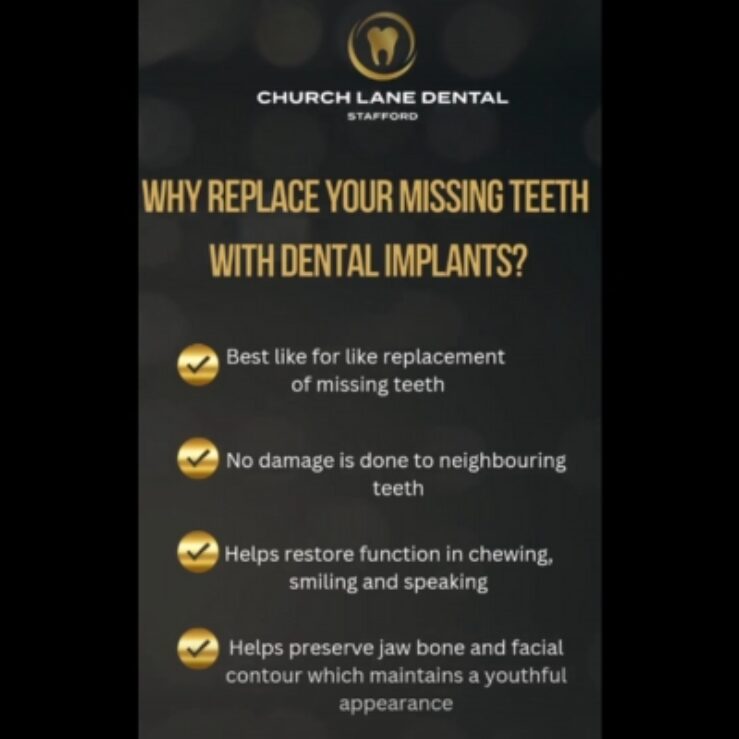
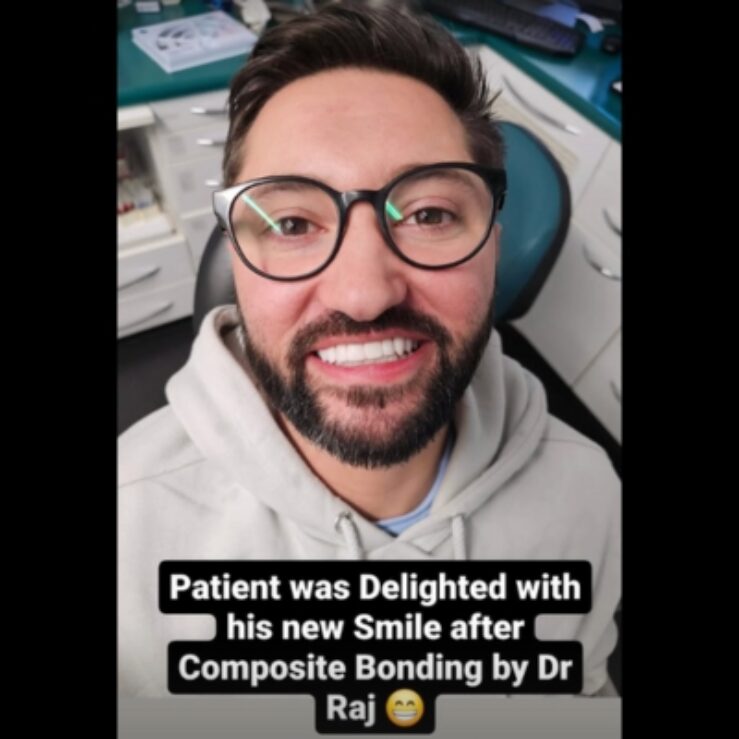
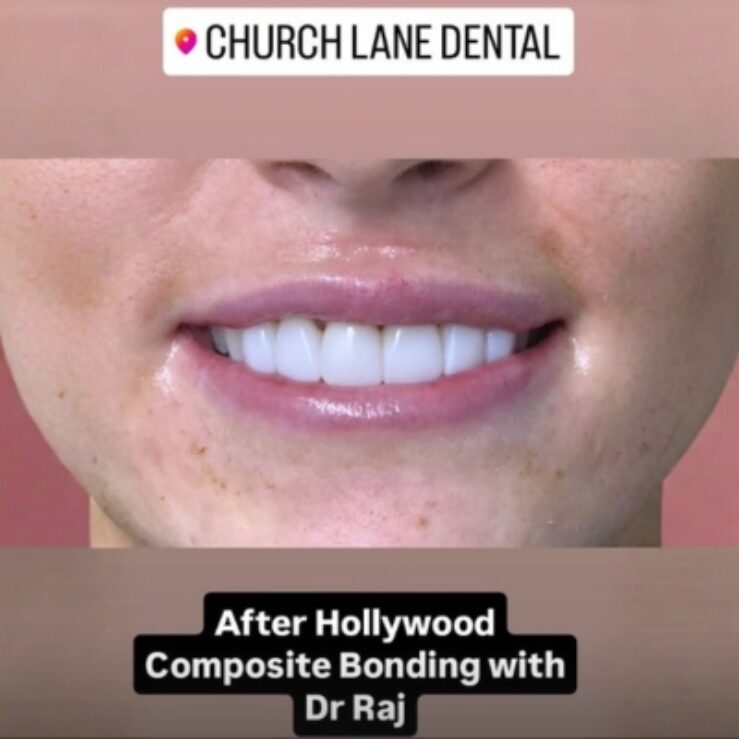
If broken teeth, worn fillings or repeated infections are affecting your confidence as well as your comfort, ask about restorative options once you are out of crisis. From crowns and implants to whitening, bonding and teeth straightening, the right plan should restore function first and build a smile you feel good about afterwards.
A dental emergency can feel frightening, but you do not have to simply endure it. Act early, protect the tooth where you can, and seek professional help. The sooner you are seen, the sooner you can get back to eating, sleeping, speaking and smiling without pain.
Back to blog
Quickly match your needs with the right dental treatment using our simple treatment finder.
Have questions or ready to book? Reach out, and our team will guide you every step of the way.


Follow us on Instagram for real patient transformations, behind the scenes updates and the latest offers. It’s the easiest way to stay connected and inspired on your smile journey.
EXPLORE