Staffordshire's highest rated dental practice - we guarantee the best quality dental care at great prices! Full range of dental care available - we can do everything under one roof!


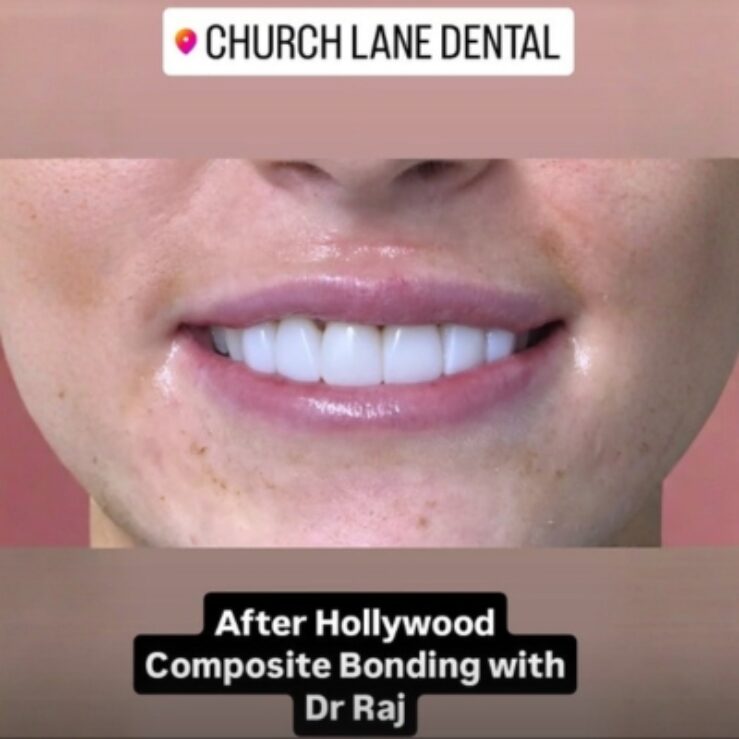
A dental implant before after photograph can show a dramatic change: a gap is replaced, the smile looks complete and a person can bite with confidence again. What it cannot show is the careful planning behind that result, the healing time involved or the difference a well-designed tooth makes to everyday comfort.
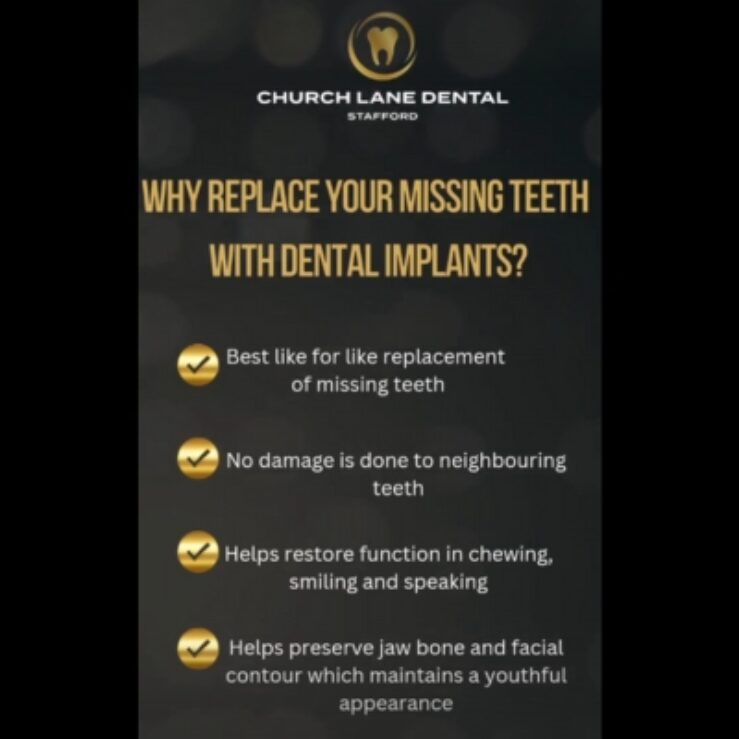
For many people, an implant is not simply a cosmetic decision. A missing tooth can make eating awkward, affect speech, allow neighbouring teeth to move and leave you self-conscious when you smile. A dental implant is designed to replace both the visible tooth and the root beneath it, giving a stable, natural-looking solution that is fixed in place.
The most obvious change is visual. An implant crown is made to blend with the shape, shade and character of your natural teeth, so it should look like it belongs in your smile rather than like a separate addition. Whether it is a front tooth that shows when you speak or a back tooth that does the hard work of chewing, the aim is a result that feels balanced and believable.
Function is just as important. A removable denture can shift, and a bridge relies on neighbouring teeth for support. An implant is anchored into the jawbone, then fitted with a custom crown once it has healed. This can make biting feel more secure and allow you to eat a wider range of foods with greater comfort.
There can also be a change to facial support. When a tooth has been missing for some time, the bone in that area may gradually reduce. Replacing the tooth root with an implant can help preserve the bone that remains. The extent of improvement depends on how long the tooth has been absent, the condition of the gum and bone, and the treatment needed before implant placement.
The strongest before-and-after outcomes begin long before the implant is placed. Your dentist needs to establish why the tooth was lost, assess the health of the surrounding gums and check whether there is enough bone to support an implant safely.
A consultation will usually include an examination, X-rays and, where appropriate, 3D imaging. This allows the implant position to be planned precisely, taking account of the bite, the neighbouring teeth and the final appearance of the crown. It is particularly important for front teeth, where even small differences in gum level, angle or colour can be noticeable.
If gum disease is active, it must be brought under control first. If there is insufficient bone, bone grafting may be recommended. This can add time to the process, but it is often the right decision for a stable, long-lasting result. Quick treatment is valuable, but cutting corners with implant planning is not.
Some patients need a tooth removed because it is cracked, infected or beyond repair. In selected cases, an implant can be placed at the same appointment as the extraction. In others, the site needs time to heal first. The right route depends on infection, bone quality, gum condition and the position of the tooth.
An implant is a small titanium post placed into the jawbone under local anaesthetic. For anxious patients, sedation may also be an option, helping treatment feel calmer and more manageable. The procedure is carried out with careful planning and the area is numbed, so you should not feel pain during placement.
After the implant is placed, it needs time to integrate with the bone. This process, called osseointegration, creates the secure foundation for the new tooth. Healing commonly takes several months, although every case is different.
During this period, you may have a temporary tooth, especially if the missing tooth is visible when you smile. A temporary solution protects the space and supports appearance, but it is not always intended for heavy biting. Your dentist will explain what you can eat and how to care for it while healing progresses.
Once the implant is stable, the final crown is designed. This is where the fine detail matters: matching colour, creating the right tooth proportions and ensuring the bite feels comfortable. A good result should not only look right in a photo. It should feel right when you talk, chew and clean your teeth.
There is no single timeline for dental implant treatment. A straightforward case can move more quickly than one requiring extraction healing, gum treatment or a bone graft. Your final crown is usually fitted only when the implant site is ready to support it properly.
It is worth separating the immediate appearance from the finished outcome. You may leave an appointment with a temporary tooth or a restored smile, but the final crown comes after the biological healing stage. Patience at this point helps protect the investment you are making in your long-term oral health.
The gum line can also continue to settle after treatment. This is one reason the final crown is planned so carefully, particularly in the smile zone. Your clinician may make small adjustments to ensure the tooth looks natural alongside those around it.
No two dental implant before after cases are identical. The final result is shaped by factors that include the starting position of the tooth, the volume of bone and gum tissue, the health of neighbouring teeth and the way your upper and lower teeth meet.
Smoking can affect healing and increase the risk of implant complications. Uncontrolled diabetes, untreated gum disease and clenching or grinding may also need extra attention. These factors do not automatically mean implant treatment is impossible, but they do affect the plan and the discussion around risks.
The colour of the crown matters too. Natural teeth are not usually one flat shade, so a crown is selected and crafted with surrounding teeth in mind. If you are considering whitening, it is usually best to discuss this before the final crown is made, as crowns do not whiten in the same way as natural enamel.
An implant cannot decay, but the gums and bone around it still need consistent care. Plaque can cause inflammation around an implant, just as it can around natural teeth. Left untreated, this can develop into peri-implant disease and threaten the support around the implant.
Brush twice daily with a fluoride toothpaste and clean between your teeth every day using the method recommended for your implant. This may include interdental brushes, floss designed for implant cleaning or another tailored option. Regular hygiene visits and dental reviews allow early signs of inflammation, wear or bite changes to be spotted promptly.
With good home care and professional maintenance, dental implants can be a dependable long-term option. They are not maintenance-free, but for many patients, the routine soon becomes as familiar as caring for their natural teeth.
Not always. A bridge, denture or, in some situations, preserving a damaged tooth may be the better choice. The best treatment depends on your oral health, goals, budget, time available and the condition of the surrounding teeth.
At Church Lane Dental, implant planning focuses on the whole picture, not just filling a gap. That means clear explanations, tailored treatment and support for nervous patients as well as those looking for a confident, lasting smile.
If a missing or failing tooth is affecting how you eat, speak or feel about your smile, a consultation can give you a clear view of what is possible. The most meaningful before-and-after result is not just the change you see in the mirror – it is the confidence to stop thinking about that missing tooth at all.
Back to blog
Quickly match your needs with the right dental treatment using our simple treatment finder.
Have questions or ready to book? Reach out, and our team will guide you every step of the way.


Follow us on Instagram for real patient transformations, behind the scenes updates and the latest offers. It’s the easiest way to stay connected and inspired on your smile journey.
EXPLORE