Staffordshire's highest rated dental practice - we guarantee the best quality dental care at great prices! Full range of dental care available - we can do everything under one roof!



A school photo, a growing reluctance to smile, or teeth that make brushing difficult can be the moment a parent starts looking into braces for teenagers in Stafford. Orthodontic treatment is about far more than a straighter smile. When it is carefully planned, it can support bite function, make teeth easier to clean and give a young person confidence at a stage when appearance can feel especially personal.
There is no single age that suits every teenager. Many orthodontic assessments take place once most adult teeth have erupted, often around ages 11 to 14. However, the right time depends on how the teeth, jaws and bite are developing – not simply on a birthday.
An early assessment can identify crowding, protruding teeth, gaps, crossbites, deep bites or teeth that have not come through as expected. In some cases, monitoring growth for a while is the best approach. In others, beginning treatment sooner can make use of natural jaw growth and prevent a developing issue becoming more complex.
Parents do not need to work this out alone. A thorough orthodontic consultation looks at the whole picture: tooth position, bite, facial profile, gum health, oral hygiene and the teenager’s own goals. Clear photographs and digital scans can help make the proposed plan easy for both parent and teen to understand.
The best brace is the one that can safely achieve the planned result and that your teenager is likely to wear and care for properly. The most discreet option is not always the most suitable one, while the most visible option can sometimes provide the most precise control for complex movements.
Modern metal braces are smaller and more comfortable-looking than many parents remember. They remain a highly effective choice for significant crowding, rotations and bite correction because they work continuously and cannot be misplaced or forgotten. Coloured bands can also make them feel more personal, rather than something to hide.
Ceramic or tooth-coloured braces work in a similar way to metal braces but are less noticeable from a distance. They may appeal to image-conscious teenagers who need the control of fixed treatment. They can require particularly careful cleaning and may be a little more delicate, so suitability should be discussed at the consultation.
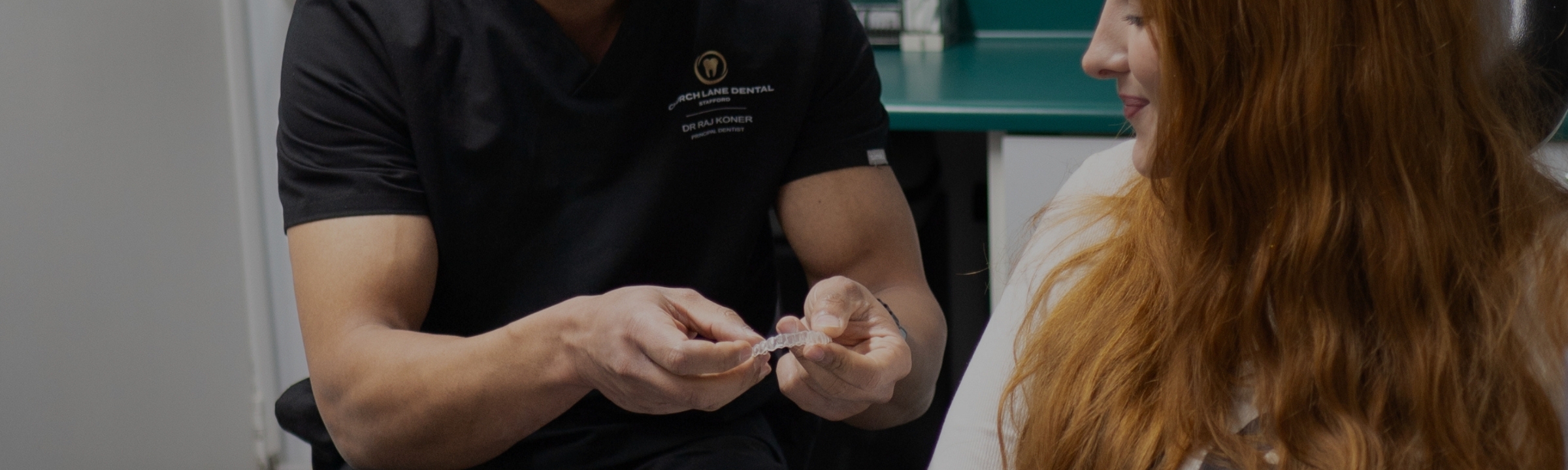
Clear aligners are removable, transparent trays worn for most of the day and night. They can be a good fit for responsible teenagers who want flexibility for sport, performances or social occasions. The trade-off is commitment: aligners only work as planned when they are worn for the prescribed hours and changed on schedule. A teen who regularly leaves them in a school bag may get a better outcome from fixed braces.
The decision should never be based on appearance alone. The treatment plan, likely treatment time, lifestyle, oral hygiene and level of responsibility all matter.
Orthodontic treatment starts with a detailed assessment, not the fitting appointment. Your clinician will examine the teeth and gums, assess how the upper and lower teeth meet, and discuss any concerns such as clicking, tooth wear or difficulty biting. Digital scans, photographs and X-rays may be used to plan safe, accurate movement.
If there are fillings to complete, gum inflammation to settle or a tooth that needs other attention first, these should be dealt with before orthodontics begins. Healthy teeth and gums provide the strongest foundation for a great result.
Once a plan is agreed, you should know what type of brace is recommended, how long treatment may take, what appointments are likely to involve and what retention will look like afterwards. At Church Lane Dental, orthodontic consultations are free, giving families the space to ask practical questions before making a decision. Eligible teeth-straightening plans may also include useful added value, such as 3D scans and whitening, depending on the chosen treatment.
The first few days after braces are fitted, or adjusted, can bring tenderness. This is usually temporary and manageable with softer foods, sensible pain relief where appropriate and orthodontic wax for any area that rubs. A little preparation makes a real difference, especially during the first week.
Cleaning becomes more important during treatment. Food and plaque can collect around brackets and wires, increasing the risk of staining, decay and swollen gums. Teenagers should brush carefully at least twice daily with fluoride toothpaste and clean between teeth as advised. An interdental brush is often particularly helpful around fixed braces.
With fixed braces, it is sensible to avoid hard, sticky or chewy foods that can damage brackets and wires. That does not mean every favourite food disappears for the duration of treatment, but it may need to be cut into smaller pieces or eaten differently. Clear aligner wearers should remove trays for meals other than water, then brush before putting them back in.
If a wire feels sharp, a bracket comes loose or an aligner is lost, contact the practice promptly. It is rarely a reason to panic, but leaving a problem too long can cause discomfort and affect progress. Evening and weekend availability can be particularly reassuring for busy families when a concern arises outside school hours.
Most comprehensive orthodontic treatments take between 12 and 24 months, although this can be shorter or longer. The complexity of the bite, the amount of movement needed, attendance at review appointments and the teenager’s cooperation all affect timing.
Clear aligners need consistent wear. Fixed braces need careful cleaning and attention to food advice. Missed appointments, repeated breakages or lost aligners can add time, so it helps to treat treatment as a shared project between the clinician, parent and teenager.
The braces coming off are not the end of the process. Teeth naturally try to move back towards their original positions, which is why retainers are essential. Wearing them exactly as instructed protects the time, effort and investment that went into the new smile.
Private orthodontic fees vary according to the complexity of treatment and the brace system chosen. A clear plan should explain what is included, from records and fitting through to reviews and retainers, so there are no surprises later.
For many families, spreading the cost through finance can make treatment more manageable. It is also worth asking about membership options and whether a teen’s routine dental care can be coordinated alongside orthodontic appointments. Having general, preventive and orthodontic care in one place can make life simpler when school, work and family commitments are already full.
Even a teen who wants straighter teeth may worry about discomfort, looking different or being judged at school. The most useful response is honest reassurance. Explain that adjustment is normal, appointments are planned step by step, and they will have a say in choices where clinically appropriate.
Encourage them to ask their own questions at the consultation. Whether they want to know if they can play rugby, sing in a concert, eat popcorn or still feel confident in photos, those questions matter. A calm, welcoming team and clear answers can turn orthodontic treatment from a source of anxiety into a positive goal.
Fitting braces should not hurt, though teeth can feel tender as they begin to move and after adjustment appointments. The sensation normally settles within a few days. Your clinician can explain practical ways to stay comfortable and when to get in touch if something does not feel right.
Usually, yes. For contact sports, a properly fitted mouthguard is strongly recommended. Wind instrument players often need a short adjustment period, but most adapt well. Mention any regular activities during the assessment so advice can be tailored.
Severe pain, facial swelling, trauma or a knocked-out tooth needs urgent dental advice. For a broken bracket or irritating wire, contact the practice as soon as possible for guidance. Do not try to cut a wire at home.
The right orthodontic plan should feel achievable, not overwhelming. A well-timed consultation gives your teenager a clear route forward – and gives them the chance to see their future smile as something worth looking forward to.
Back to blog
Quickly match your needs with the right dental treatment using our simple treatment finder.
Have questions or ready to book? Reach out, and our team will guide you every step of the way.


Follow us on Instagram for real patient transformations, behind the scenes updates and the latest offers. It’s the easiest way to stay connected and inspired on your smile journey.
EXPLORE