Staffordshire's highest rated dental practice - we guarantee the best quality dental care at great prices! Full range of dental care available - we can do everything under one roof!



A smile can look healthy yet still leave you hiding your teeth in photographs, covering your mouth when you laugh or avoiding certain colours of lipstick. Cosmetic dentistry is designed for those moments. It can brighten stained teeth, refine uneven edges, close small gaps and create a more balanced smile, while keeping the result natural to you.
The best treatment is rarely the most dramatic one. It is the option that fits your teeth, your bite, your lifestyle and the change you genuinely want to see. A careful consultation should start with your concerns, then look at the health and structure beneath the surface before any cosmetic work begins.
Cosmetic treatment focuses on the appearance of teeth and gums, but the strongest outcomes are built on sound oral health. If there is active decay, gum disease, a cracked tooth or an unstable bite, these issues need attention first. Improving the colour of a tooth that is painful, or placing bonding over untreated decay, may look like a quick answer but will not protect the tooth in the long term.
Once the foundations are healthy, cosmetic dentistry can address several common concerns. Teeth can be made lighter, more even in shape, better aligned and more proportionate to the face. Worn, chipped or discoloured teeth can often be restored with materials chosen to blend with the surrounding enamel.
It also helps to separate what is possible from what is sensible. A tiny gap may be suited to bonding, while a wider gap caused by tooth position may be better treated with orthodontics. A heavily stained tooth may not respond to whitening in the same way as natural enamel. Good planning makes these distinctions clear before you commit.
Professional teeth whitening is often the simplest way to make a noticeable change. It lifts stains within natural tooth enamel caused by tea, coffee, red wine, smoking and age. The result is usually a brighter version of your own smile rather than an artificial white.
Whitening does not change the colour of crowns, veneers, fillings or bonding. This matters if you have visible dental work at the front of your mouth. Your dentist may recommend whitening first, then matching any replacement restorations to your chosen new shade.
Some people experience temporary sensitivity, particularly if they already have sensitive teeth or exposed root surfaces. A tailored approach, with the right strength and wear time, can help manage this. Shop-bought products can be tempting, but they may be less predictable and are not a substitute for an examination to check that whitening is appropriate.
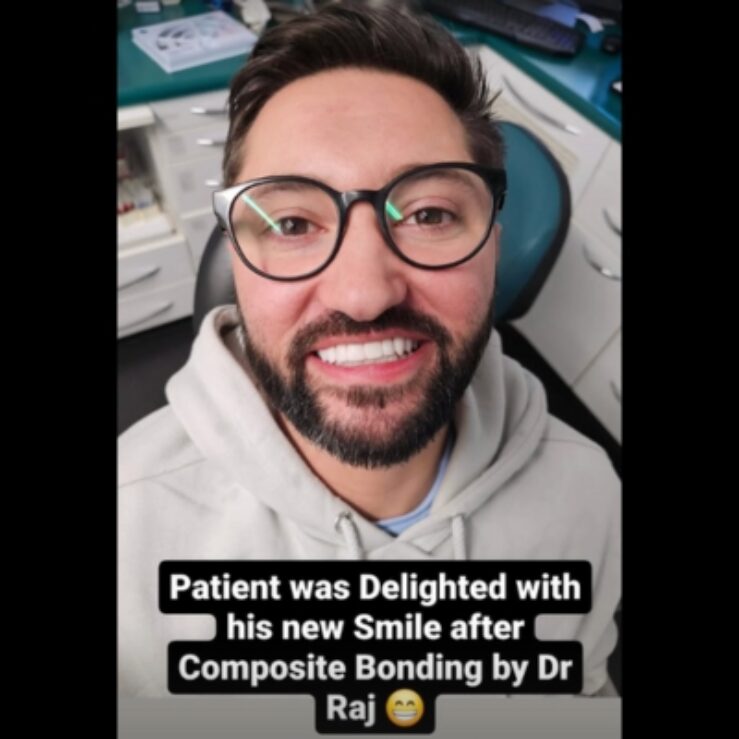
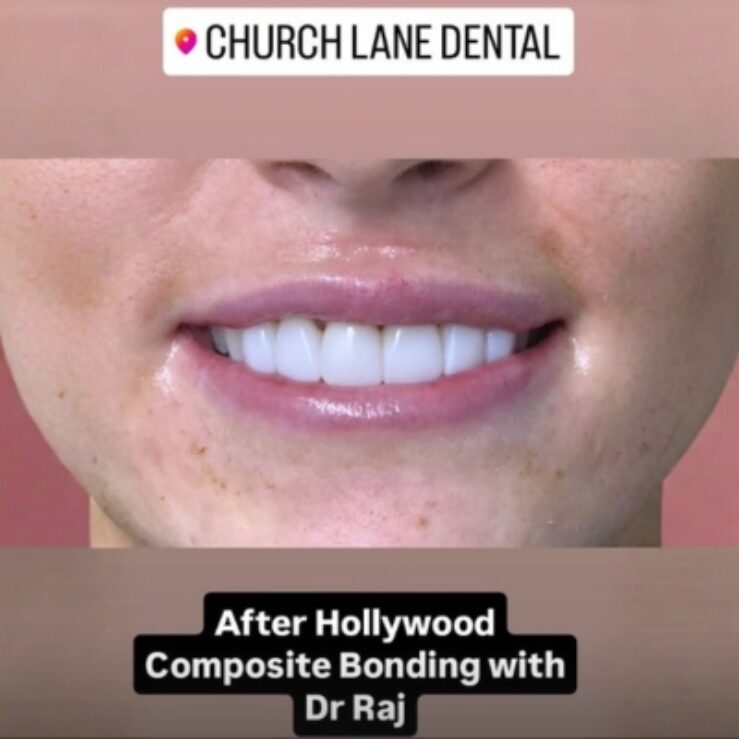
Composite bonding uses a tooth-coloured resin to alter the shape, length or surface of a tooth. It can repair a chip, soften a pointed edge, mask minor unevenness or close selected small gaps. Because it is built directly onto the tooth, it can often be a conservative option with little or no removal of natural enamel.
The detail matters. High-quality bonding is not simply about adding material. It requires careful shade selection, proportion, texture and polishing so the tooth catches the light naturally. It may be an excellent choice for someone who wants refinement without the commitment of a more extensive restoration.
There are trade-offs. Composite can stain or chip over time, especially if you smoke, drink lots of coffee or bite hard objects. It also requires maintenance and may need polishing, repair or replacement in the future. For teeth with major colour change, significant wear or a large amount of existing filling material, another option may offer greater longevity.
Veneers are thin, custom-made coverings placed on the front surface of teeth. They can change colour, shape, size and symmetry at the same time, making them suitable for more substantial aesthetic concerns. They are often considered where teeth are worn, persistently discoloured, irregularly shaped or have spaces that cannot be predictably improved with bonding alone.
Porcelain veneers are known for their lifelike appearance and resistance to staining. Composite veneers may offer a more cost-conscious route and can be easier to repair, though they generally need more maintenance. The right material depends on your goals, budget, bite and the condition of the teeth.
Veneers should never be a one-size-fits-all answer. In some cases, moving teeth first with braces or clear aligners allows for a more conservative veneer design. In others, whitening and minimal bonding provide the change a patient wants without covering multiple teeth. Your clinician should explain how much, if any, tooth preparation is needed and what replacement planning may look like years from now.
Crowding, spacing and twisted teeth affect more than a smile’s appearance. They can make cleaning difficult and may create uneven wear. Invisalign and fixed braces move teeth into a better position, which can reduce the need to reshape healthy enamel or build up teeth with restorative material.
Clear aligners are popular with adults because they are discreet and removable. They work best when worn consistently, usually for 20 to 22 hours each day. Fixed braces can be the more reliable choice for certain complex movements. Neither is an instant solution, but both can create a healthier foundation for whitening, bonding or veneers afterwards.
Orthodontic treatment requires commitment. Retainers are essential once teeth have moved, because teeth naturally try to shift over time. If your main concern is a single tooth or a small space, a dentist can talk honestly about whether alignment treatment is worthwhile or whether a more direct cosmetic option is reasonable.
Not every cosmetic concern is limited to intact teeth. A crown can restore a tooth that is badly broken, heavily filled or weakened after root canal treatment, while matching the surrounding smile. When a tooth is missing, a dental implant can replace both the root and visible tooth, helping restore confidence, chewing function and support for neighbouring teeth.
These treatments have aesthetic benefits, but they are primarily restorative. They involve more planning than whitening or bonding and may require scans, healing time or preparatory treatment. Gum health and bone levels are particularly important for implants. A realistic treatment plan will set out the stages clearly rather than promising a finished smile before the clinical groundwork is complete.
A good decision starts with a conversation, not a treatment menu. Bring photographs if there is a smile shape or shade you like, but also explain what you do not want. Many patients want their teeth to look healthier and more even without looking noticeably “done”.
Your dentist should assess tooth colour, enamel thickness, existing restorations, gum position, bite and facial proportions. Digital imaging, photographs and smile previews can help you discuss the likely direction of treatment. They are useful planning tools, but no preview should be treated as an absolute guarantee. Natural teeth, gum tissues and materials all have limits.
Ask about longevity, maintenance and future costs as well as the initial fee. Whitening needs occasional top-ups. Bonding can need repair. Veneers and crowns may eventually need replacing. Orthodontic results depend on retainer wear. Understanding these responsibilities helps you choose a treatment that remains manageable long after the first reveal.
For nervous patients, comfort should be part of the plan too. Cosmetic care is never a race. Extra time, clear explanations and sedation options where appropriate can make treatment feel far more achievable. If a chipped tooth, broken veneer or dental pain needs urgent attention first, that should be dealt with promptly before planning elective changes.
The best cosmetic results respect the character of your smile. They consider the translucency of enamel, the small differences that make teeth look real and the way your lips and face frame them. Perfectly uniform teeth are not always the most convincing or flattering choice.
At Church Lane Dental, a cosmetic consultation can bring whitening, bonding, veneers, teeth straightening and restorative care into one joined-up plan, with clear advice at every stage. Whether your goal is a subtle refresh or a fuller smile transformation, start with the option that protects your teeth and gives you confidence every time you smile.
Back to blog
Quickly match your needs with the right dental treatment using our simple treatment finder.
Have questions or ready to book? Reach out, and our team will guide you every step of the way.


Follow us on Instagram for real patient transformations, behind the scenes updates and the latest offers. It’s the easiest way to stay connected and inspired on your smile journey.
EXPLORE