Staffordshire's highest rated dental practice - we guarantee the best quality dental care at great prices! Full range of dental care available - we can do everything under one roof!


A cracked tooth on a Saturday evening, a child due for a check-up, or a smile you have wanted to improve for years all raise the same question: private versus NHS dentistry – which route is right for you? The answer is rarely as simple as ‘cheaper’ or ‘better’. It depends on how quickly you need care, the treatment you want, your budget and the flexibility your life requires.
NHS dentistry remains an essential service for clinically necessary dental care. Private dentistry can offer wider appointment availability, more treatment choices and additional time to tailor your experience. Both have a place. Knowing the difference means you can make a decision with confidence rather than waiting until pain forces your hand.
NHS dental treatment is designed to keep your mouth healthy and manage disease. If a treatment is clinically necessary to protect your oral health, an NHS dentist may provide it, subject to availability and eligibility. In England, patients who pay for NHS dentistry are charged by treatment band rather than item by item. Some people are entitled to help with those costs or free NHS treatment.
Private care is paid for directly, either as a one-off fee, through a membership plan or with finance for eligible treatments. Fees vary according to the procedure, materials, clinical complexity and time involved. A good private practice should explain costs before treatment starts, so you understand what is recommended, why it is recommended and what your options are.
The key distinction is not whether one dentist cares more than another. Dentists across both routes are regulated to the same professional standards. The difference is usually in access, time, scope and choice. A private appointment may allow more flexibility around your schedule, longer discussions and treatments that NHS funding does not routinely cover.
Check-ups, hygiene advice, X-rays where clinically needed, fillings, root canal treatment, extractions and dentures can all form part of NHS care when they are necessary for your dental health. The precise treatment offered depends on your individual clinical needs.
Private general dentistry includes the same foundations, but patients can often choose from a broader range of materials and approaches. For example, a private treatment plan may include tooth-coloured restorations in more situations, detailed preventive visits, airflow cleaning, or a greater choice of crown and denture options. That does not mean every patient needs the most extensive option. It means the conversation can be built around your priorities as well as clinical need.
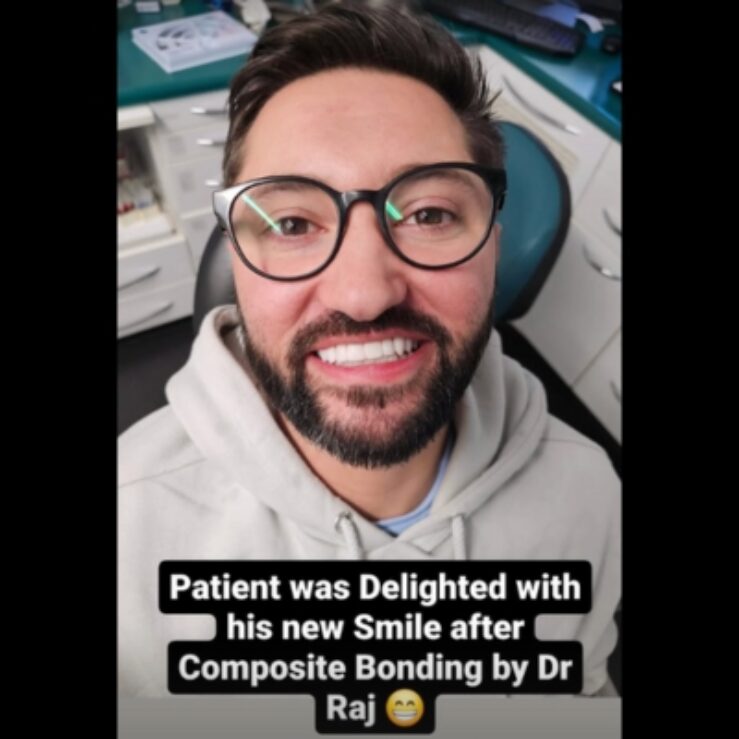
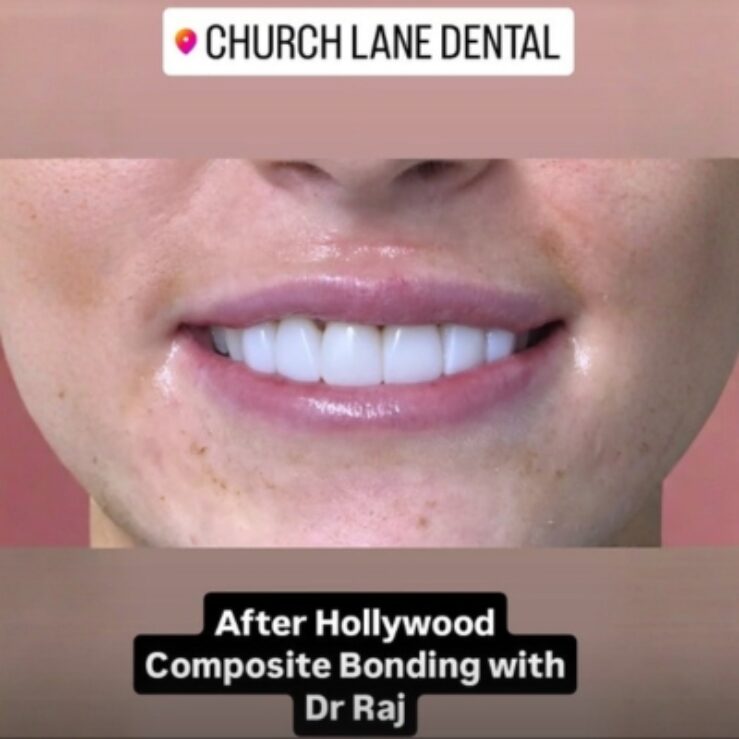
This is where the gap is often clearest. NHS treatment is not generally provided purely to improve appearance. Whitening, composite bonding, veneers and elective smile makeovers are private treatments. Teeth straightening for adults is also usually private unless there is a specific clinical exception.
Private dentistry can make these treatments more accessible to people who want a subtle change as much as those seeking a complete transformation. Invisalign, fixed braces, whitening and bonding can be planned around your facial features, bite and the look you want to achieve. The right plan should protect your long-term dental health rather than chasing a uniform, overly bright result.
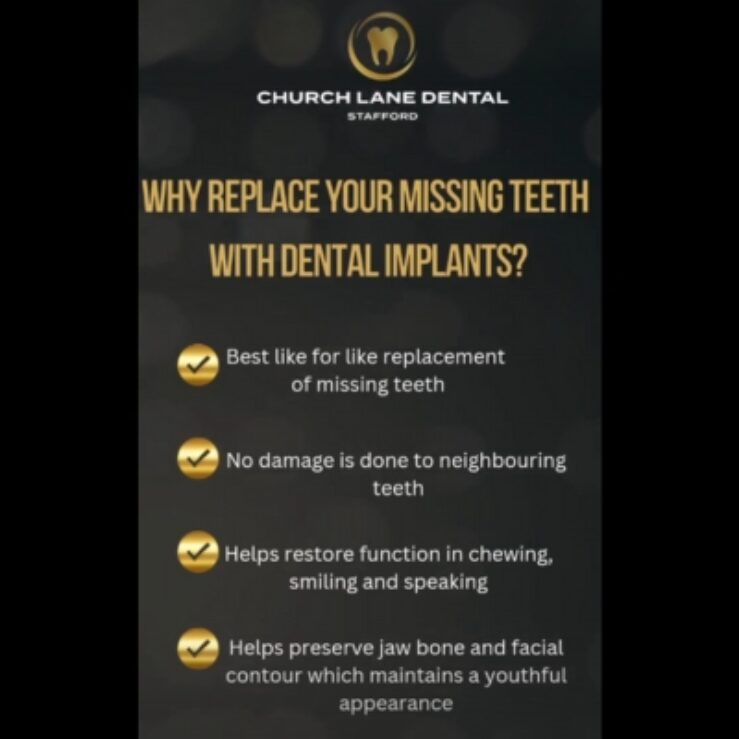
A missing tooth can affect confidence, eating and the way your remaining teeth meet. NHS options may include a denture, while other restorative solutions may be available depending on clinical circumstances. Dental implants are normally a private treatment, as are many premium bridge and crown choices.
An implant is not automatically the right answer simply because it is a highly regarded option. Bone levels, gum health, medical history, bite forces and budget all matter. A careful consultation should set out the advantages and limitations of each option, including leaving a space where that is safe to do so.
For many families, NHS availability is the practical challenge. Practices may have limited NHS capacity, waiting lists or restricted appointment times. If you work shifts, have childcare commitments or cannot easily take time away during the day, finding an appointment can be difficult even when your needs are straightforward.
Private practices usually have more freedom to offer early morning, evening and weekend appointments. That can make regular care easier to maintain, particularly for busy parents and working adults. It may also mean that appointments can be booked more promptly for a broken filling, lost crown or sudden toothache.
Emergency care is particularly time-sensitive. Severe toothache, facial swelling, trauma, uncontrolled bleeding or a broken tooth should not be left to ‘settle down’. If you cannot access your usual dentist quickly, seek urgent dental advice. In Stafford, Church Lane Dental offers same-day and 24/7 emergency access, including evenings, weekends and bank holidays, with emergency appointments available from £25. The appointment fee is an entry point for assessment – any treatment required will be discussed separately.
Speed matters, but it should not come at the expense of clear information. Whether you are seen through an NHS or private route, you should be told what is causing the problem, what can be done now and what follow-up care is likely to be needed.
NHS dental charges can be easier to predict because they are set in bands. This can be very helpful when the treatment needed fits within the NHS service and an appointment is available. However, the lower upfront cost does not always answer every practical question. If the treatment you want is cosmetic, if you need an appointment outside normal hours or if you are looking for a particular material, you may need to consider private care.
Private dentistry has a higher direct cost for many treatments, but it also offers more choice in how that cost is managed. Membership plans can spread the cost of routine examinations and hygiene visits, while finance may make larger treatments such as implants or orthodontics more manageable. Always ask for a written treatment plan and fee estimate. You should never feel pressured to accept treatment on the spot.
When comparing prices, consider the whole plan rather than one headline figure. Ask what is included in the consultation, diagnostics, laboratory work, reviews and aftercare. For teeth straightening, for instance, retainers and refinements can be as important as the initial aligners. For an implant, you need clarity on the restoration placed on top, not just the surgical stage.
NHS dentistry may suit you well if you are focused on clinically necessary care, are registered with a practice that has appointments available and are happy with the treatment choices offered. It is also a vital route for families and patients who qualify for help with charges.
Private dentistry may be a stronger fit if convenient access is a priority, you need urgent care quickly, or you want to explore cosmetic, orthodontic or implant treatment. It can also suit nervous patients who would benefit from more time, a calmer pace and options such as sedation dentistry.
For many people, the choice is not permanent or all-or-nothing. You may receive routine care through one route and choose private treatment for a specific concern. What matters is that the plan is clinically sound, clearly priced and realistic for your lifestyle.
A useful dental conversation goes beyond, ‘How much is it?’ Ask when you can be seen, what happens if you have pain outside normal hours and whether the practice can provide the treatment you may need later. If you are considering elective treatment, ask to see the condition of your teeth and gums first. Straight teeth and white teeth still need to be healthy teeth.
You should also ask about alternatives. A dentist who explains the option to monitor, repair, replace or improve gives you room to decide. The best treatment is not always the most expensive one. It is the one that addresses your needs, protects your smile and feels achievable to maintain.
Your dental care should fit into real life: school runs, work deadlines, nerves, budgets and the occasional unexpected emergency. Choose the route that gives you the right level of care now, with a clear path forward when your smile needs more.
Back to blog
Quickly match your needs with the right dental treatment using our simple treatment finder.
Have questions or ready to book? Reach out, and our team will guide you every step of the way.


Follow us on Instagram for real patient transformations, behind the scenes updates and the latest offers. It’s the easiest way to stay connected and inspired on your smile journey.
EXPLORE