Staffordshire's highest rated dental practice - we guarantee the best quality dental care at great prices! Full range of dental care available - we can do everything under one roof!



A toothache at 10pm, a broken filling before a wedding, or a child needing a check-up can quickly turn one question into an urgent one: can you get an appointment? NHS private dentistry is often discussed as though it is a simple choice between free and expensive. In reality, the difference is usually about access, treatment options, timing and how much control you have over your care.
For patients across Staffordshire, the right route depends on what you need now and what you want for your smile long term. NHS care remains an essential service, while private dentistry can offer faster appointments, broader treatment choices and more flexibility around busy lives.
NHS dentistry is designed to provide clinically necessary treatment that keeps your mouth healthy. You pay a set patient charge in most cases, unless you qualify for help with dental costs. The treatment available is based on clinical need, rather than cosmetic preference.
Private dentistry is paid for directly by the patient, either at the time of treatment, through a membership plan or with finance where available. It allows a dentist to offer a wider range of materials, appointment times and elective treatments. That may include tooth-coloured restorations in visible areas, teeth straightening, whitening, veneers, implants and more extensive smile design.
Neither route is automatically “better”. If you have access to an NHS dentist and need routine care that falls within NHS provision, it may be the right fit. If you are struggling to find an appointment, need urgent help, want a specific treatment, or need visits outside normal working hours, private care can be a practical alternative.
The greatest frustration for many patients is not choosing between types of dentistry. It is finding a dentist when they actually need one. NHS practices have finite contracts and appointment capacity, so availability can vary significantly between areas. Some practices may not be accepting new NHS patients, while others may have waiting times for routine appointments.
Private practices are generally able to offer more appointment flexibility. This can matter if you work shifts, care for children, travel regularly or cannot take time away from work during the week. Evening, weekend and bank holiday appointments can make the difference between dealing with a problem early and allowing it to become more painful, complex and costly.
Urgent dental problems should not be left to chance. Severe toothache, swelling, trauma, a lost crown, a broken tooth or a dental infection all need prompt assessment. A private emergency appointment can provide a fast route to pain relief, diagnosis and a clear plan, even if you do not usually attend that practice.
At Church Lane Dental, emergency appointments start from £25, with same-day, walk-in and out-of-hours availability for patients who need immediate help. The priority is to get you out of pain, explain what is happening and give you straightforward options for the next step.
NHS dental care focuses on treatments needed to protect oral health and function. This can include examinations, X-rays where clinically required, preventive advice, fillings, root canal treatment, extractions, dentures and crowns in appropriate circumstances.
There are limits. The NHS does not generally cover treatment carried out purely to improve appearance. For example, whitening, cosmetic bonding, veneers and Invisalign are private treatments. If a back tooth needs a filling, an NHS option may be appropriate. If you would prefer a particular material or a more aesthetic finish in a prominent tooth, private options may give you more choice.
It is also worth understanding that NHS treatment is not inferior treatment. It is care delivered within a specific service framework. Your dentist should recommend what is clinically appropriate, explain the available choices and make sure you understand any costs before treatment begins.
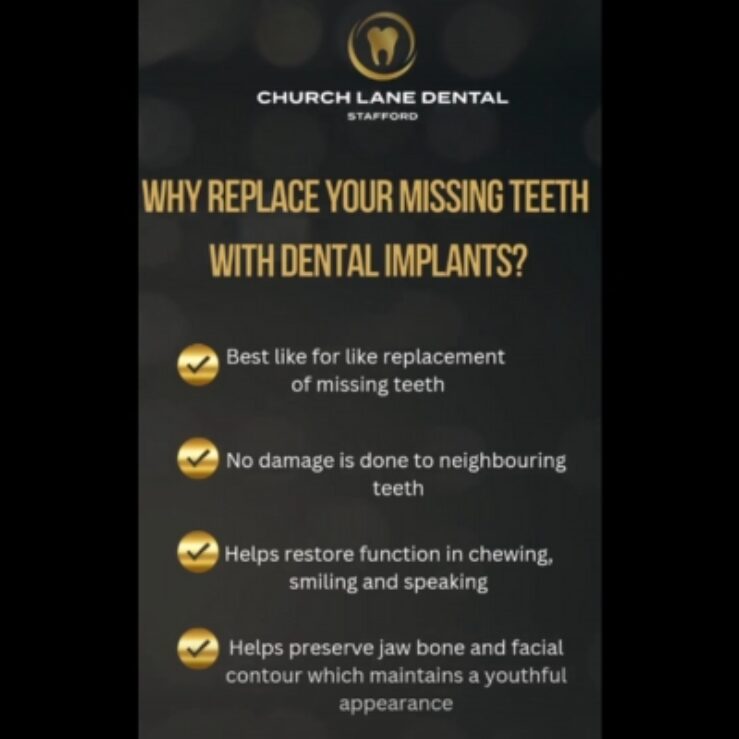
Private treatment gives more room for personalised planning. Rather than addressing only the immediate issue, your dentist can look at function, comfort, durability and appearance together. For some people, that means replacing an old metal filling with a natural-looking restoration. For others, it means rebuilding worn teeth, replacing missing teeth with implants or creating a straighter smile.
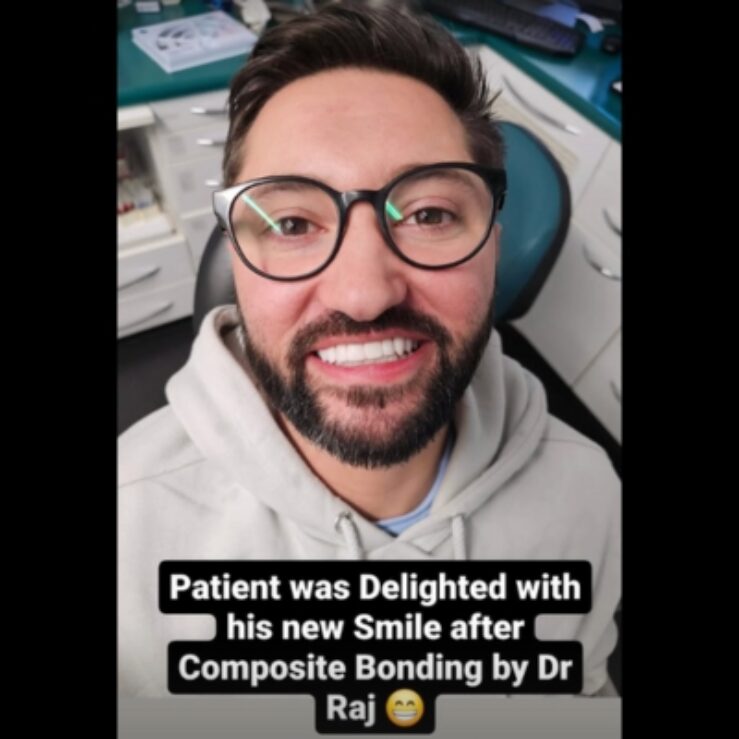
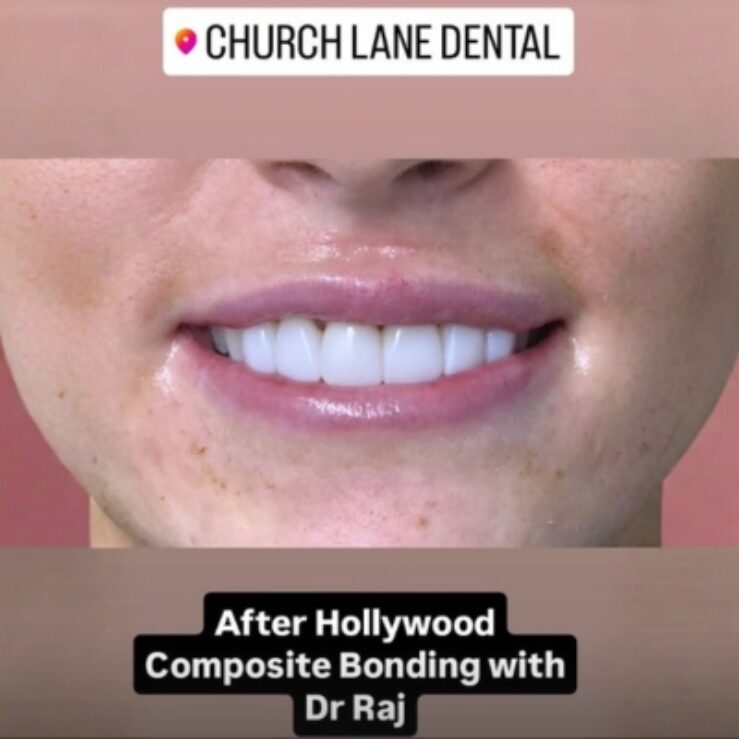
Private care is also often better suited to treatments that require additional planning, technology and review appointments. Invisalign and fixed braces, for example, involve a carefully designed movement plan. Dental implants need detailed assessment and staged treatment. Composite bonding and veneers rely on precise shade matching and shape design to look believable rather than overdone.
That does not mean every patient needs the most extensive option. A good dentist will explain when a simple repair is enough, when a more durable solution may make sense, and when it is sensible to monitor rather than treat straight away.
The practical benefits of private dentistry are often less glamorous than a smile makeover, but just as valuable. You may be able to choose longer appointments, see the same clinician for continuity, arrange treatment in phases and book at times that work around your routine.
Material choice can be important too. Private crowns, bridges and fillings may offer a wider choice of aesthetic and laboratory-made options. The right choice depends on the tooth, your bite, your budget and how visible the area is. A solution that looks excellent at the front of the mouth may not always be the best option for a heavily loaded back tooth.
NHS charges are structured in set bands, whereas private fees vary according to the complexity of care, time involved, materials and laboratory work. This can make private dentistry feel harder to compare at first. The useful question is not only, “What does it cost today?” but also, “What result am I paying for, how long should it last, and what alternatives do I have?”
A transparent practice will provide a written treatment plan before starting non-emergency care. It should explain the recommended treatment, alternatives, expected fees and likely stages. Ask whether temporary work, X-rays, laboratory fees, reviews and future maintenance are included or charged separately.
For larger treatments, payment plans or finance can spread the cost. Membership plans can also help patients budget for regular examinations and hygiene care, while encouraging the preventive visits that catch problems early.
Be cautious of choosing solely on the lowest headline price, particularly for complex work such as implants, orthodontics or veneers. Experience, diagnostics, aftercare, materials and the ability to manage complications all matter. Value is about a well-planned result that protects your health, not simply getting through an appointment cheaply.
Anxiety is one of the biggest reasons people delay care, whether they are considering NHS or private treatment. It can be triggered by a previous bad experience, embarrassment about the condition of your teeth, fear of injections or concern about being judged.
You deserve calm, respectful care. Tell the practice when you book that you feel anxious, even if you are only coming in for an emergency assessment. A patient-centred dentist can slow the pace, explain each stage, agree a stop signal and discuss pain-control options. For more severe anxiety or longer procedures, sedation may be appropriate following a proper assessment.
The first appointment does not have to commit you to treatment. It can simply be the point where you understand the problem and regain a sense of control.
For ongoing family care, consistency matters. Regular examinations, hygiene advice and early intervention can prevent smaller concerns becoming emergencies. If you can access suitable NHS appointments and are happy with the service available, that may meet your needs well.
Private dentistry may be a better fit if your household needs flexible appointment times, rapid access when problems arise, or a practice that can provide routine, emergency, restorative, orthodontic and cosmetic care in one place. It can also be useful when family members have different needs, from a nervous child attending their first visit to an adult considering implants or teeth straightening.
Before booking, ask how quickly the practice can see you, whether it accepts urgent walk-ins, what happens outside usual hours, and how fees will be explained. These details tell you a great deal about the care experience you can expect.
A healthy smile should not depend on whether a problem appears at a convenient time. Choose the route that gives you confidence to seek care early, ask clear questions and keep your dental health moving in the right direction.
Back to blog
Quickly match your needs with the right dental treatment using our simple treatment finder.
Have questions or ready to book? Reach out, and our team will guide you every step of the way.


Follow us on Instagram for real patient transformations, behind the scenes updates and the latest offers. It’s the easiest way to stay connected and inspired on your smile journey.
EXPLORE