Staffordshire's highest rated dental practice - we guarantee the best quality dental care at great prices! Full range of dental care available - we can do everything under one roof!



A cracked tooth that keeps you awake, a swollen gum, or a tooth that has suddenly become loose can make one question feel urgent: is tooth extraction necessary? Not always. Modern dentistry is built around preserving healthy natural teeth wherever possible. But when a tooth cannot be predictably repaired, removing it can be the safest way to stop pain, protect nearby teeth and restore your confidence.
The right answer comes from a proper examination, not from how painful the tooth feels on one particular day. Some severe toothaches can settle with a root canal treatment and a crown. Equally, a tooth that barely hurts may have advanced infection or damage beneath the gum line. A dentist needs to assess the whole picture before recommending removal.
Pain alone does not mean a tooth needs to come out. Toothache can be caused by decay, a failing filling, a cracked tooth, gum infection, an abscess, grinding, or an exposed tooth root. Many of these problems can be treated while keeping the tooth in place.
If decay has reached the nerve, root canal treatment may remove the infection from inside the tooth. A crown can then protect what remains from further cracking. If a tooth has a smaller fracture or worn edges, bonding, a new filling or a crown may provide a strong, natural-looking solution. Prompt care matters because these options are usually more successful before damage becomes extensive.
However, an infected tooth should never be ignored just because the pain has eased. Pressure from an abscess can reduce temporarily if it drains, but the source of the infection remains. Swelling in the face or jaw, a bad taste, fever, difficulty swallowing, or trouble breathing needs urgent dental attention. These symptoms can indicate an infection that requires immediate treatment.
Dentists do not recommend extraction lightly. Your natural tooth is designed to support your bite, maintain the shape of the jaw and work alongside the teeth around it. Yet there are situations where keeping a tooth would mean repeated pain, unreliable treatment or a risk to your wider oral health.
Extraction may be advised when decay has destroyed too much of the tooth to support a filling or crown. It can also be necessary when a crack runs deep below the gum line or into the root, where it cannot be sealed predictably. In these cases, trying to repair the tooth may only delay a problem that will return.
Advanced gum disease is another common reason. When infection has damaged the bone and tissues supporting a tooth, it may become very loose. Saving it is not always possible, and leaving it in place can make it harder to manage the health of surrounding teeth.
A severely infected tooth may also need removal if root canal treatment is unlikely to succeed or if the tooth has already had treatment and cannot be retreated effectively. This is not a failure on the patient’s part. Teeth can break down over many years, particularly after old restorations, trauma, decay or heavy clenching.
Wisdom teeth are different again. They are often removed when they are repeatedly infected, partly trapped beneath the gum, damaging the tooth in front, or contributing to crowding and decay that cannot be kept clean. A wisdom tooth that is healthy, fully erupted and easy to clean may not need to be removed at all.
What you can see in the mirror is only part of the story. An X-ray can show decay between teeth, infection around the root, bone loss from gum disease, the shape of the roots and the position of nearby structures. It helps the dentist judge whether a tooth has a realistic long-term prognosis.
This is where the trade-off becomes clearer. Saving a tooth is usually preferable when treatment has a good chance of lasting. But a complex restoration on a badly compromised tooth can sometimes cost more, take longer and offer less certainty than extraction followed by a planned replacement. The best choice depends on the condition of the tooth, your bite, your general health, your priorities and what you want your smile to look and feel like in the years ahead.
A good treatment conversation should be straightforward. You should understand what can be done to save the tooth, why extraction is being considered, what may happen if you wait, and whether the space should be replaced afterwards. If you are anxious, say so. A calm pace, clear explanations and sedation options can make even urgent care feel far more manageable.
Waiting can turn a repairable problem into one that requires removal. Decay can spread deeper, a crack can widen, and infection can travel into the bone around the root. As a result, treatment may become more complex and more uncomfortable.
There are also consequences after a tooth is lost. Nearby teeth can gradually tilt into the gap, and the opposing tooth may over-erupt because it no longer meets anything when you bite. A missing back tooth can alter chewing; a missing front tooth can affect speech and confidence. Bone in the area can reduce over time because it no longer receives the stimulation of a tooth root.
That does not mean every gap must be filled. For some people, particularly after a wisdom tooth extraction, no replacement is needed. For others, replacing the tooth helps preserve function, appearance and bite stability. The decision should be tailored, not assumed.
If removal is necessary, it can also be the first step towards a stable, comfortable result. The main replacement options are a dental implant, a bridge or a removable denture.
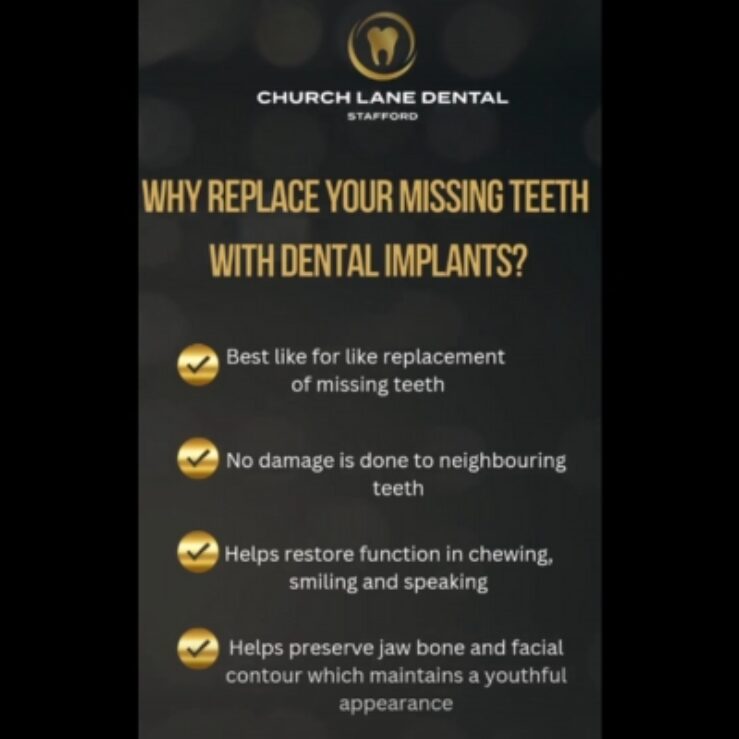
A dental implant replaces the root as well as the visible tooth and can provide a secure, natural-feeling result without preparing neighbouring teeth. It does require sufficient bone, a healing period and a careful assessment. A bridge may be a suitable fixed option when the teeth next to the gap would benefit from crowns or where an implant is not right for you. A removable denture can replace one or several teeth and may be used as a short-term or longer-term solution.
In some urgent situations, the priority is simply to remove infection and get you comfortable. Replacement planning can follow once the area has healed. This can be reassuring if you are in pain: you do not need every decision settled before your emergency appointment.
A planned extraction is usually carried out under local anaesthetic, so you should feel pressure but not sharp pain. Some teeth are straightforward to remove, while others, such as broken teeth or wisdom teeth, may require a more involved procedure. Your dentist will explain what is involved before treatment begins.
Afterwards, a blood clot forms in the socket and protects the healing area. Follow the aftercare instructions carefully. Rest, avoid vigorous rinsing on the first day, do not smoke, and choose softer foods until chewing is comfortable. Some tenderness and swelling are normal, but worsening pain a few days after treatment, persistent bleeding, swelling or fever should be checked promptly.
For patients in Staffordshire who are dealing with severe pain, swelling or a broken tooth, Church Lane Dental provides urgent appointments seven days a week, including evenings, weekends and bank holidays. An early assessment can often save a tooth – and when it cannot, it gives you a clear, safe plan without unnecessary delay.
No one wants to hear that a tooth needs to be removed. But the aim is never simply to take a tooth out. It is to relieve pain, control infection and protect the healthiest possible future for your smile. Getting examined early gives you the greatest choice – whether that means saving the tooth or moving forward with a replacement that lets you eat, speak and smile with confidence.
Back to blog
Quickly match your needs with the right dental treatment using our simple treatment finder.
Have questions or ready to book? Reach out, and our team will guide you every step of the way.


Follow us on Instagram for real patient transformations, behind the scenes updates and the latest offers. It’s the easiest way to stay connected and inspired on your smile journey.
EXPLORE