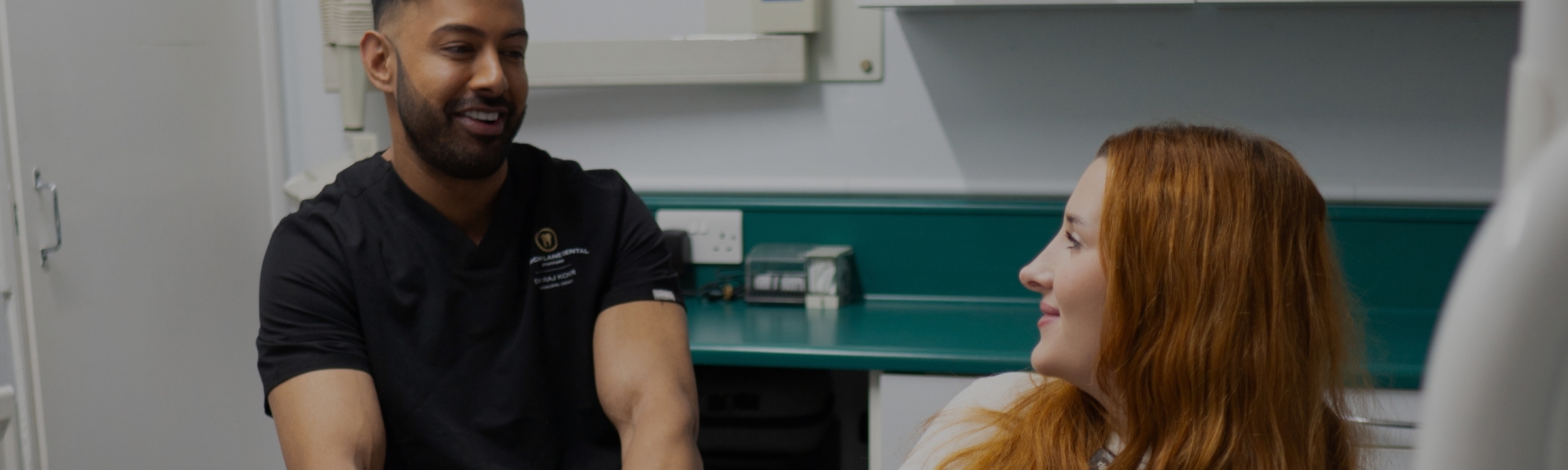
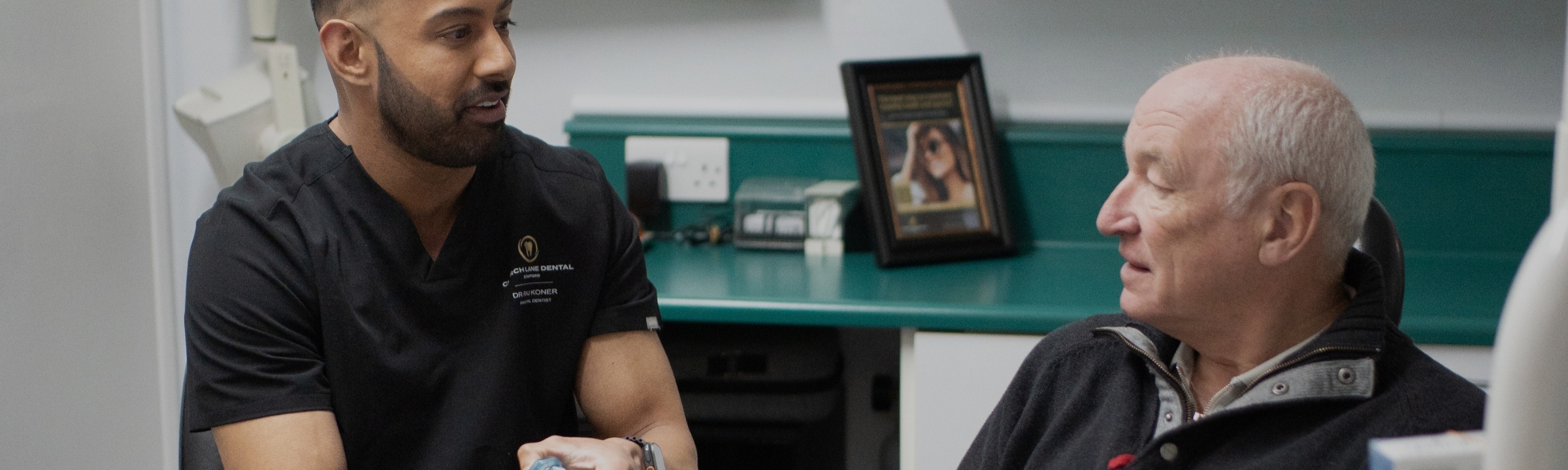
Staffordshire's highest rated dental practice - we guarantee the best quality dental care at great prices! Full range of dental care available - we can do everything under one roof!



A dental appointment can feel like a small task to one person and a major challenge to another. If you are wondering how to manage dental anxiety, the first step is recognising that fear is not a personal failing. It is a real response, often shaped by a previous difficult experience, worry about pain, embarrassment about your teeth or simply not knowing what will happen next.
The right dental team will not expect you to “just get on with it”. They should listen, explain your options clearly and give you control at every stage. With the right preparation and support, many nervous patients find that attending becomes far more manageable than they expected.
Dental anxiety is not always about the treatment itself. Some people worry about injections, drilling sounds or feeling unable to speak while in the chair. Others have delayed appointments for years and fear being judged for the condition of their teeth. For busy adults, there can also be anxiety around finding time for care, arranging childcare or worrying that a problem will become expensive.
Avoiding the dentist can bring short-term relief, but it can allow small issues to progress into toothache, infection or a dental emergency. That does not mean you need to force yourself through an appointment before you are ready. It means choosing a practice and an approach that help you take the next step at a pace you can cope with.
Tell the practice that you are nervous when you book. This gives the team a chance to allow enough time, answer questions beforehand and make suitable arrangements for your visit. You do not need a detailed explanation if you do not want to give one. A simple “I am very anxious about dental treatment” is enough to start the conversation.
If possible, book at a time that works with your routine rather than squeezing it into an already stressful day. Some patients prefer an early appointment so they have less time to worry. Others feel calmer in the evening or at the weekend, when work and family pressures are lower. There is no universal best time – choose the one that gives you the greatest sense of control.
Avoid arriving overly early if sitting in the waiting area makes anxiety build. Give yourself enough time to arrive without rushing, but not so much that you are left replaying every concern. Wear comfortable clothes, bring headphones if music helps and consider asking a trusted friend or family member to come with you.
It can also help to write down what you want to ask. Anxiety makes it easy to forget information, especially when you are already tense. Your list might include what treatment is needed, whether there are alternatives, how long it will take, what you will feel and how costs will be discussed.
A calm appointment starts with clear communication. Before any examination or treatment begins, ask your dentist to talk you through what will happen and to explain things in manageable stages. You are entitled to understand your treatment plan, including why it is recommended and what your options are.
Agree a stop signal. Raising your hand is a simple, effective choice. It means you can pause if you need a break, feel uncomfortable or want something explained again. Knowing that you can stop the treatment often makes it easier to continue.
You can also ask your dentist to avoid surprises. Some patients want a full explanation before each step. Others would rather hear only what they need to know at the time, as too much detail increases their worry. Be honest about which approach helps you most.
A good plan may cover four practical points:
For patients who have avoided dentistry for a long time, starting with a consultation or examination can be a positive first goal. You do not have to commit to every part of a larger treatment plan on the same day. Building trust through one manageable visit is progress.
Anxiety often shows up physically before you have had time to think through it. Your heart may race, your breathing may become shallow and your muscles may tighten. Slowing that response can make a meaningful difference.
Try steady breathing while you wait: breathe in gently through your nose for four counts, then breathe out slowly for six. The longer out-breath signals to your body that it is safe to reduce its alert response. Repeat this several times rather than trying to take one very deep breath.
Grounding can help when your thoughts begin racing ahead. Notice the contact of your feet with the floor, the support of the chair and three things you can see around you. During treatment, focus on a piece of music, count your breaths or picture a familiar place. These techniques will not erase anxiety completely, but they can stop it from taking over the moment.
Try not to rely on alcohol or recreational drugs to get through an appointment. They can interact with medicines, affect consent and make treatment less safe. If you think you may need medication to manage severe anxiety, discuss this with the dental team and your GP where appropriate.
Fear of pain is one of the most common reasons people delay care. Modern local anaesthetic is highly effective, and your dentist should check that you are comfortable before starting treatment. If you have previously felt pain during dental work, say so. This information helps your clinician tailor your care and take extra time with numbing techniques.
For some patients, reassurance and local anaesthetic are enough. For others, sedation dentistry may be suitable. Sedation is designed to help you feel deeply relaxed during treatment while the dental team monitors you carefully. It does not suit every person or every procedure, so your dentist will review your medical history, treatment needs and travel arrangements before recommending it.
Sedation can be particularly helpful if you have a strong gag reflex, need a longer course of treatment or feel unable to attend without additional support. You will usually need an adult to take you home afterwards, and you should plan a quiet rest of the day. The trade-off is extra preparation, but for many nervous patients it makes essential care feel possible.
It is tempting to wait until you feel completely fearless before booking. In reality, confidence usually comes after a series of manageable experiences, not before them. A first visit may simply involve meeting the team, sitting in the chair and having a conversation. The next may be an examination, hygiene visit or a small repair.
If you need urgent help, do not let anxiety persuade you to wait through severe pain, swelling, bleeding or a broken tooth. Explain that you are nervous when you call. An urgent appointment can focus first on getting you comfortable and stabilising the problem, with longer-term care discussed once the immediate pressure has eased.
At Church Lane Dental, anxious patients can discuss personalised care, including sedation where appropriate, in a welcoming setting designed to make treatment feel less daunting. The aim is never to rush you through a process you do not understand, but to help you move forward safely.
After your appointment, avoid judging yourself by whether you felt anxious. Judge it by the fact that you attended, communicated what you needed and took care of your health. Each positive visit gives you evidence that dentistry can be calm, respectful and within your control.
The next step does not have to be a perfect one. It only needs to be small enough to take: make the call, ask for a nervous-patient appointment or book a consultation. Your smile deserves care, and you deserve to receive it without feeling alone in the chair.
Back to blog
Quickly match your needs with the right dental treatment using our simple treatment finder.
Have questions or ready to book? Reach out, and our team will guide you every step of the way.


Follow us on Instagram for real patient transformations, behind the scenes updates and the latest offers. It’s the easiest way to stay connected and inspired on your smile journey.
EXPLORE