Staffordshire's highest rated dental practice - we guarantee the best quality dental care at great prices! Full range of dental care available - we can do everything under one roof!



A smile makeover is not one fixed treatment with one fixed price. It is a personal plan that may correct tooth position, improve colour, repair wear or replace missing teeth – sometimes with subtle changes, sometimes through a complete transformation. This guide to smile makeover costs explains what shapes your investment, where you can make sensible choices and why a proper clinical assessment matters before comparing figures.
The right plan should not simply look good in photographs. It should be designed around your oral health, bite, facial features and the result you want to see every day. That is why two patients asking for a brighter, straighter smile can receive very different recommendations.
A smile makeover can combine cosmetic and restorative dentistry to improve the appearance and function of your teeth. For some people, professional whitening and composite bonding are enough to create a fresher, more balanced smile. Others may need Invisalign treatment to straighten teeth first, followed by whitening or edge bonding for the final detail.
Where teeth are heavily worn, fractured, missing or affected by old restorations, a plan might include veneers, crowns, implants or bridges. Gum health may also need attention before cosmetic work begins. This is not an unnecessary extra: healthy gums and stable teeth are the foundation of results that last.
Your clinician will assess your teeth, gums and bite, then discuss the order of treatment. It can be tempting to focus on the visible front teeth, but treating the underlying cause of crowding, grinding or gum inflammation first can protect your investment.
The overall cost depends on the treatments involved, the number of teeth being enhanced and the complexity of your starting point. A small improvement to two chipped front teeth is naturally very different from rebuilding a full smile affected by tooth wear or missing teeth.
Whitening is often one of the most accessible ways to refresh a smile, while composite bonding can reshape, repair or balance individual teeth. Both can offer impressive changes with less tooth preparation than more extensive options.
Porcelain veneers and crowns usually involve more laboratory work, planning and clinical time, which is reflected in their cost. Veneers are designed primarily to improve the visible surface of a tooth, whereas crowns cover and protect a tooth that may be weakened as well as improving its appearance.
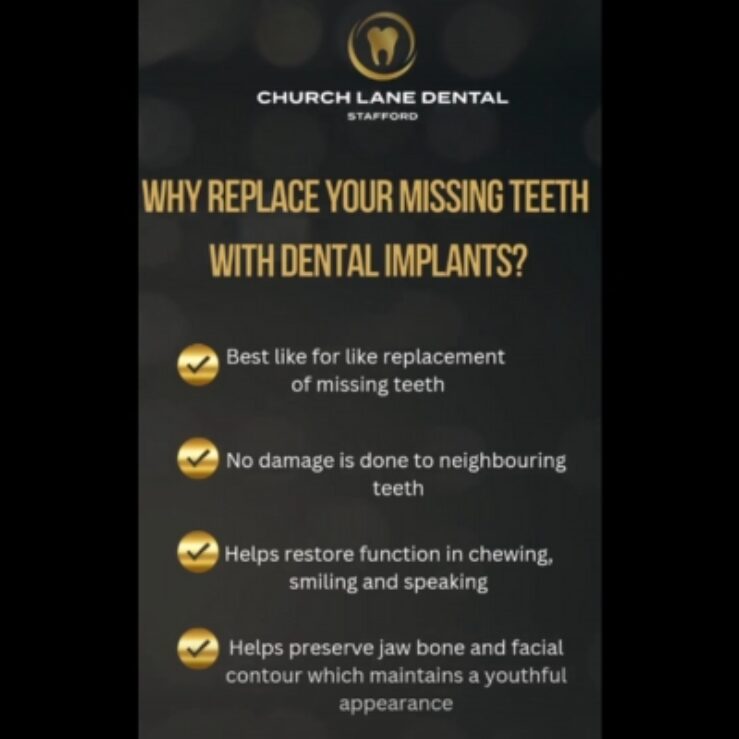
Invisalign and fixed braces are priced according to the complexity and duration of tooth movement. A short course for mild crowding will usually differ from comprehensive treatment that corrects more significant alignment or bite concerns. If missing teeth are part of the picture, dental implants involve surgical placement, healing time and a final restoration, so they are commonly a larger element of a makeover budget.
Cosmetic treatments are often planned in the visible smile zone, but the exact number varies. Treating one tooth may be appropriate after an accident or a single discoloured restoration. For a balanced result, however, bonding, veneers or whitening may need to extend across several teeth.
A dentist should explain why a particular number has been recommended. The aim is not to add treatment unnecessarily; it is to avoid an uneven shade, shape or symmetry once you smile naturally.
Decay, gum disease, failing fillings, infection or tooth grinding can affect both the timing and cost of a smile makeover. These issues need to be diagnosed and managed before elective cosmetic treatment. Trying to place veneers or bonding onto unhealthy teeth can lead to disappointment and further expense.
Some patients also need a hygienist visit, repairs to existing teeth or a bite assessment before moving ahead. Clear planning makes these stages visible from the start, rather than presenting unwelcome surprises later.
A well-planned smile makeover includes more than the final cosmetic material. It can involve photographs, digital scans, shade selection, mock-ups and careful bite checks. For more complex cases, temporary restorations and laboratory-made work may be part of the process.
These details matter because the most natural smiles are rarely created by choosing the brightest possible shade or making every tooth identical. Shape, translucency, proportion and how your teeth meet all influence the result. The lowest quote may not include the same planning, materials, aftercare or expertise, so compare like for like.
There is no useful one-size-fits-all price for a smile makeover, but it helps to think in stages. A modest enhancement may focus on whitening and a small amount of composite bonding. A mid-range plan may combine orthodontics with whitening and bonding. More comprehensive rehabilitation involving multiple porcelain restorations, implants or extensive bite correction will require a greater investment and often takes longer to complete.
Ask for a written treatment plan that sets out each recommended stage and its fee. You should understand what is essential for health, what is elective for appearance and what can reasonably wait. In many cases, you do not have to complete every element at once.
For example, straightening teeth before bonding can reduce the amount of composite needed. Whitening before selecting the final shade for bonding, veneers or crowns can also make future colour matching simpler. Phasing treatment can be kinder to your budget while still keeping the final goal in view.
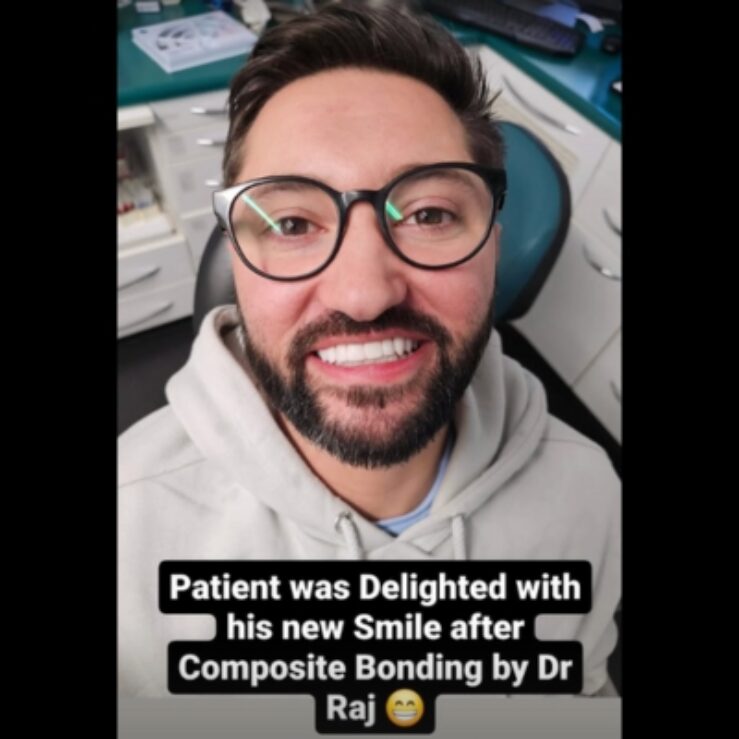
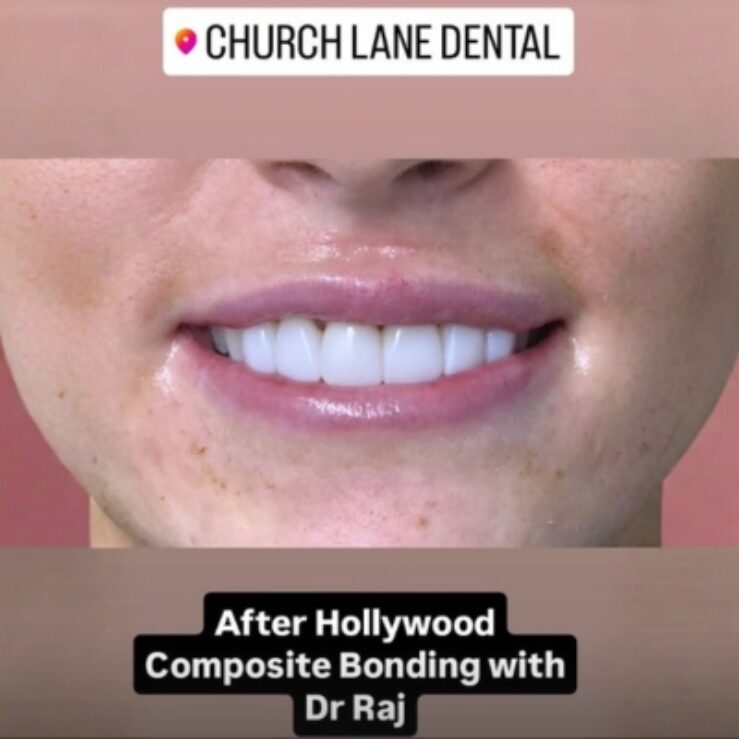
Composite bonding can be an excellent choice for small chips, gaps, uneven edges and minor shape concerns. It is usually completed more quickly than orthodontics or porcelain work, but it may stain, chip or need maintenance over time. Regular hygiene care and avoiding habits such as biting nails or opening packaging with teeth will help protect it.
Veneers can create a highly refined change to colour and shape, especially where enamel is discoloured, worn or uneven. They are not automatically the best answer for every crooked smile. If teeth are healthy but misaligned, orthodontics may preserve more natural tooth structure and produce a stronger long-term foundation.
The best choice depends on your teeth, timeline and priorities. A clinician should be open about the trade-offs, including durability, maintenance, tooth preparation and future replacement costs.
The cost of a confident smile includes looking after it. Whitening needs occasional top-ups, composite bonding can need polishing or repair, and retainers are essential after orthodontic treatment to help keep teeth in position. Crowns, veneers and implants still require excellent brushing, interdental cleaning and routine examinations.
If you grind your teeth, a protective night guard may be recommended. This can be a small but valuable part of protecting cosmetic work from chips, cracks and excessive wear. Your plan should include practical aftercare advice, not just the day your treatment is fitted.
A useful consultation should leave you clear, not pressured. Ask which treatments are needed before cosmetic work can begin, what alternatives are suitable and how long each route will take. You can also ask what the quoted price includes, whether scans, retainers, temporary restorations or review appointments are separate, and what maintenance may be needed in future.
It is also sensible to discuss finance options if you would prefer to spread the cost. Finance can make a carefully planned treatment more manageable, but the decision should still be based on what is right for your oral health and budget, not on a monthly figure alone.
At Church Lane Dental, smile makeover planning is built around a tailored assessment, with treatment options explained clearly so you can decide with confidence. Whether you are considering a small cosmetic refresh or a full restorative plan, the goal is the same: a healthy smile that feels like yours.
The most valuable next step is a consultation where you can talk honestly about what you would like to change, what you are comfortable investing and how quickly you want to get there. A clear plan turns a vague idea of a better smile into practical, achievable choices.
Back to blog
Quickly match your needs with the right dental treatment using our simple treatment finder.
Have questions or ready to book? Reach out, and our team will guide you every step of the way.


Follow us on Instagram for real patient transformations, behind the scenes updates and the latest offers. It’s the easiest way to stay connected and inspired on your smile journey.
EXPLORE