Staffordshire's highest rated dental practice - we guarantee the best quality dental care at great prices! Full range of dental care available - we can do everything under one roof!



A brighter smile, a replacement tooth or the end of recurring dental pain should not feel out of reach simply because the full cost arrives at once. This guide to dental finance options is designed to help you understand how spreading the cost may work, what to ask before you commit and how to choose a payment route that feels comfortable for you.
Dental treatment is personal. So is the right way to pay for it. A same-day emergency visit has different priorities from a carefully planned Invisalign journey or implant treatment. The most useful starting point is not choosing a finance product first. It is understanding your clinical needs, your treatment plan and the total cost involved.
Private dentistry gives you access to a wide choice of treatments, appointment times and materials, but it also means planning for the cost of care. For some patients, paying in full is the simplest option. For others, finance can make larger treatments more manageable by breaking the cost into regular monthly payments.
This can be particularly helpful for elective and restorative treatments where the benefits build over time, such as dental implants, teeth straightening, veneers or extensive smile rehabilitation. It may also help families plan necessary care without delaying treatment that could become more complex later.
Finance is not automatically the best choice for everyone. You should only take on monthly repayments that fit reliably within your household budget. The value is in having a clear, informed choice rather than feeling pressured to make a decision during an appointment.
The options available will vary by practice, treatment type and your individual circumstances. A good practice should explain them clearly before you agree to proceed, including the treatment cost, any deposit required and what each monthly payment covers.
Paying for treatment in full can be straightforward, especially for routine appointments, hygiene visits, small repairs or urgent care. You know the cost is settled and there are no future repayments to manage.
For larger treatment plans, paying in full may suit patients who have already saved for their care or prefer not to enter a credit agreement. Ask for a written estimate so that you can see what has been included, such as consultations, scans, laboratory work, reviews and any planned aftercare.
Dental finance is a form of credit that can allow eligible patients to spread the cost of treatment over an agreed period. Depending on the arrangement offered, there may be interest-free terms for a set time or interest-bearing options with a longer repayment period.
The headline monthly figure matters, but it is not the only number to consider. Check the deposit, length of the agreement, total amount repayable and annual percentage rate where interest applies. A lower monthly payment can be attractive, yet a longer term may mean paying more overall.
Applications are usually subject to status and affordability checks. Approval is never guaranteed, and the provider will set its own eligibility criteria. Read the agreement carefully before signing, particularly the provisions around missed payments, early settlement and cancellations.
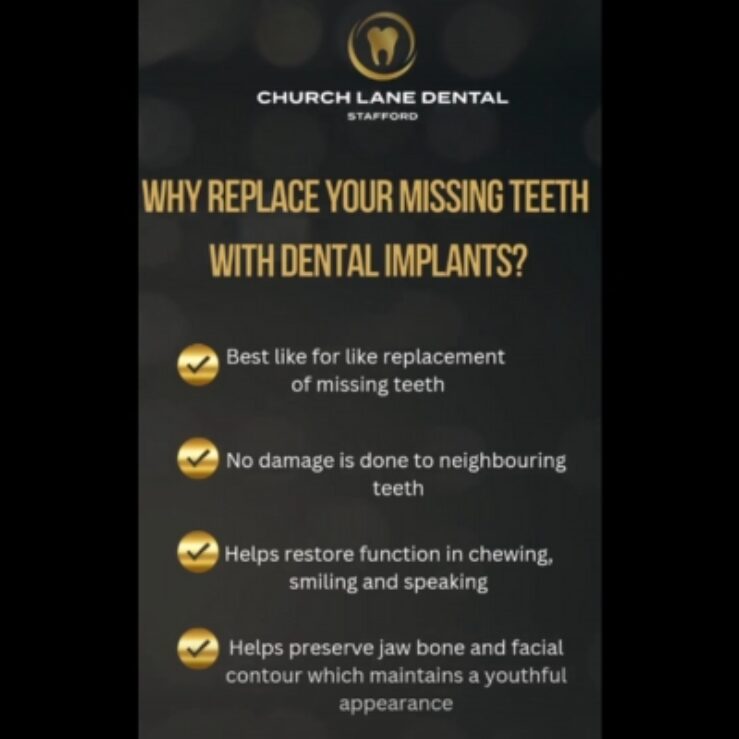
Some complex treatments are naturally delivered in stages. Dental implants, for example, can involve assessment, planning, placement, healing and the final restoration. Orthodontic treatment also requires ongoing monitoring over many months.
A staged clinical plan does not always mean the cost is automatically split in the same way, so ask how payments are scheduled. You may be asked for a deposit before treatment begins, with the remaining balance paid through finance, instalments or at key treatment stages. Clarity here avoids surprises and lets you plan with confidence.
A dental membership plan is generally designed to support routine, preventive care through regular monthly payments. It may include a set number of examinations, hygiene appointments or other benefits, depending on the plan.
Finance, by contrast, is usually used to spread the cost of a particular course of treatment. A membership plan may help you stay on top of your oral health and identify concerns earlier, but it will not necessarily cover the full cost of cosmetic, orthodontic or restorative work. Ask exactly what is included and whether any discounts apply to additional treatment.
It is tempting to compare treatments by one figure. However, a meaningful estimate should reflect the standard of care behind it. With implants, for example, planning, imaging, the quality of components, clinician experience, restoration design and follow-up all affect both the fee and the long-term result.
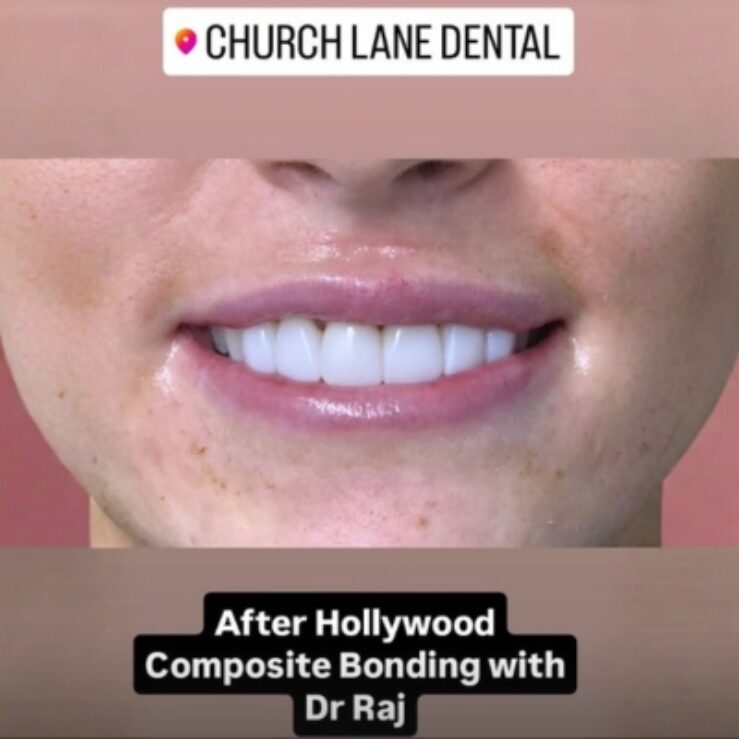
The same is true for teeth straightening and cosmetic dentistry. A lower upfront price may not include retainers, refinement aligners, whitening, composite bonding, scans or review appointments. It does not mean one plan is always better than another, but it does mean like-for-like comparisons are essential.
At Church Lane Dental, the aim is to give patients a tailored plan before they make a financial decision. That means discussing what is clinically suitable, which elements are optional and what result you can realistically expect. If you are considering Invisalign or braces, a free consultation can be a useful chance to explore your options without rushing into treatment.
Before agreeing to finance, take a moment to ask practical questions. You do not need to be an expert in credit agreements. You simply need information that is clear enough to make a decision you are happy with.
Ask whether the quoted price includes every planned stage of treatment and what could create an additional charge. Find out how much deposit is due, when monthly payments begin and how long they will continue. If interest is payable, ask for the total amount repayable rather than focusing only on the monthly cost.
It is also sensible to ask what happens if your clinical needs change after treatment has started. Dentistry can occasionally reveal issues that were not visible at the first appointment. Your dentist should explain the options if further care becomes necessary and discuss costs before carrying out additional work wherever possible.
Finally, confirm the cancellation and refund position, particularly for bespoke work such as aligners, laboratory-made restorations or implant components. These treatments often involve costs being incurred early in the process.
When you are in pain, have a broken tooth or notice swelling, your first priority is getting assessed quickly. Do not put off urgent care while trying to work out every detail of a longer-term payment plan. A prompt examination can relieve pain, protect your oral health and identify whether treatment is needed immediately.
For patients needing rapid support, Church Lane Dental offers emergency appointments from £25, including evening, weekend and bank holiday availability. Once the immediate problem is under control, your dentist can explain any further treatment required and the payment options that may be available.
An emergency appointment is different from committing to a full treatment plan. It gives you the opportunity to understand the issue, receive appropriate care and make the next decision with more information and less pressure.
The right repayment period is one that supports your treatment without creating strain elsewhere. Before applying, look honestly at your essential monthly outgoings, existing credit commitments and any changes you expect in the months ahead. A payment that looks manageable on a good month should still be manageable when life is less predictable.
Avoid borrowing more simply because a higher amount is available. Your treatment plan should be based on clinical need and the outcome you want, not a credit limit. If a phased approach would suit you better, discuss it. In some cases, completing essential restorative work first and cosmetic enhancements later is a sensible route.
For nervous patients, clear financial information can be as reassuring as a gentle clinical approach. Take time to read the paperwork, ask questions in plain language and bring someone with you to a consultation if that helps. Good decisions rarely need to be rushed.
Your smile deserves thoughtful care, and your budget deserves the same. Once you understand the full plan, the total cost and the commitments involved, you can move forward with treatment feeling informed, comfortable and in control.
Back to blog
Quickly match your needs with the right dental treatment using our simple treatment finder.
Have questions or ready to book? Reach out, and our team will guide you every step of the way.


Follow us on Instagram for real patient transformations, behind the scenes updates and the latest offers. It’s the easiest way to stay connected and inspired on your smile journey.
EXPLORE