Staffordshire's highest rated dental practice - we guarantee the best quality dental care at great prices! Full range of dental care available - we can do everything under one roof!



A crooked front tooth in photographs, teeth that have shifted since childhood, or a bite that feels harder to clean can all be good reasons to act. This guide to adult orthodontics explains what treatment can realistically change, how to choose between braces and clear aligners, and what to expect before you commit.
Adult teeth can move at any age. The good news is that orthodontic treatment is not reserved for teenagers. With the right planning, adults can straighten their teeth discreetly, improve how their bite meets and make day-to-day cleaning easier. The best option depends on your teeth, your lifestyle and the result you want to achieve.
For some people, the decision is about confidence. You may cover your smile when you laugh, avoid close-up photos or feel self-conscious during work meetings. For others, it is more practical: crowded teeth can trap plaque, overlapping teeth can be difficult to floss, and teeth that bite unevenly may place excess pressure on certain areas.
Orthodontics can address crowding, gaps, protruding teeth, mild to more complex bite concerns and teeth that have moved after previous treatment. It can also create a healthier, more balanced foundation before cosmetic dentistry, such as whitening, bonding or veneers.
That said, straight teeth are not automatically healthy teeth. If there is active gum disease, untreated decay, an infection or significant tooth wear, these concerns need attention first. A responsible plan looks at your whole mouth rather than simply moving the teeth that show when you smile.
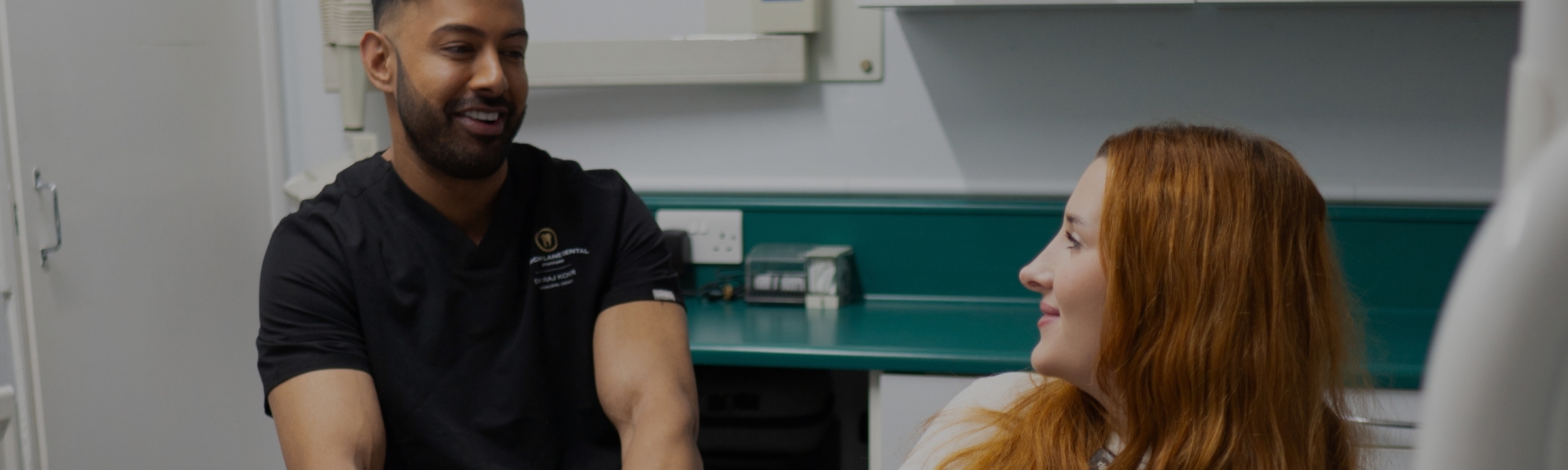
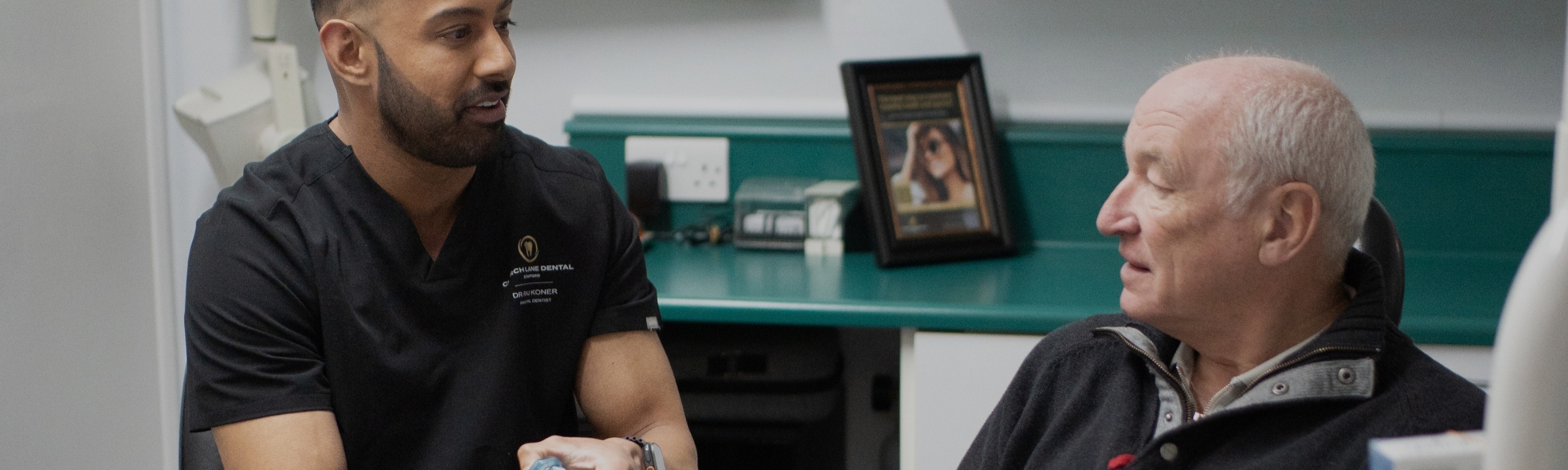
A consultation should be about more than being handed a choice of braces. Your dentist or orthodontic clinician will examine your teeth and gums, assess your bite, discuss your medical and dental history, and take detailed scans or photographs where needed. This makes it possible to see the positions of the roots as well as the crowns of the teeth.
You should also be clear about your priorities. Is your main aim to straighten the upper front teeth? Do you want to improve your bite? Are you working towards a larger smile makeover? These are very different starting points, and they can affect the type, cost and duration of treatment.
Be open about practicalities too. Clear aligners need excellent daily wear, while fixed braces need careful cleaning around the brackets. If you travel often, have a demanding schedule or are worried about appointments, this should shape the treatment plan rather than become an afterthought.
At Church Lane Dental, orthodontic consultations are free, giving you space to ask questions and understand your options before deciding how to proceed.
There is no single “best” orthodontic system. The right choice is the one that can safely achieve your clinical goals and fits the way you live. Your clinician may recommend one option clearly, particularly where a bite is more complex.
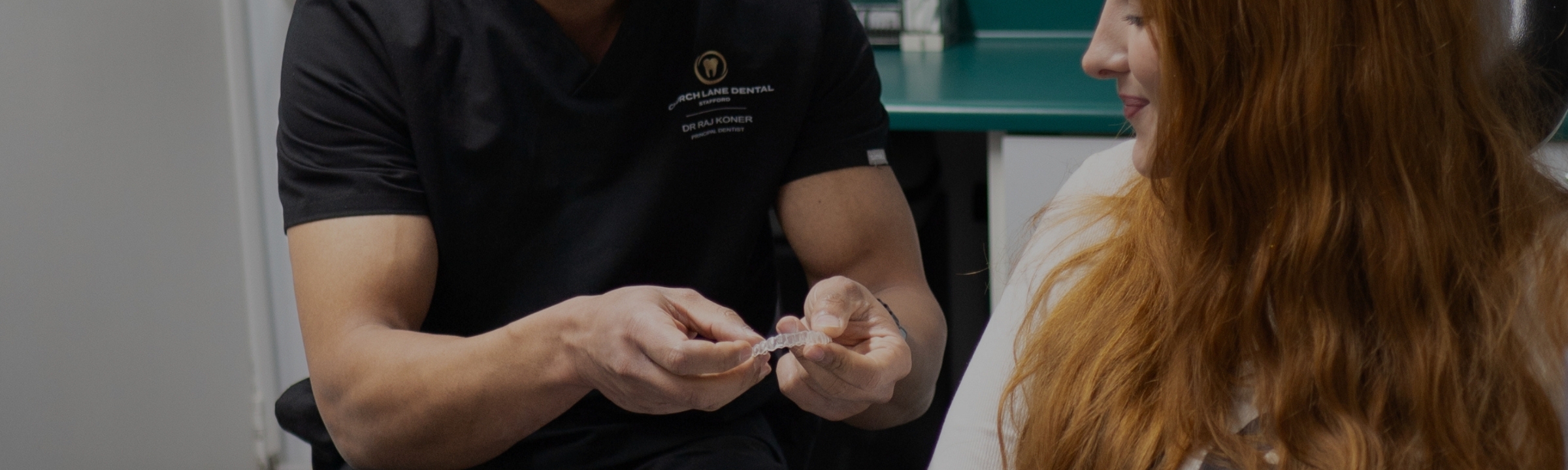
Clear aligners, including Invisalign, use a series of custom-made removable trays to gradually move your teeth. They are popular with adults because they are discreet and can be removed for meals, brushing and special occasions.
They do require commitment. For predictable results, aligners usually need to be worn for around 20 to 22 hours each day. Taking them out for frequent coffees, snacks or nights out can slow progress. They must also be cleaned properly and stored in their case, not wrapped in a tissue and accidentally thrown away.
For suitable cases, clear aligners can offer an excellent balance of discretion and control. Small tooth-coloured attachments may be placed on some teeth to help achieve precise movements. These are temporary, but it is worth knowing about them before treatment starts.
Metal braces remain one of the most reliable ways to move teeth, especially for more complicated alignment and bite issues. They are fixed to the teeth, so there is no question of whether they have been worn for enough hours. Modern brackets are smaller and more comfortable than many adults remember from school.
The trade-off is visibility and cleaning. You will need to brush carefully around brackets and wires, use interdental brushes, and take extra care with hard or sticky foods. For patients who want a highly effective option without the responsibility of removable aligners, metal braces can be a very sensible choice.
Ceramic braces work in a similar way to conventional fixed braces but use tooth-coloured or clear brackets that blend in more naturally. They are less noticeable than metal braces while retaining the controlled movement associated with fixed treatment.
They can be a good middle ground if you prefer a discreet appearance but are not suited to aligners. Like all fixed braces, they need thorough home care and may be more visible in close-up than clear aligners.
Lingual braces sit on the inside surfaces of the teeth, making them hidden when you smile. They can be an appealing choice for people who need fixed treatment but do not want brackets on the front of their teeth.
They are not right for every case, and they can take time to get used to because they sit close to the tongue. Speech may be affected initially, and cleaning can be more demanding. Your clinician can explain whether this is a realistic option for your teeth and bite.
Simple cosmetic alignment can sometimes be completed in a matter of months. More comprehensive orthodontic treatment commonly takes 12 to 24 months, and complex bite correction may take longer. The only meaningful estimate is one based on your individual assessment.
Your treatment time is influenced by how far teeth need to move, the condition of your gums and bone, whether teeth need to be removed or reshaped, and how consistently you follow instructions. With aligners, wear time matters. With braces, attending adjustment appointments and keeping brackets intact matters.
There may be a short adjustment period at the beginning. Teeth can feel tender after new braces are fitted or when moving to a new aligner tray. This is usually manageable and temporary. Fixed braces can rub against the cheeks or lips at first, while aligners can feel tight for the first day or two of a new set.
Once your plan is agreed, treatment begins with fitting your braces or providing your first aligners. You will receive clear instructions on cleaning, eating and managing any initial discomfort. Regular review appointments allow your clinician to check progress, make adjustments and deal with any issues before they become bigger problems.
Good oral hygiene is essential throughout. Brush twice a day with fluoride toothpaste, clean between your teeth daily, and keep up with routine dental examinations and hygiene visits. Orthodontics moves teeth, but it cannot protect them from decay or gum problems caused by missed cleaning.
If you have an urgent concern, such as a broken wire, a loose bracket or a lost aligner, contact your dental team promptly. It may not always be an emergency, but early advice can prevent treatment delays and discomfort.
When braces or aligners come off, your teeth can naturally try to move back towards their previous positions. Retainers hold them in their new places while the surrounding tissues settle. They are not optional if you want to protect the time and investment you have made.
Your plan may include removable retainers to wear at night, a discreet fixed retainer behind the front teeth, or both. Fixed retainers still require cleaning and should be checked at routine appointments. Removable retainers need to be worn as advised and kept safely in their case.
Many adults choose to refresh their smile after orthodontics with professional whitening or small amounts of bonding. This should only be considered once tooth movement is complete and your dentist has confirmed that your teeth and gums are healthy.
Orthodontic fees vary because no two smiles require exactly the same amount of work. The complexity of your bite, treatment system, number of aligners or appointments needed, and whether retainers, scans or cosmetic finishing are included all affect the overall cost.
Ask for a written treatment plan that sets out what is included, expected timings, review appointments and retainer arrangements. It is also sensible to ask how refinements are handled if your teeth do not track exactly as planned. Transparent answers help you compare options fairly, rather than choosing on a headline price alone.
For many busy adults, finance options can make treatment easier to manage by spreading the cost. The focus should always remain on a plan that is clinically right for you, not simply the quickest or cheapest route to straighter teeth.
A confident smile does not need to wait for a quieter year or a perfect diary. Start with a proper assessment, ask the questions that matter to you, and choose a plan you can comfortably follow from the first appointment to long-term retainer wear.
Back to blog
Quickly match your needs with the right dental treatment using our simple treatment finder.
Have questions or ready to book? Reach out, and our team will guide you every step of the way.


Follow us on Instagram for real patient transformations, behind the scenes updates and the latest offers. It’s the easiest way to stay connected and inspired on your smile journey.
EXPLORE