Staffordshire's highest rated dental practice - we guarantee the best quality dental care at great prices! Full range of dental care available - we can do everything under one roof!



A smile can reach a tipping point. Perhaps several teeth have broken down, dentures are moving when you eat, old crowns no longer match, or jaw pain and repeated emergency appointments are starting to affect daily life. Full mouth rehabilitation is designed for this bigger picture: a carefully planned way to restore the health, function and appearance of your whole smile, rather than simply repairing one problem at a time.
It is not a one-size-fits-all makeover. For some people, it means rebuilding badly worn teeth and replacing gaps. For others, it involves stabilising gum health, treating decay, correcting the bite and then improving the look of the teeth. The right plan starts with understanding what has happened to your smile and what you want it to do for you again.
Full mouth rehabilitation, sometimes called full mouth reconstruction, brings together several restorative, cosmetic and functional treatments in one personalised plan. The aim is to create a smile that is comfortable, stable and natural-looking, while helping you chew, speak and smile with confidence.
Treatment may include dental implants, crowns, bridges, veneers, composite bonding, dentures, root canal treatment, gum treatment, tooth whitening or orthodontics such as Invisalign. Not everyone needs every option. A patient with worn but healthy teeth may need a very different approach from someone with missing teeth, active gum disease and failing restorations.
The value of a comprehensive plan is that each treatment supports the next. Replacing a missing tooth without considering the bite, for example, can leave the underlying cause of excessive pressure unresolved. Equally, placing cosmetic veneers before managing decay or gum inflammation can compromise the result. Good rehabilitation deals with foundations first, then restores the smile in the right order.
You do not need to have no teeth left to benefit from this kind of care. It is often appropriate when several issues are affecting comfort, function or confidence at once.
Tooth wear is a common reason. Grinding, clenching, acid erosion and years of normal use can make teeth appear shorter, flatter or more uneven. This may change the way the jaws meet, make teeth sensitive and leave fillings or crowns more likely to chip. Some people notice they are avoiding certain foods or that their face feels tired after chewing.
It can also help where teeth are missing or repeatedly breaking, old dental work is failing, dentures are uncomfortable, or extensive decay has developed over time. Advanced gum disease may need to be brought under control before restorative work can begin. In other cases, a traumatic injury or an uneven bite has left the smile difficult to manage piecemeal.
There is an emotional side too. If you cover your mouth in photographs, avoid laughing freely or dread eating out, that matters. A treatment plan should never be based on appearance alone, but feeling confident in your smile is a valid and worthwhile goal.
A lasting result is built during the assessment, not just in the treatment chair. Your dentist will look at the condition of each tooth, your gums, bite, jaw joints and the way your teeth function together. Digital X-rays and 3D imaging may be used where appropriate, particularly when planning implants or assessing problems beneath existing restorations.
Just as importantly, the conversation should cover your priorities. Are you mainly worried about pain? Do you want to eat normally again? Is the appearance of old crowns bothering you? Do you feel anxious about dental treatment, or need appointments around work and family commitments? These answers shape both the clinical plan and the pace of care.
You may also be asked about grinding, reflux, medication, smoking and general health. These are not small details. If teeth have worn because of clenching, a night guard may protect the final work. If gum disease is active, restoring gum health is essential before investing in crowns or implants.
Once the assessment is complete, you should receive clear recommendations, expected stages and a transparent discussion of costs. There may be more than one suitable route. The best choice balances longevity, appearance, comfort, treatment time and budget rather than pushing every patient towards the same solution.
Where treatment is extensive, the first priority is often to get you comfortable and stable. This could involve treating infection, repairing painful teeth, managing gum disease or providing temporary restorations. If you have attended with severe pain or a broken tooth, urgent care can address the immediate problem while the broader plan is prepared.
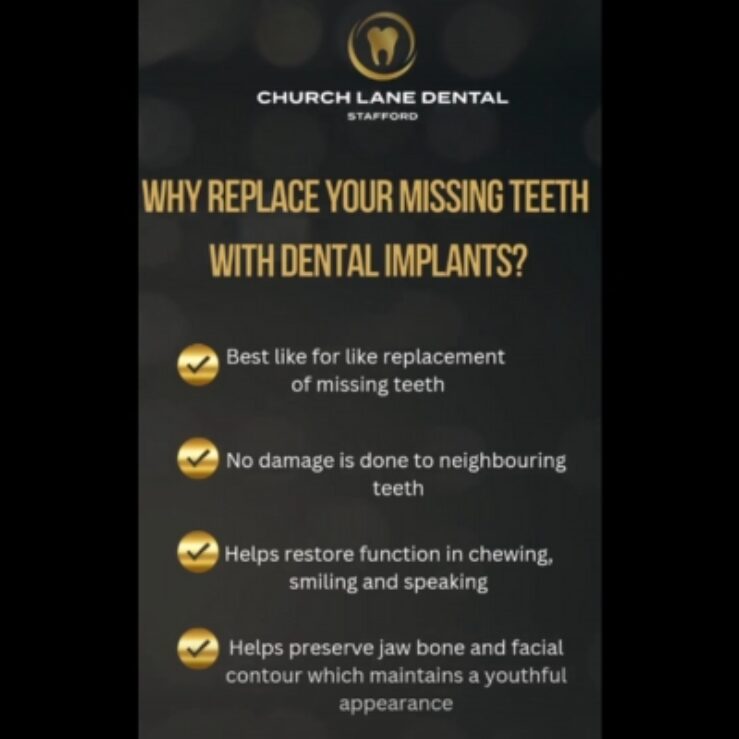
Next comes the restorative phase. Dental implants can replace missing teeth securely and help preserve the jawbone, but they require suitable bone and healthy gums. Bridges can be an effective alternative in the right situation, while modern dentures may be ideal for some patients depending on the number and position of missing teeth.
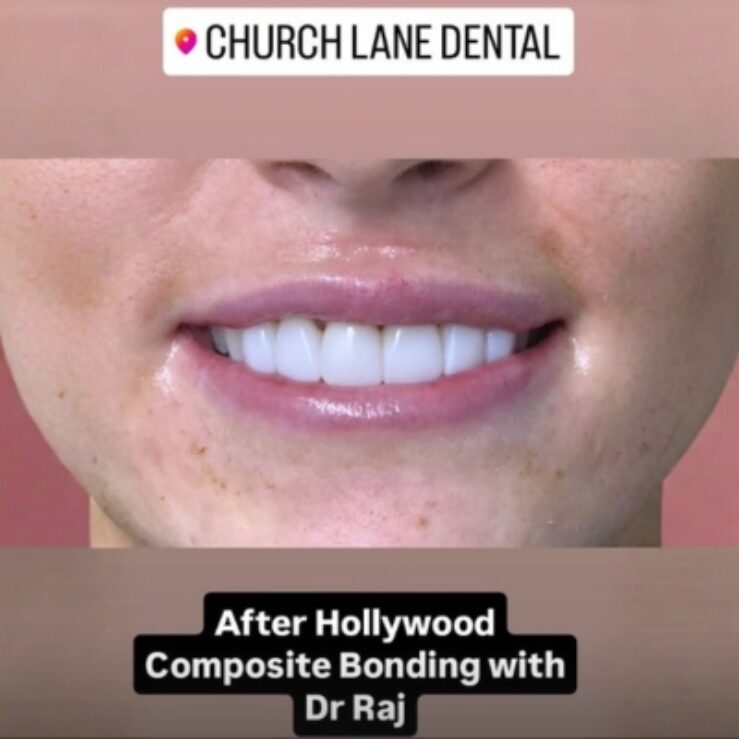
Crowns are often used to protect weakened teeth, while veneers or bonding can refine shape and colour where the underlying tooth is healthy enough. Orthodontic treatment may be recommended before restorative work if moving teeth into a better position would allow a more conservative result. This can mean preserving more natural tooth structure rather than preparing teeth heavily for crowns.
The final stage is about precision. Your dentist checks the bite, comfort, shade, shape and speech, making adjustments where needed. A beautiful result should not feel bulky, awkward or fragile. It should feel like a smile you can use without overthinking it.
Full mouth rehabilitation involves choices, and honest advice matters. Implants offer a fixed option for many people, but treatment takes time and may include healing periods. Bridges can be quicker in some circumstances, but their suitability depends on the neighbouring teeth. Crowns can provide excellent protection for heavily damaged teeth, yet preserving healthy natural enamel is always preferable where possible.
A highly aesthetic result may involve more stages or higher-quality materials. Conversely, a phased approach can spread treatment and costs while dealing with the most urgent issues first. There is no prize for rushing. The aim is a plan you can commit to and maintain.
Maintenance is part of the investment. Even the finest restorations need regular hygiene care, check-ups and good home cleaning. If you grind your teeth, you may need to wear a protective appliance at night. Implants cannot decay, but the gums and bone around them still need attentive care. Looking after your new smile is what gives it the best chance of lasting well.
Feeling worried is common, especially if previous appointments have been painful, rushed or difficult. Extensive treatment can sound daunting when viewed as one large task. In reality, it is organised into manageable appointments, with a clear explanation of what will happen at every stage.
Sedation dentistry can help eligible anxious patients feel deeply relaxed during treatment, while local anaesthetic keeps the area numb. You can also discuss breaks, signals to pause and the appointment times that make you feel most comfortable. No one should feel pressured to proceed before they understand their options.
For busy patients, practical access matters too. Evening, weekend and same-day appointments can make it easier to address a dental problem before it becomes more disruptive. At Church Lane Dental, comprehensive care can be coordinated under one roof, helping patients move from urgent support to a considered long-term plan without being passed between providers.
The timeline depends entirely on your starting point and chosen treatments. A plan focused on replacing worn restorations may take a matter of weeks or months. Implant treatment commonly takes longer because healing and integration with the bone must be respected. Gum treatment, orthodontics and complex bite changes can also add time, but they protect the quality of the final outcome.
Temporary teeth or restorations are often used during treatment so you are not left without a presentable, functional smile. Your dentist should explain what to expect between appointments, including any dietary guidance and how to care for temporary work.
The most meaningful change is often not the first look in the mirror. It is the first meal you enjoy without worrying about a loose tooth, the conversation where you stop hiding your smile, or the relief of knowing your dental care is finally working towards one clear direction.
Back to blog
Quickly match your needs with the right dental treatment using our simple treatment finder.
Have questions or ready to book? Reach out, and our team will guide you every step of the way.


Follow us on Instagram for real patient transformations, behind the scenes updates and the latest offers. It’s the easiest way to stay connected and inspired on your smile journey.
EXPLORE