Staffordshire's highest rated dental practice - we guarantee the best quality dental care at great prices! Full range of dental care available - we can do everything under one roof!



A toothache that keeps you awake, a broken front tooth before work, or swelling that seems to be getting worse can turn an ordinary day into a genuine crisis. An emergency dentist helps you get out of pain quickly, identify the cause and protect your tooth, rather than simply hoping the problem settles on its own.
At Church Lane Dental, urgent appointments are available 24/7, including evenings, weekends and bank holidays, because dental pain rarely arrives at a convenient time. Whether you are in Stafford, Stone, Stoke-on-Trent or travelling from further afield, acting early can often mean a simpler treatment, lower cost and a better chance of saving the tooth.
Not every dental concern needs treatment that same day, but severe pain, trauma and signs of infection should not be ignored. If something is stopping you from sleeping, eating, working or speaking comfortably, it is time to seek advice.
A persistent toothache is one of the most common reasons to book an urgent appointment. Pain may be sharp, throbbing, sensitive to hot or cold, or worse when you bite. It can be caused by decay, a crack, a failing filling, gum disease or an infection inside the tooth. Painkillers may dull the symptoms for a short time, but they do not remove the source of the problem.
Swelling around the gum, jaw or face also needs prompt attention. A dental abscess is an infection that can spread without treatment. If swelling is severe, affecting your eye or neck, or making it difficult to breathe, swallow or speak, call 999 or go to A&E immediately. A hospital can manage a serious spreading infection, while a dentist treats the dental cause once it is safe to do so.
A knocked-out, loose or broken tooth is another reason to move fast. Time matters, particularly for a permanent tooth that has been completely knocked out. The quicker you are seen, the greater the possibility of preserving it.
Other urgent problems include a lost crown or filling causing pain, a broken denture that prevents you from eating, bleeding that will not stop after an extraction, and a wisdom tooth flare-up with pain or swelling. It depends on your symptoms, but a quick call is always worthwhile if you are unsure.
The right first steps can make you more comfortable and may improve the outcome of treatment. Try to stay calm, avoid chewing on the affected side and contact a dental team as soon as possible.
For toothache, rinse gently with warm salt water and carefully floss around the tooth if food may be trapped. Use over-the-counter pain relief only as directed on the packet and only if it is suitable for you. Do not place aspirin or painkillers directly against the gum or tooth. This can burn the soft tissue and make matters worse.
If a tooth has been knocked out, pick it up by the crown, not the root. If it is dirty, rinse it briefly in milk or saline solution without scrubbing it. If you can place it back in the socket safely, do so and bite gently on gauze. If not, keep it moist in milk or inside your cheek if you are old enough to do this safely. Never store it in water. Call for an emergency appointment straight away.
For a chipped or broken tooth, keep any fragments if you can find them. Rinse your mouth with warm water and use a cold compress on the outside of the cheek to reduce swelling. Avoid very hot, cold or sweet foods if the tooth feels sensitive.
If a crown or filling has come out, keep the restoration and avoid using household glue to put it back. A temporary pharmacy repair kit may offer short-term protection in some cases, but it is not a replacement for dental care. The exposed tooth can become painful or fracture further.
The first priority is to get you comfortable and make a clear diagnosis. Your dentist will listen to what happened, examine the tooth and surrounding tissues, and may take an X-ray to see what cannot be assessed from the surface alone.
Emergency treatment is not always a single, identical procedure. Sometimes the best option is to place a protective dressing, repair a fracture, re-cement a crown or drain an infection. In other cases, you may need root canal treatment to save an infected tooth, or an extraction where the tooth cannot be restored safely. Your dentist should explain the options, the likely outcome and the fees before treatment begins.
For anxious patients, the thought of urgent treatment can feel as difficult as the pain itself. Let the team know if you are nervous, have had a difficult experience in the past or need extra support. Gentle communication, clear stages and sedation options where appropriate can make emergency care feel far more manageable.
Dental problems rarely improve because they are ignored. A small cavity can progress to nerve pain; a minor crack can deepen; and an infection can spread beyond the tooth. Getting help early gives your dentist more choices, often including less invasive ways to preserve your natural tooth.
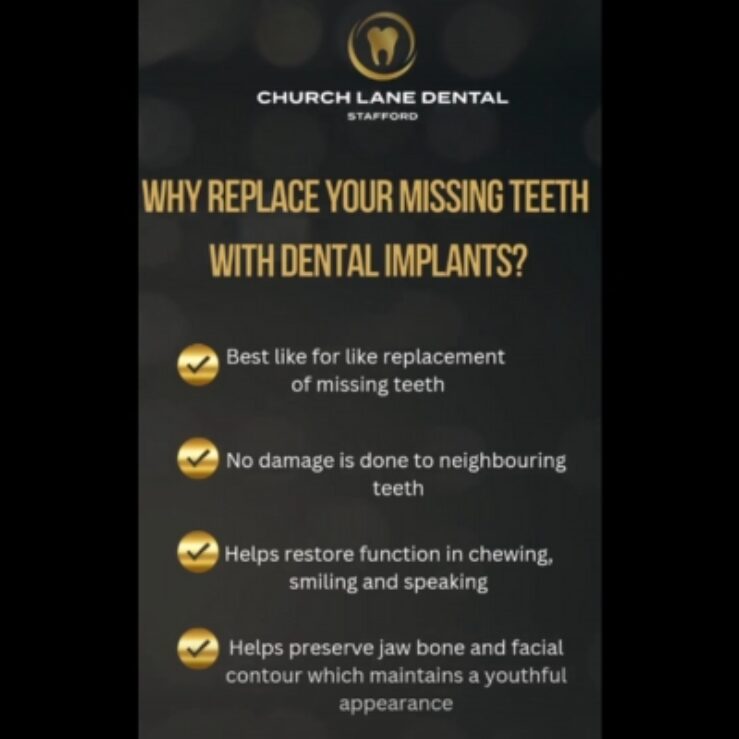
That does not mean every tooth can or should be saved at all costs. A deeply cracked tooth, advanced infection or severe gum disease may mean extraction is the healthier option. If this happens, a good emergency appointment still protects your wellbeing by removing pain and stopping the problem from progressing. Once you are comfortable, you can discuss replacement options such as a bridge, denture or dental implant at the right pace.
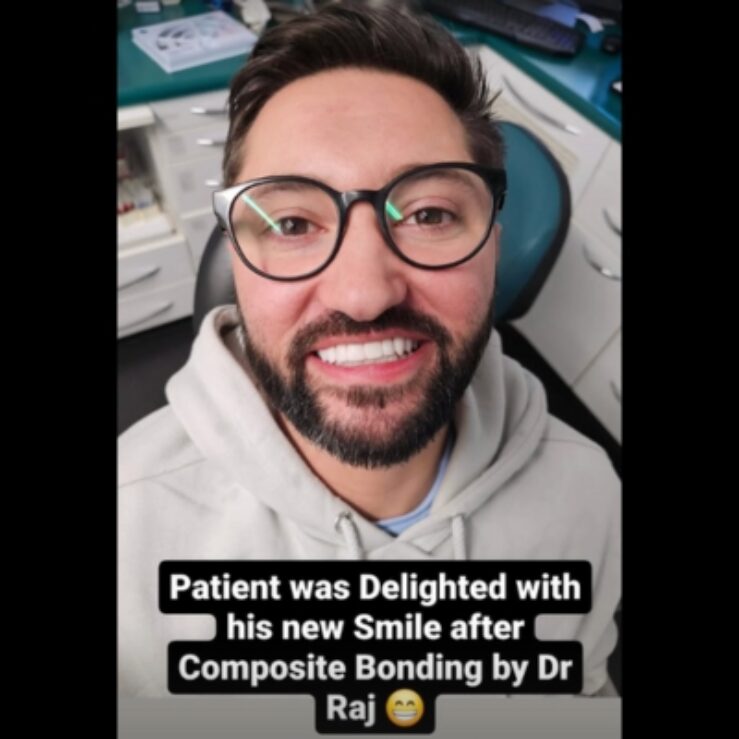
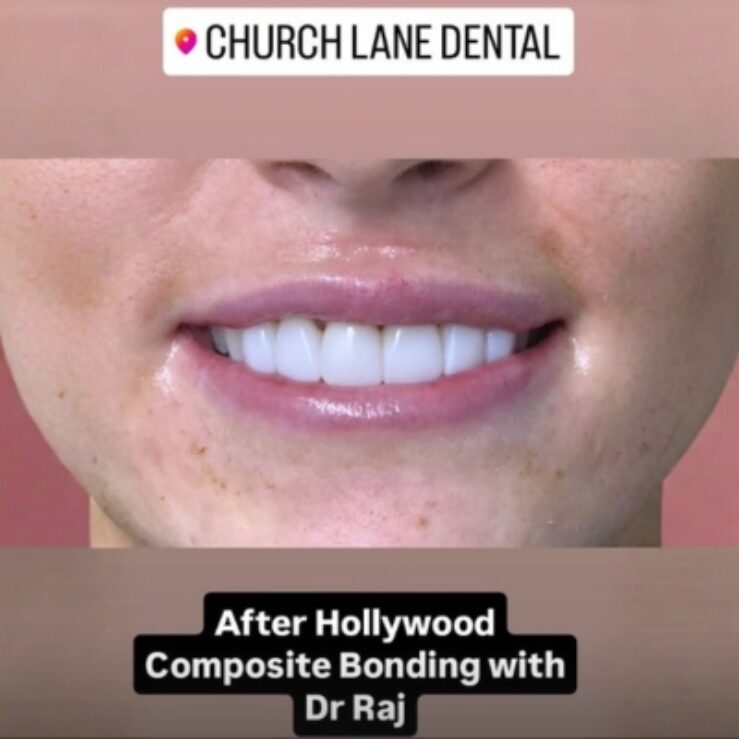
The same principle applies to cosmetic damage. A small chip may be repaired with bonding, while a more extensive fracture could need a crown or veneer after the tooth has been stabilised. The immediate aim is safety and comfort. The polished final result can follow once the tooth and gums are healthy.
When you are in pain, availability is not a luxury. Look for a practice that can offer same-day help, explain costs clearly and provide treatment rather than only temporary advice. Evening and weekend access can be particularly valuable if you cannot take time away from work, have children to care for or are dealing with pain outside usual opening hours.
It also helps to choose a practice that can continue your care after the immediate emergency. A tooth rescued with root canal treatment may later need a crown. An extraction may lead to a conversation about implants. A broken tooth may benefit from cosmetic restoration once it has healed. Having the full journey available under one roof means the emergency is handled with your longer-term smile in mind.
Church Lane Dental offers emergency appointments from £25 and accepts walk-ins where availability allows. The focus is simple: assess the problem, relieve pain and give you a clear plan for what happens next.
Accidents cannot always be avoided, but many painful dental emergencies begin as smaller issues. Regular examinations allow your dentist to spot decay, cracks, gum inflammation and failing restorations before they become urgent. If you play contact sport, a professionally made mouthguard is a sensible investment. If you clench or grind your teeth, a night guard may help protect teeth and existing dental work.
Do not wait for pain before arranging care. Teeth can have significant decay or infection before symptoms become obvious, and early treatment is generally more straightforward. Good brushing, daily cleaning between the teeth and routine hygiene appointments all reduce risk, but they work best alongside professional checks.
If you are dealing with dental pain, swelling or a damaged tooth right now, trust what your body is telling you. Prompt, calm action can turn a frightening moment into a clear route back to comfort – and give your smile the best chance of a full recovery.
Back to blog
Quickly match your needs with the right dental treatment using our simple treatment finder.
Have questions or ready to book? Reach out, and our team will guide you every step of the way.


Follow us on Instagram for real patient transformations, behind the scenes updates and the latest offers. It’s the easiest way to stay connected and inspired on your smile journey.
EXPLORE