Staffordshire's highest rated dental practice - we guarantee the best quality dental care at great prices! Full range of dental care available - we can do everything under one roof!



A broken tooth at 8pm, a child’s first check-up, a smile you have spent years hiding – these are very different reasons to look for a dentist in Stafford. Yet the right practice should be able to meet all of them with the same clear standard of care: prompt when it matters, reassuring when you are nervous and thorough enough to look after your smile for the long term.
Choosing a dentist is not simply about finding the nearest appointment. It is about knowing where to turn when pain arrives without warning, whether your family can be seen at convenient times, and whether the treatments you may want later are available from a team you already trust.
The best choice depends on your circumstances. A parent may put family appointments and prevention first. A busy professional may need evening or weekend availability. Someone in severe pain needs immediate help, not a waiting list. For many people, the strongest option is a practice that can support every stage rather than requiring referrals or a change of dentist each time their needs change.
Start with access. Ask when the practice is open, whether it can offer same-day appointments and what happens if you have a dental emergency outside usual hours. Dental pain rarely arrives at a convenient time. A practice that provides emergency care seven days a week, including bank holidays, can make a difficult situation feel far more manageable.
Then consider the range of care available. Routine examinations, hygiene visits and fillings are essential foundations, but a genuinely comprehensive practice should also be able to provide treatments such as implants, teeth straightening, cosmetic bonding, veneers and support for nervous patients. This matters because your treatment should be planned around your goals, not limited by what happens to be offered.
Finally, look at how clearly fees and options are explained. Private dentistry should not feel mysterious. You should understand the likely costs, the stages of treatment and whether finance or membership plans could help you spread the cost of care.
A dental emergency is not always dramatic, but it should never be ignored. Severe toothache, swelling, a knocked-out tooth, facial trauma, a broken tooth with sharp edges, a lost filling causing pain or bleeding that will not stop all deserve prompt professional advice.
The priority is to get you comfortable, assess the cause and protect your health. Sometimes that means a temporary repair or medication alongside a follow-up visit. In other cases, treatment can be completed straight away. It depends on the problem, the condition of the tooth and whether there is infection or damage below the gumline.
When calling an emergency dentist, explain when the pain began, whether there is swelling or fever, and whether you have had an injury. If a tooth has been knocked out, handle it only by the crown, not the root. If possible, place it back in the socket. If that is not practical, keep it in milk and seek urgent care. Acting quickly gives the tooth its best chance.
For patients who cannot secure a timely NHS appointment, accessible private emergency care can offer a practical route to assessment and relief. Church Lane Dental offers a £25 emergency appointment entry point, with walk-in, same-day and 24/7 care available when the situation calls for it.
The most effective dental treatment is often the treatment you never need. Regular examinations allow your dentist to spot early decay, gum problems, cracks and signs of wear before they develop into pain, infection or more complex treatment.
For children, early visits help make the dental practice familiar rather than frightening. The aim is not to rush treatment. It is to build confidence, teach effective brushing and diet habits, and monitor how adult teeth are developing. A relaxed, positive introduction can shape how a child feels about dental care for years.
Adults benefit from the same preventive approach. Gum disease can be quiet in its early stages, with bleeding when brushing often dismissed as normal. It is not. A hygienist and dentist can identify the cause, help remove hardened plaque and build a home-care routine that is realistic for your lifestyle.
Convenient appointments matter here. When a practice offers evenings and weekends, families and working adults are less likely to postpone the routine visits that keep small issues small.
If you have delayed seeing a dentist because of anxiety, you are not alone. Fear may come from a difficult past experience, worry about pain, embarrassment about the condition of your teeth or simply a loss of control. The answer is not to be told to “just relax”. It is to receive care at a pace that feels manageable.
A good first appointment should give you time to talk. Tell the team what you find difficult, whether that is injections, sounds, lying back in the chair or not knowing what will happen next. Your dentist can explain the options, agree a stop signal and break treatment into smaller steps where appropriate.
Modern techniques and local anaesthetic can make many procedures far more comfortable than people expect. For patients with significant anxiety or those undergoing longer treatment, sedation dentistry may also be appropriate. Sedation is not right for every person or procedure, but it can help suitable patients feel calm while remaining safely monitored throughout their care.
The important thing is choice. You should never feel pressured into treatment before you understand it or are ready to proceed.
Cosmetic dentistry is most rewarding when it begins with a healthy foundation. Before discussing whitening, bonding or veneers, your dentist should check your teeth, gums and bite. A bright smile is appealing, but it will not last well if decay, grinding or gum inflammation has been overlooked.
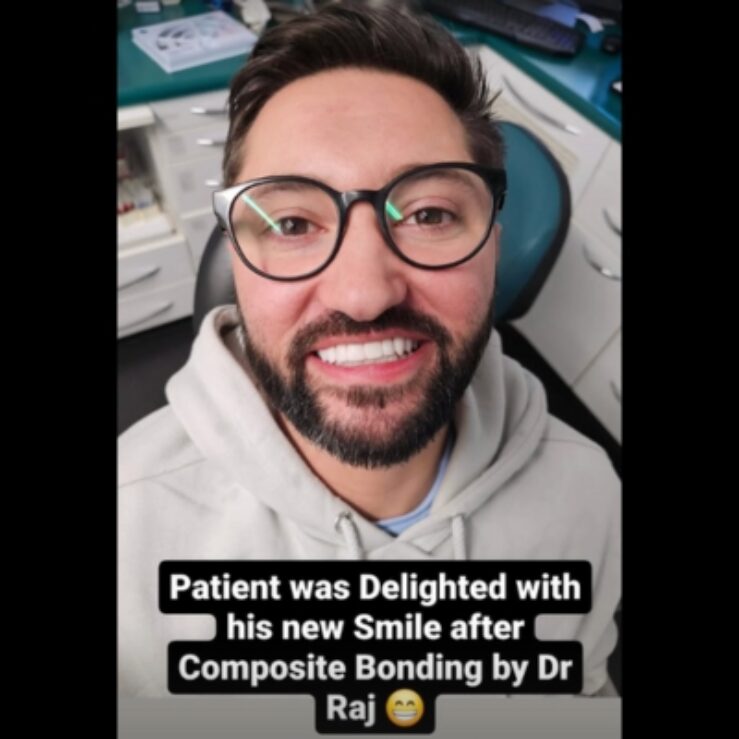
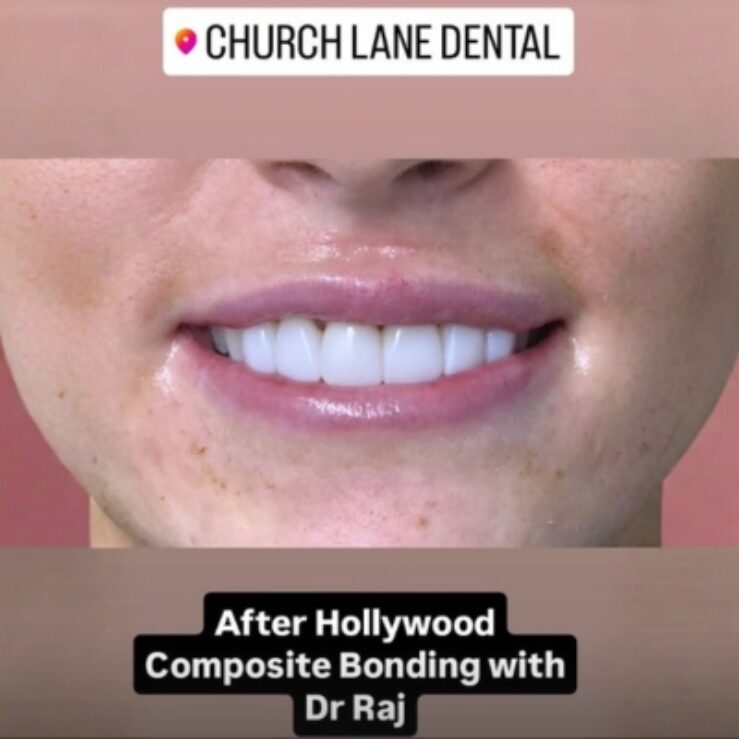
Different treatments solve different concerns. Whitening can lift natural tooth colour, although it will not change the shade of crowns, fillings or veneers. Composite bonding can repair chips, refine edges and close small gaps with minimal alteration to the tooth. Veneers can create a more comprehensive change in shape and colour, but they require careful planning because some preparation may be needed.
For crooked, crowded or spaced teeth, Invisalign and fixed braces move the teeth rather than covering their position. Treatment time varies considerably, from relatively straightforward cases to more complex bite correction. A consultation, including digital scans where needed, is the right place to discuss the predicted result, retention after treatment and whether whitening or bonding could complete the final look.
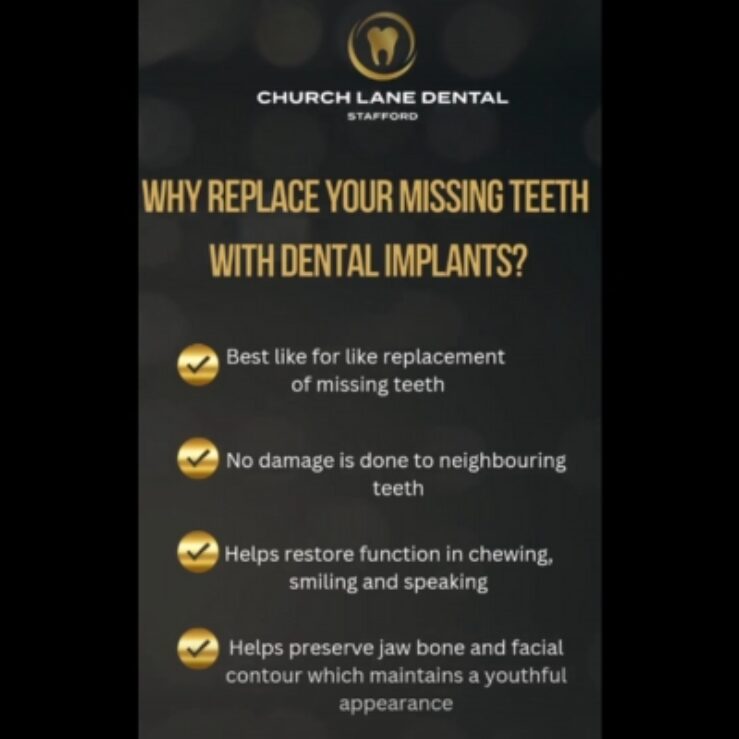
Dental implants are another option when a tooth is missing. They can provide a fixed replacement that looks and functions much like a natural tooth. However, implants involve a surgical process and a healing period, so they are a considered investment rather than a quick fix. Your dentist should assess bone levels, gum health, medical history and bite forces before recommending them.
Before committing to a new dental practice, ask practical questions that reveal how it will work for you. Can it see you quickly if you are in pain? Are appointments available around work and school? Will the same team be able to provide routine, restorative and cosmetic care? How are fees presented, and are written treatment plans provided before you begin?
It is also worth asking what happens if your needs become more complex. A practice with digital imaging, clinicians experienced in different treatments and a joined-up approach can reduce delays and make decisions clearer. You do not need every treatment now, but it is reassuring to know your care can continue in one familiar place.
Reviews, recommendations and awards can be useful indicators, but pay attention to the detail. Look for comments about being listened to, receiving clear explanations, being seen promptly in an emergency and feeling comfortable during treatment. Those are the signs of care that is patient-first rather than merely convenient.
Your smile does not have to wait until a problem becomes urgent. Whether you need relief today, a check-up for your family or a plan for the confidence you want to feel in photographs and everyday conversations, booking a conversation is a positive first step.
Back to blog
Quickly match your needs with the right dental treatment using our simple treatment finder.
Have questions or ready to book? Reach out, and our team will guide you every step of the way.


Follow us on Instagram for real patient transformations, behind the scenes updates and the latest offers. It’s the easiest way to stay connected and inspired on your smile journey.
EXPLORE