Staffordshire's highest rated dental practice - we guarantee the best quality dental care at great prices! Full range of dental care available - we can do everything under one roof!



A fall at football, a cycling accident or one unexpected knock to the face can change a smile in seconds. Dental trauma recovery is not simply about stopping pain. Fast, appropriate care can make the difference between saving a natural tooth and needing more extensive treatment later.
If you or your child has injured a tooth, treat it as urgent even when there is little pain. Teeth can be cracked below the gum line, loosened without looking dramatically different, or damaged around the root and nerve. The earlier a dentist examines the injury, the more options there are to protect comfort, appearance and long-term function.
Bleeding, swelling and shock can make it hard to judge how serious an injury is. Start by rinsing the mouth gently with clean, lukewarm water. Apply gentle pressure with clean gauze or a clean cloth to any bleeding area, and use a cold compress against the outside of the cheek to help control swelling.
Do not use aspirin directly on the gum or tooth. It can burn soft tissues. If a tooth fragment has broken off, find it if possible and place it in milk or saline. A dentist may be able to bond it back in place, depending on the condition of the fragment and the break.
Avoid chewing on the injured side, and do not test a loose tooth by moving it. A tooth that feels slightly mobile after an impact may still be stable enough to save with prompt treatment.
A knocked-out permanent tooth needs immediate action. Pick it up by the crown, which is the white part normally visible in the mouth. Never hold or scrub the root. If it is dirty, rinse it briefly in milk or saline, or under a very gentle flow of water, without scraping away attached tissue.
If you can confidently place the tooth back into its socket, do so straight away and ask the person to bite gently on clean gauze. This is not suitable if there is a risk of swallowing the tooth, if the patient is distressed or unconscious, or if you are unsure which way round it should sit. In those cases, keep the tooth moist in milk. A small container of the person’s saliva is another option. Do not store it in tap water.
Contact an emergency dentist immediately. The best chance of successful reimplantation is usually within the first hour, although urgent assessment remains worthwhile after that.
Never try to reinsert a baby tooth. Reimplanting it can damage the developing adult tooth beneath. A child with a knocked-out baby tooth should still be seen promptly to assess the gums, jaw and neighbouring teeth.
Not every injury needs the same treatment. A careful examination, often supported by X-rays and photographs, allows the dentist to check the visible tooth, root, surrounding bone, bite and soft tissues. Some symptoms appear later, which is why follow-up matters even when the tooth initially seems fine.
A small chip affecting only enamel may be smoothed or repaired with tooth-coloured composite bonding. This can restore the shape of the tooth in a single visit and prevent a sharp edge irritating the tongue or lip. If the fracture reaches deeper into the tooth, sensitivity to hot, cold or air may indicate that the inner nerve is affected.
A deeper break may need a protective restoration, such as bonding or a crown, and sometimes root canal treatment to remove infection or protect a damaged nerve. This is not always needed on the day of the accident. Your dentist will advise based on the injury, symptoms and imaging, then monitor the tooth closely.
A loose, displaced or pushed-in tooth can sometimes be repositioned and supported with a small flexible splint attached to neighbouring teeth. The splint holds the tooth in the right position while the supporting tissues begin to heal. You will need a soft diet and careful cleaning during this period, but stabilising the tooth early can be crucial.
Injuries to the lip, cheek, tongue or gums also need attention. A deep cut may require closure, while grit, tooth fragments or other debris need removing before they cause ongoing irritation or infection. If there has been a significant blow to the jaw, trouble opening the mouth, a bite that suddenly feels wrong, loss of consciousness, vomiting or severe facial swelling, seek urgent medical assessment as well as dental care.
The first few days of dental trauma recovery are about protecting the injured area. Stick to softer foods such as pasta, yoghurt, soup that has cooled down and scrambled egg. Avoid biting into apples, crusty bread, sweets or anything hard with the affected teeth. Smoking and alcohol can delay healing, particularly where gums or soft tissues are injured.
Keep the area clean. Brush carefully with a soft toothbrush, and follow any specific advice about rinses, pain relief or antibiotics. Antibiotics are not automatically required after every dental injury. They are prescribed when clinically appropriate, not as a substitute for cleaning, stabilising or treating the cause of the problem.
Pain should generally improve, not steadily worsen. Contact your dentist without delay if you notice increasing swelling, a bad taste, fever, severe throbbing, a tooth darkening, persistent sensitivity or a loose tooth becoming more mobile. A tooth can remain alive after trauma, but damage to its blood supply may become apparent weeks or months later.
Follow-up visits are part of the treatment, not an optional extra. The dentist may test how the nerve responds, review X-rays and check that the bite is comfortable. This helps identify complications such as root resorption, infection or nerve changes before they become painful or more difficult to manage.
Children and teenagers need particularly careful monitoring because their teeth and jaws are still developing. A tooth that is injured young may need a different approach from a fully developed adult tooth. The aim is always to preserve healthy natural structure where possible while supporting normal growth.
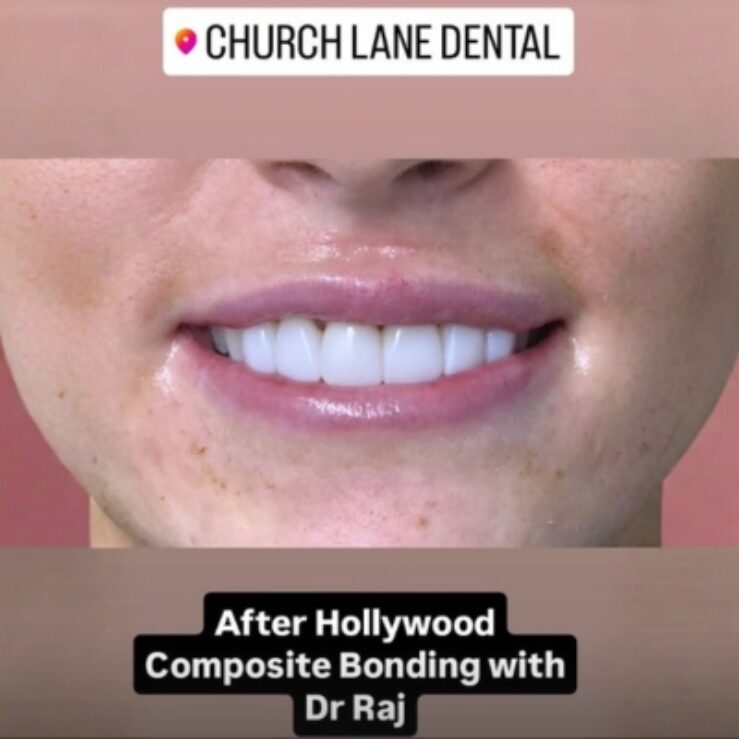
Once the tooth and supporting tissues are stable, attention can turn to the final appearance of the smile. Modern restorative treatment can often make trauma repairs discreet. Composite bonding can reshape chips and worn edges, while crowns may strengthen heavily damaged teeth. When a tooth cannot be saved, options such as a bridge, denture or dental implant may be considered after healing and planning.
There is no one-size-fits-all timescale for replacement. It depends on the condition of the gums and bone, whether infection is present, the patient’s age and the health of neighbouring teeth. An implant can be an excellent long-term option for many adults, but it needs the right foundations and should never be rushed after a significant injury.
The emotional side matters too. A damaged front tooth can make someone avoid photos, meetings or smiling at all. Restoring a tooth is not vanity. It can help you speak, eat and feel like yourself again. A tailored plan should address the immediate emergency first, then give you clear choices for rebuilding your smile at a pace that feels right.
Call for urgent dental help if a tooth has been knocked out, broken, moved, pushed into the gum or suddenly become very loose. The same applies to uncontrolled bleeding, severe pain after an injury, swelling, a facial injury affecting your bite, or trauma involving a child’s mouth.
Church Lane Dental offers emergency appointments seven days a week, including evenings, weekends and bank holidays, so patients in Staffordshire can get prompt assessment when accidents cannot wait. If you are unsure whether an injury is serious, it is safer to be checked. Early reassurance is valuable, and early treatment may save far more than a tooth.
After an accident, focus on the next right step: protect the tooth or fragment, control bleeding, avoid chewing on the area and arrange an urgent dental assessment. A calm response and prompt care give your smile the strongest possible chance to heal well.
Back to blog
Quickly match your needs with the right dental treatment using our simple treatment finder.
Have questions or ready to book? Reach out, and our team will guide you every step of the way.


Follow us on Instagram for real patient transformations, behind the scenes updates and the latest offers. It’s the easiest way to stay connected and inspired on your smile journey.
EXPLORE