Staffordshire's highest rated dental practice - we guarantee the best quality dental care at great prices! Full range of dental care available - we can do everything under one roof!



A front tooth can look slightly worn, chipped or discoloured for years – until a photograph, meeting or special occasion makes it impossible to ignore. When comparing a dental crown versus veneer, the best choice is rarely about which treatment looks better. Both can create a natural-looking, confidence-building result. The deciding factor is usually how healthy and strong the tooth is underneath.
A veneer is designed to enhance the visible front surface of a tooth. A crown is designed to restore and protect the whole tooth. Understanding that difference helps you choose a treatment that not only improves your smile now, but also supports it for the future.
A dental veneer is a very thin, bespoke facing, usually made from porcelain or composite resin, which is bonded to the front of a tooth. It can improve shape, shade, symmetry and minor damage while preserving as much healthy tooth structure as possible. Veneers are most often chosen for visible front teeth where the tooth is fundamentally healthy but the appearance is not quite right.
A dental crown, sometimes called a cap, covers the entire visible part of a tooth above the gum line. It is used when a tooth has been weakened by decay, a large filling, a fracture, root canal treatment or significant wear. Modern crowns can be made to blend beautifully with neighbouring teeth, but their primary job is strength and protection.
Think of the decision this way: if the tooth needs cosmetic refinement, a veneer may be the more conservative option. If the tooth needs rebuilding, a crown is often the safer and longer-lasting solution.
Veneers can be an excellent option where the concern is mainly cosmetic. They are commonly used to disguise stubborn staining that whitening cannot shift, small chips, uneven edges, minor gaps or teeth that appear slightly narrow, short or misshapen.
Porcelain veneers are valued for their lifelike translucency and stain resistance. They can be carefully colour-matched to your natural teeth or planned as part of a wider smile makeover. Composite veneers use tooth-coloured resin and may sometimes be completed more quickly, although they can be more prone to staining and wear over time than porcelain.
A veneer works best when there is enough healthy enamel for a reliable bond and the tooth has no major structural weakness. In many cases, only a small amount of enamel is shaped before the veneer is fitted. That makes it a conservative treatment compared with a crown, but it is still a permanent cosmetic decision because the tooth normally needs preparation.
Veneers are not the answer to every front-tooth concern. If you grind or clench heavily, regularly bite pens or fingernails, or have a deep bite that places excessive pressure on the front teeth, a veneer may chip or detach unless the underlying issue is managed.
Similarly, a tooth with extensive decay, a large old filling or a crack may not have enough strength for a veneer alone. Placing a beautiful veneer on a weak tooth can create a short-term improvement but leave the real problem untreated. A detailed examination, photographs and often digital scans allow your dentist to assess what will hold up in daily life.
A crown is usually recommended when a tooth requires more than a cosmetic surface change. For example, it may be needed after root canal treatment, when a large part of the tooth has broken away, or where a filling is so large that the remaining tooth structure could fracture.
Crowns can also restore teeth that have become badly worn, heavily discoloured or misshapen. While a crown requires more preparation than a veneer because it covers all sides of the tooth, it can give a compromised tooth the protection it needs to function comfortably again.
For front teeth, modern ceramic crowns can be highly natural in appearance. Your dentist will consider colour, translucency, tooth shape and the way your smile moves when you speak. For back teeth, strength may be the priority, particularly where chewing forces are high. The material is selected around the individual tooth, rather than applying the same solution to every situation.
Because a crown involves reshaping the tooth all the way around, it is not automatically the best choice for a tooth with a small cosmetic flaw. If a tooth is healthy and stable, a veneer, edge bonding or whitening may preserve more natural enamel.
Equally, choosing the least invasive option is not always the wisest route. A heavily filled or cracked tooth may look as though it only needs a cosmetic improvement, but a crown could prevent a more serious break later. The right treatment balances appearance with the condition of the tooth, your bite and your long-term goals.
Both crowns and porcelain veneers can produce refined, natural-looking results. The quality of the final smile depends on careful planning, skilled clinical work and the way the restoration is designed around your face, bite and neighbouring teeth. A bright, uniform result is not always the most believable one. Small variations in texture and translucency often make a smile look more naturally yours.
With good care, crowns and veneers can last for many years. Their lifespan depends on the material used, how well you clean around the restoration, your diet and the forces placed on your teeth. Neither treatment is indestructible. Hard foods, trauma and tooth grinding can damage even high-quality ceramic.
Daily care is straightforward: brush twice a day with fluoride toothpaste, clean between your teeth and attend regular examinations and hygiene appointments. Avoid using teeth to open packaging or bite hard objects. If grinding is a concern, a custom night guard can protect your teeth and restorations while you sleep.
It is also worth knowing that the tooth and gum around a crown or veneer still need attention. Decay can develop at the margin of a restoration if plaque is allowed to build up, and gum inflammation can affect the appearance of your smile. Cosmetic dentistry looks its best when it is supported by healthy gums and a stable bite.
The process begins with a consultation and examination. Your dentist will assess the tooth, take any necessary X-rays or scans, discuss the look you want to achieve and explain whether a crown, veneer or another option is most appropriate. If there is active decay, gum disease or an unstable bite, these issues should be addressed first.
For a porcelain veneer or crown, the tooth is prepared and an impression or digital scan is taken. A temporary restoration may be placed while the final crown or veneer is individually crafted. At the fitting appointment, the dentist checks the fit, colour and bite before bonding or cementing it securely.
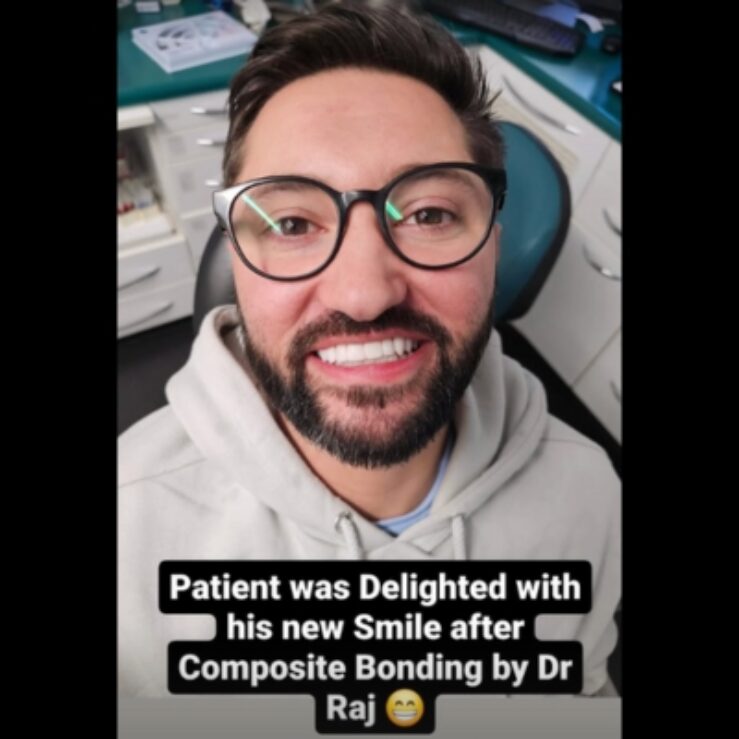
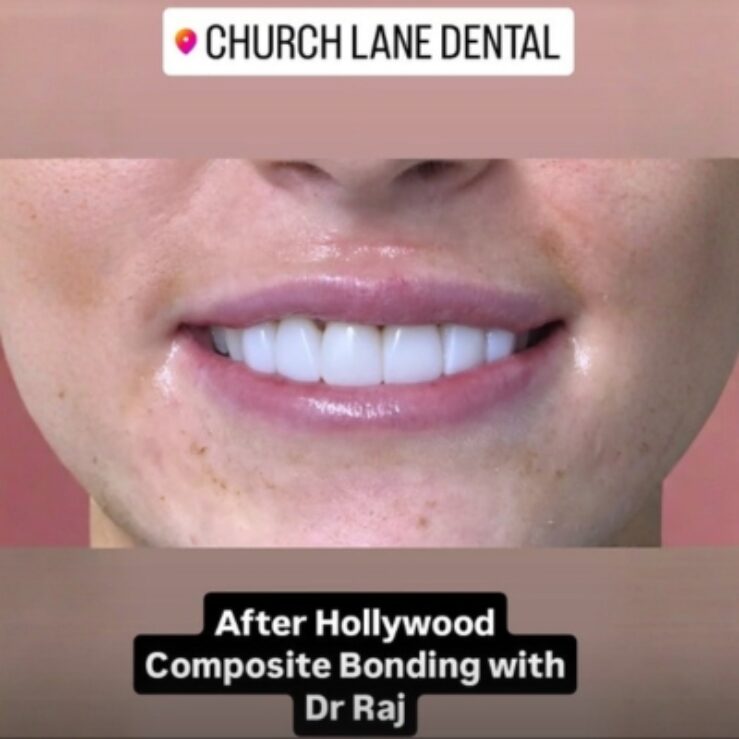
Composite veneer treatment can sometimes be completed in a single appointment, with the resin shaped directly onto the tooth. This can be a useful option for certain chips, contours and small aesthetic changes. The trade-off is that composite usually needs more maintenance and polishing over time than porcelain.
If you feel anxious about dental treatment, say so at the start. A calm explanation of each stage, regular pauses and, where appropriate, sedation options can make a significant difference to your experience.
The cost of a crown or veneer reflects more than the visible restoration. It includes the assessment, planning, materials, laboratory work where required, clinical time and any preparation needed to make the tooth healthy and stable first.
A veneer may cost less or more than a crown depending on the material and complexity, so it is not helpful to choose based on a headline price alone. A chipped tooth may only need composite bonding, while another apparently similar tooth may need a crown because of a deep crack or previous root canal treatment. A personalised written plan should make the proposed treatment, fees and alternatives clear before you commit.
If a tooth is healthy but you dislike its colour, shape or small imperfections, a veneer may offer a beautifully subtle change with minimal preparation. If the tooth is weakened, extensively restored or at risk of breaking, a crown is more likely to provide the protection it needs.
At Church Lane Dental, the focus is on finding the option that suits your tooth, your bite and the way you want your smile to feel – not simply the quickest cosmetic fix. Book an assessment before making a decision, and bring photographs or examples of smiles you like. A clear conversation now can help you enjoy a result that feels natural, comfortable and built to last.
Back to blog
Quickly match your needs with the right dental treatment using our simple treatment finder.
Have questions or ready to book? Reach out, and our team will guide you every step of the way.


Follow us on Instagram for real patient transformations, behind the scenes updates and the latest offers. It’s the easiest way to stay connected and inspired on your smile journey.
EXPLORE