Staffordshire's highest rated dental practice - we guarantee the best quality dental care at great prices! Full range of dental care available - we can do everything under one roof!



A chipped front tooth before a wedding, uneven edges that show in photographs, or small gaps that have always bothered you can make a cosmetic decision feel urgent. When weighing up composite bonding versus veneers, the best choice is rarely about which treatment is simply “better”. It is about how much change you want, how healthy your teeth are, how long you want the result to last and how much tooth preparation you are comfortable with.
Both treatments can create a brighter, more balanced smile. They do so in different ways, with different commitments. A proper cosmetic consultation should start with your smile, bite and natural tooth structure, not a one-size-fits-all recommendation.
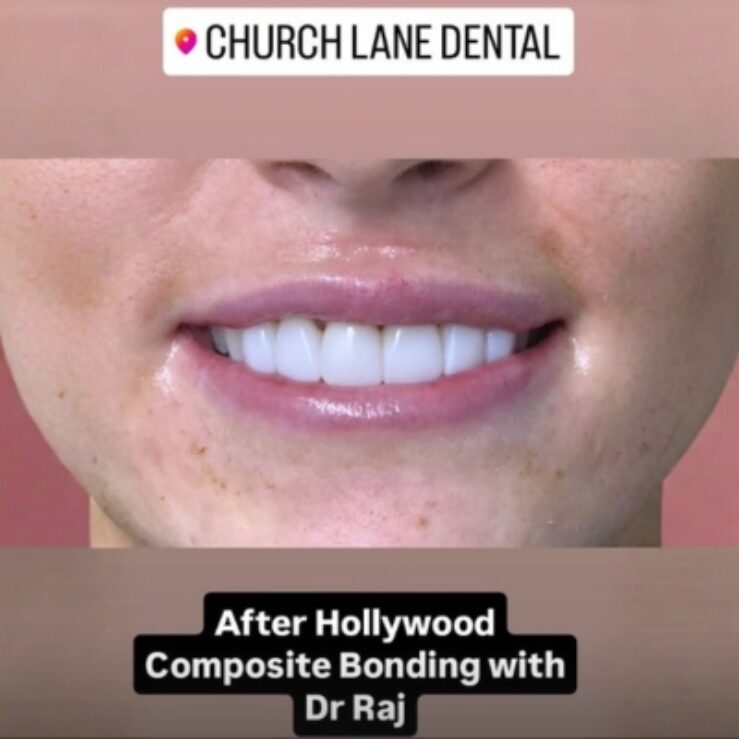
Composite bonding uses a tooth-coloured resin that is carefully layered, shaped and polished directly onto the tooth. It can improve the appearance of chips, worn edges, small spaces, mild crowding and uneven tooth shapes. In many cases, little or no enamel needs to be removed.
Veneers are thin, custom-made shells fitted to the front surface of teeth. They are usually made from porcelain, although composite veneers are also available. Porcelain veneers are particularly valued for their lifelike translucency, stain resistance and long-term appearance. They often require some enamel preparation to create enough space for a natural-looking result.
The practical difference is clear. Bonding adds and sculpts material on the day, while porcelain veneers are designed in a dental laboratory and bonded at a later appointment. Bonding is generally the more conservative and lower-cost starting point. Veneers are normally the more durable option for patients seeking a larger, more consistent smile transformation.
Composite bonding is an excellent option when the changes are focused and your underlying teeth are already healthy and well positioned. A skilled dentist can use it to rebuild a chipped corner, lengthen a short tooth, soften a pointed canine or close a small gap with results that still look like your own smile.
For many patients, the biggest advantage is preservation of natural tooth tissue. Because bonding may not require drilling, it is often reversible in principle: the composite can be removed or replaced without necessarily changing the tooth beneath. That makes it attractive if you want a subtle improvement without committing to a more extensive restoration.
Treatment is commonly completed in one visit, depending on the number of teeth involved and the complexity of the design. The dentist selects shades, applies the composite in fine layers, cures it with a light, then shapes and polishes it. Done well, this is not simply “filling material on front teeth”. It is detailed cosmetic work where proportions, texture and light reflection matter.
Bonding does have limits. Composite is less hard-wearing than porcelain and can pick up staining over time, particularly if you regularly drink tea, coffee or red wine, or smoke. It can also chip, wear or lose its shine. Polishing, repair or replacement may be needed over the years, especially if you bite your nails, chew pens or grind your teeth at night.
Porcelain veneers tend to suit patients who want a more significant and stable change to the visible front teeth. They can alter colour, shape, length and symmetry at the same time, making them useful where teeth are heavily stained, uneven, worn, mildly misaligned or affected by old fillings.
Porcelain holds its colour exceptionally well and has a glossy, enamel-like finish. This makes it a strong choice for someone seeking a lasting bright smile without the maintenance associated with polishing composite. With careful planning and good oral hygiene, veneers can last many years, although they are not permanent and will eventually need replacement.
The trade-off is tooth preparation. Some modern veneer designs can be very thin and require minimal preparation, but many cases need a small amount of enamel to be reshaped. This helps prevent the veneer looking bulky and gives the dentist room to create natural contours. Once enamel has been removed, the tooth will generally need to remain covered with a veneer or another restoration in future.
Veneers also take longer to complete. Following planning and preparation, temporary veneers may be fitted while the final porcelain restorations are being made. The precision involved is one reason the treatment is usually more expensive than composite bonding.
Cost matters, but it should not be the only deciding factor. A lower initial price can become less economical if repeated repairs are likely, while a more durable treatment may not be appropriate if it removes healthy enamel for a change that could have been achieved conservatively.
Your bite is equally important. If your front teeth meet edge to edge, you clench, or you grind in your sleep, both bonding and veneers can be placed under significant pressure. A protective night guard may be recommended. In some cases, orthodontic treatment such as Invisalign should come first, particularly where tooth position is the real cause of gaps, crowding or an uneven smile.
Tooth colour also affects the plan. Whitening can be a sensible first step before bonding or veneers, because neither material will whiten after it has been fitted. Whitening your natural teeth first allows the new restorations to be colour matched to a fresher shade. If you have existing crowns or fillings in the smile zone, these will also need to be considered so the final result looks harmonious.
Gum health cannot be overlooked. Cosmetic work looks its best against healthy, even gums. Bleeding gums, active decay or untreated gum disease should be addressed before elective smile treatment begins. This is not a delay for the sake of it. It protects the result and helps avoid spending money on cosmetic dentistry before the foundations are stable.
No-prep or minimal-prep veneers can sound like the ideal middle ground, but they are not automatically suitable for everyone. If teeth already sit forward or are naturally prominent, adding porcelain without enough space can produce a thick or over-contoured appearance. The right approach is the one that respects your facial profile, lip position and natural teeth – not the one with the most appealing label.
Composite bonding can be exceptionally natural. It is often the best route when you want friends to notice that you look well, rather than immediately identify dental treatment. Small refinements to edge shape, symmetry and proportion can have a surprisingly powerful effect.
Veneers offer more control where several changes are needed at once. A dentist can plan a consistent smile line, adjust individual tooth proportions and create a more uniform colour. That does not mean every veneer smile should look ultra-white or identical. The most convincing outcomes retain the character appropriate to your face, age and preferences.
Ask to discuss the level of change you want. Bring photographs of smiles you like, but be open about what you do not like too. A bright, highly polished result may suit one patient perfectly, while another may prefer a softer, natural shade and gentle refinement.
Neither treatment replaces the need for everyday dental care. Brush twice daily with fluoride toothpaste, clean between your teeth and maintain regular dental examinations and hygiene appointments. Avoid using your teeth to open packaging, and be mindful of very hard foods if you have bonding or veneers on your front teeth.
Composite bonding may benefit from professional polishing when surface shine dulls or stains develop. Small chips can often be repaired directly. Porcelain veneers do not stain in the same way, but the natural teeth around them can, and the edges where the veneer meets the tooth still need careful cleaning.
If you wake with jaw tension, headaches or worn teeth, mention it before treatment. Managing grinding can be the difference between a cosmetic result that stays beautiful and one that needs repeated repair.
The most reassuring answer to composite bonding versus veneers comes after an individual assessment, photographs and a clear conversation about the trade-offs. You should understand what will happen to your natural teeth, how the result is likely to age, what maintenance may be needed and what alternatives could protect more of your enamel.
At Church Lane Dental, cosmetic planning is built around the result that suits you, not the treatment that happens to be quickest. Whether you want to repair one chipped tooth or make a considered change to your whole smile, start with healthy foundations and a plan you will still feel confident about years from now.
Back to blog
Quickly match your needs with the right dental treatment using our simple treatment finder.
Have questions or ready to book? Reach out, and our team will guide you every step of the way.


Follow us on Instagram for real patient transformations, behind the scenes updates and the latest offers. It’s the easiest way to stay connected and inspired on your smile journey.
EXPLORE