Staffordshire's highest rated dental practice - we guarantee the best quality dental care at great prices! Full range of dental care available - we can do everything under one roof!



A chipped front tooth can feel far bigger than a small piece of enamel. It may catch on your lip, make you hide your smile in photographs or leave you worrying that the damage will worsen. Composite bonding for chipped teeth is often a fast, conservative way to restore the shape of a tooth and help you feel like yourself again.
The right treatment depends on why the tooth chipped, how much tooth structure has been lost and whether there is any pain or damage beneath the surface. A small, clean chip may be suitable for cosmetic repair. A chip after a fall, sporting injury or bite on something hard needs a proper assessment first – especially if the tooth feels sensitive, loose or sharp.
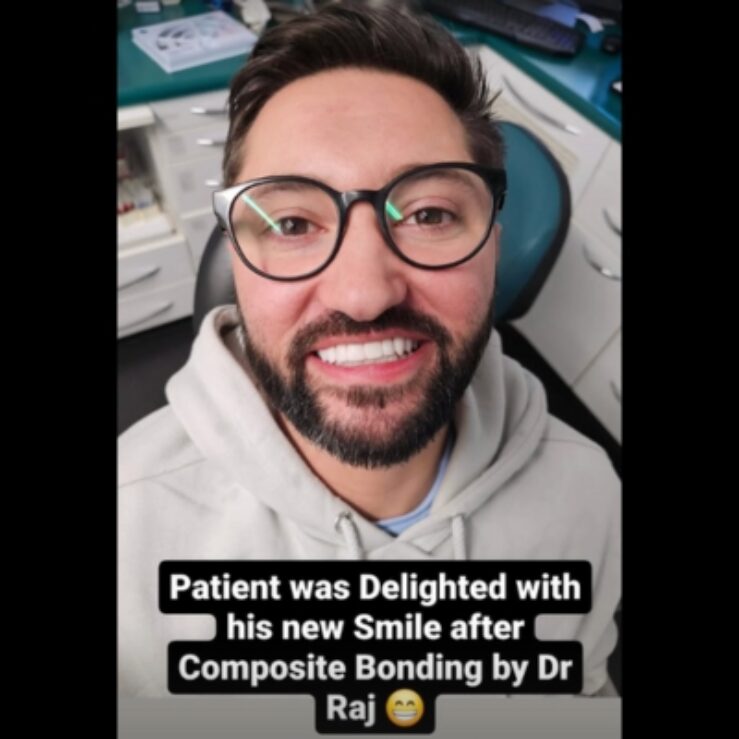
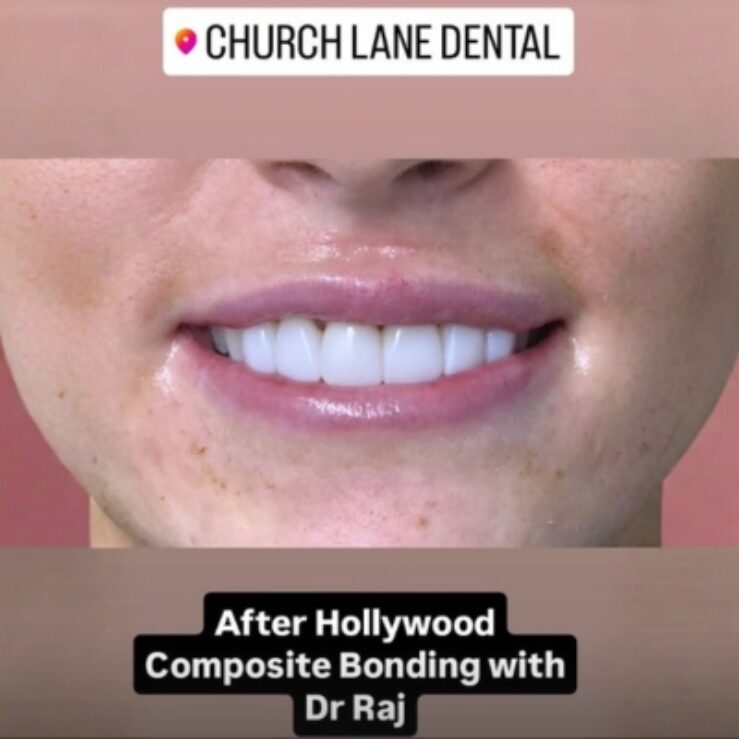
Composite bonding uses a tooth-coloured resin to rebuild or refine part of a tooth. Your dentist carefully selects a shade that blends with your natural enamel, then layers and shapes the material to recreate the missing edge, corner or surface. The resin is hardened with a curing light and polished to give a natural-looking finish.
For a minor chip, the treatment can often be completed in one appointment. It usually requires little to no removal of healthy tooth enamel, which is one of the main reasons patients choose it over more extensive cosmetic options.
Bonding is not only about making a tooth look better. Restoring a chipped edge can remove a rough area that catches on the tongue, help protect exposed inner tooth layers and restore the balance of your bite. The aim is a repair that looks right, feels comfortable and works with the way you naturally use your teeth.
Composite bonding can be an excellent choice when the chip is small to moderate, the tooth is otherwise healthy and you want a minimally invasive repair. It is particularly popular for front teeth, where a missing corner or uneven edge is noticeable straight away.
It may also help if teeth have naturally worn edges, slight asymmetry or small gaps alongside a chip. In these cases, carefully planned bonding can improve several details at once without making the smile look artificial.
However, it is not the best answer for every damaged tooth. If the chip is deep, the nerve is affected, there is decay, or the tooth has a crack running below the gum line, the priority is protecting the tooth rather than simply covering the visible damage. You may need a filling, root canal treatment, a crown or another restorative option first.
Your bite matters too. If you grind or clench your teeth, bite heavily edge-to-edge, or regularly bite pens, nails or hard foods, composite can chip again more easily. This does not automatically rule out bonding, but your dentist may recommend a night guard, bite adjustment or a more durable treatment plan to protect the result.
The process is designed to be precise, but it is usually straightforward from the patient’s point of view. Your dentist will begin by examining the tooth, checking the surrounding teeth and asking how the damage happened. X-rays may be needed if there is pain, a larger fracture or concern about damage below the visible enamel.
For many small chips, local anaesthetic is not required. If the tooth is sensitive or more preparation is needed, it can be used to keep you comfortable. The tooth surface is conditioned so the composite can bond securely, then the dentist builds the resin in small layers.
This is where clinical skill makes a visible difference. Natural teeth are not one flat shade. They reflect light differently at the edge, centre and near the gum. By shaping and polishing the composite with care, your dentist can create a repair that follows the contours of the neighbouring teeth rather than looking like a patch.
Before you leave, your bite is checked carefully. You should be able to close your teeth naturally without the repaired area feeling high or taking excessive pressure. A little adjustment is sometimes needed after treatment, particularly as your mouth settles and you become more aware of the repaired tooth.
Composite bonding is durable, but it is not permanent. With good care, a repair can last several years. Its lifespan depends on the size and position of the repair, your bite, diet, oral hygiene and habits such as grinding or nail biting.
The good news is that composite can usually be repaired or refreshed. Small chips, wear or staining do not always mean starting again. Regular dental reviews allow your dentist to monitor the bonding and polish it where appropriate.
Composite is more prone to staining than natural enamel or porcelain. Tea, coffee, red wine and smoking can gradually affect its appearance, especially at the edges. Professional cleaning and a good home routine can help maintain the finish, but whitening products will not lighten existing composite. If you are considering whitening, it is often best to do this before shade-matched bonding so the final repair matches your preferred tooth colour.
For a small chip, composite bonding is often the most conservative option because it adds material rather than substantially reshaping the tooth. It can be completed quickly and is usually easier to alter or repair in future.
Porcelain veneers may be considered when the concern is broader than one chipped corner – for example, where there is significant discolouration, multiple worn teeth or a desire for a more comprehensive smile change. They can offer excellent aesthetics and stain resistance, but they require more planning and may involve some tooth preparation.
A crown covers the whole tooth and is generally reserved for teeth with more extensive damage, large existing fillings or weakness that needs greater protection. It is not normally the first choice for a tiny chip on an otherwise healthy tooth.
The best option is not necessarily the most dramatic one. A good treatment plan preserves as much healthy tooth tissue as possible while giving you a result that is strong enough for your day-to-day bite.
Once the bonding is in place, look after it as you would your natural teeth, with twice-daily brushing using fluoride toothpaste and daily cleaning between the teeth. Avoid using teeth as tools to open packaging or bite through tough materials, and take care with very hard foods such as ice or unpopped popcorn kernels.
If you play contact sport, a properly fitted mouthguard is a sensible investment. If you wake with jaw tension, headaches or signs of tooth wear, mention this at your appointment. A night guard may protect both your natural teeth and the composite from repeated pressure while you sleep.
Do not ignore a repair that feels rough, catches floss, changes colour suddenly or feels different when you bite. These issues are often simple to address when reviewed early.
Not every chipped tooth is a dental emergency, but some are. Seek prompt advice if the tooth is painful, bleeding, loose, cracked, very sensitive to hot or cold, or if the chip happened alongside an injury to the face or jaw. You should also act quickly if a large part of the tooth has broken away or you can see a pink or red area inside it.
If you can find the broken piece, keep it in milk or saliva in a clean container and bring it with you if possible. Do not try to glue it back yourself. In the meantime, avoid chewing on that side and cover a sharp edge with dental wax if it is rubbing your cheek or tongue.
Church Lane Dental offers rapid assessment for dental emergencies, including evening, weekend and bank holiday care. Once the immediate problem is stabilised, a longer-term repair such as composite bonding can be planned with confidence.
A chipped tooth deserves more than a quick cosmetic fix if there is any possibility of deeper damage. But when the tooth is healthy and the repair is carefully matched, composite bonding can restore the small detail that changes how confidently you smile, speak and get on with your day.
Back to blog
Quickly match your needs with the right dental treatment using our simple treatment finder.
Have questions or ready to book? Reach out, and our team will guide you every step of the way.


Follow us on Instagram for real patient transformations, behind the scenes updates and the latest offers. It’s the easiest way to stay connected and inspired on your smile journey.
EXPLORE