Staffordshire's highest rated dental practice - we guarantee the best quality dental care at great prices! Full range of dental care available - we can do everything under one roof!


For many people considering a fixed replacement tooth, one question comes before cost, timing or appearance: are implants painful? The straightforward answer is that implant placement should not hurt during treatment because the area is fully numbed. Afterwards, it is normal to have some tenderness and swelling, but most patients describe it as manageable and often less uncomfortable than they expected.
A dental implant is a carefully planned surgical treatment, not something to rush into. Knowing what you will feel at each stage can replace the unknown with a clear, confident plan.
Before the procedure begins, your dentist uses local anaesthetic to thoroughly numb the gum and jawbone around the treatment area. You may feel pressure, gentle pushing or vibration while the implant is placed, but you should not feel sharp pain. If you do feel discomfort at any point, tell the dental team straight away. More anaesthetic can be given, and treatment does not need to continue until you are comfortable.
The implant itself is a small titanium post placed into the jawbone to act as the root of a new tooth. It is inserted with precision after detailed planning, often using 3D imaging to assess the available bone and position the implant safely. This preparation helps make treatment more predictable and keeps the procedure as efficient as possible.
For patients who feel anxious about dental treatment, the thought of being awake can be more difficult than the treatment itself. Sedation can help suitable patients feel deeply relaxed while still receiving the same careful care. You will still need local anaesthetic, but many people remember very little of the appointment and feel far more at ease throughout.
Placing one straightforward implant can take around 30 to 60 minutes, although your appointment may be longer to allow time for numbing, preparation and aftercare instructions. If you need an extraction, bone grafting or several implants, the treatment may take longer or be completed in stages.
That distinction matters. A simple single-tooth implant and a full-mouth restoration are both implant treatments, but they do not have the same recovery experience. Your dentist should explain the likely discomfort, healing time and costs for your individual plan before you commit.
Once the anaesthetic wears off, you can expect some soreness around the gum and jaw. This is usually most noticeable during the first two to three days. Swelling, mild bruising and a small amount of bleeding or oozing can also occur, particularly if an extraction or graft was carried out at the same visit.
Most patients manage this with the pain relief recommended by their dentist, rest and a softer diet for a few days. Cold compresses applied to the outside of the face can help reduce swelling. Avoid placing ice directly on your skin, and follow the timing and dosage advice provided by your clinician.
You may find chewing uncomfortable at first. Choose foods such as soup, yoghurt, scrambled egg, pasta, mashed vegetables and other soft meals, taking care not to eat food that is very hot while you are still numb. Avoid chewing directly on the implant site until you have been told it is safe to do so.
The gum normally feels significantly better within a week, although the implant continues to fuse with the jawbone over several months. This process, called osseointegration, is what gives an implant the strength to support a crown, bridge or denture. It happens quietly in the background and should not cause ongoing pain.
It depends on the complexity of the extraction and the condition of the tooth beforehand. A badly infected or broken tooth can be extremely painful before it is removed, so many patients feel relief after treatment. In a straightforward implant case, people often report less discomfort than they anticipated because the surgery is controlled, planned and carried out under effective local anaesthetic.
However, an implant placed alongside a difficult extraction or bone graft can lead to more swelling than a simple procedure. Honest planning is better than blanket reassurance. Your dental team should talk through what applies to your mouth, not offer a one-size-fits-all answer.
The amount of discomfort can vary depending on how many implants are being placed, whether bone grafting is needed and your general health. Smoking can slow healing and increase the risk of complications. Poorly controlled diabetes, certain medications and gum disease may also affect how your body responds, which is why a full medical history and examination are essential.
Your habits after treatment make a difference too. Smoking, drinking alcohol too soon, strenuous exercise, repeatedly touching the area with your tongue or fingers, and ignoring cleaning advice can irritate the site. Gentle brushing as instructed and keeping the area clean supports healing without disturbing it.
An implant should not remain painful for weeks. Persistent or worsening pain is not something to simply put up with, even if you are worried about bothering the practice. Prompt advice can prevent a small issue becoming a larger one.
Some tenderness is expected, but contact your dentist promptly if pain becomes severe, gets worse after the third day, or does not improve with the recommended pain relief. You should also seek advice if you notice increasing swelling, a persistent bad taste, pus, fever, uncontrolled bleeding, a loose implant or numbness that lasts longer than expected.
These symptoms do not automatically mean the implant has failed, but they need assessment. Infection, pressure from a temporary tooth or an issue with the bite can usually be dealt with more effectively when identified early. If you have facial swelling, difficulty swallowing or breathing, seek urgent medical help.
At Church Lane Dental, patients can be assessed for urgent dental concerns seven days a week, including evenings, weekends and bank holidays. That reassurance matters when you are recovering and want clear advice rather than waiting in discomfort.
The best way to reduce anxiety is to have a detailed conversation before treatment. Ask what will happen on the day, which type of anaesthetic or sedation is suitable, how long you should take away from work, and what you can eat afterwards. A good treatment plan includes the recovery period, not just the final smile.
Arrange for someone to take you home if you have sedation, and prepare soft food and any recommended pain relief in advance. Follow your aftercare instructions closely, attend review appointments and be open about any change that does not feel right. Small practical steps can make the first few days far more comfortable.
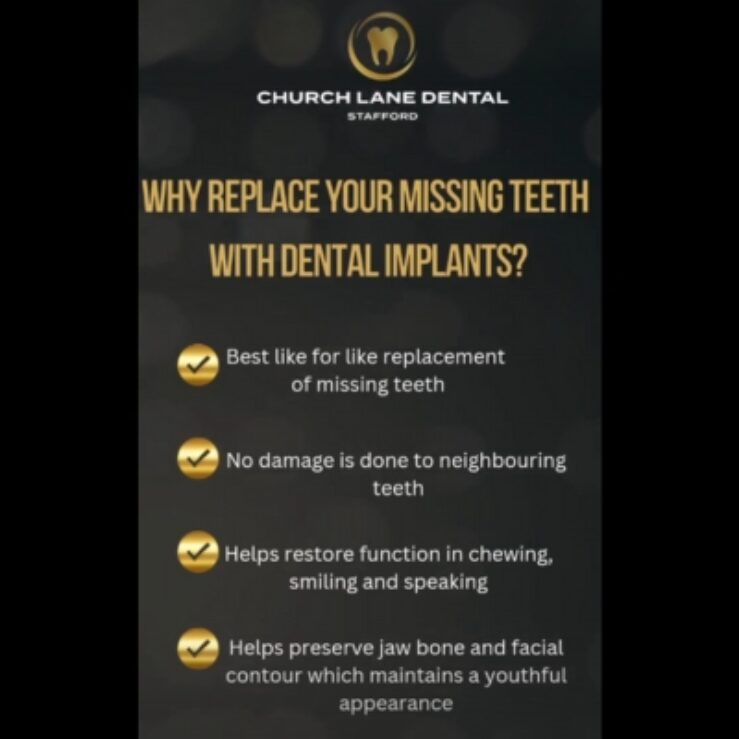
A dental implant is designed to give you a stable, natural-looking tooth that lets you smile, speak and eat with confidence. Feeling nervous is completely understandable, but pain should be controlled during treatment and short-lived afterwards. The next helpful step is a personal assessment, where your dentist can explain exactly what your treatment is likely to feel like and put the right comfort measures in place from the start.
Back to blog
Quickly match your needs with the right dental treatment using our simple treatment finder.
Have questions or ready to book? Reach out, and our team will guide you every step of the way.


Follow us on Instagram for real patient transformations, behind the scenes updates and the latest offers. It’s the easiest way to stay connected and inspired on your smile journey.
EXPLORE